
Tracking Hardware
Geotab GO9
The standard plug-and-play GPS tracking device for most light and medium-duty vehicles.
Updated August 1, 2026
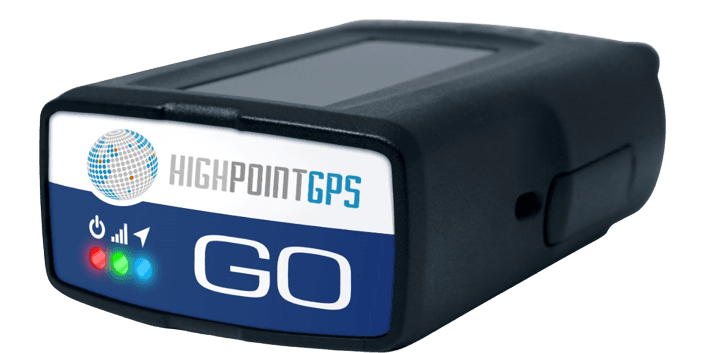
The GO9 is Geotab's core telematics device: a 32-bit processor with more memory and a built-in gyroscope, plugging directly into a vehicle's OBD-II or 9-pin diagnostic port. It captures location, speed, trip data, engine diagnostics, and harsh-event data, and supports Geotab's IOX expansion ecosystem for cameras and sensors.
Specs
- Install
- Plug-and-play OBD-II or 9-pin harness, no antennas
- Processor
- 32-bit with onboard gyroscope
- Positioning
- GNSS module for improved signal in dense/underground areas
- Expansion
- IOX port for cameras and third-party accessories
- Security
- Encrypted, unique device ID
- No OBD-II port
- 3-wire tracking option for older or heavy-duty vehicles
Highlights
- Fastest, simplest install for most fleets
- 3-wire tracking option for vehicles without a standard OBD-II port
- Detects harsh events and reconstructs collisions with forensic data
- Engine idling and fault-code data straight from the vehicle
- Expandable with IOX-connected cameras and sensors
What Installation Actually Involves
The GO9's main selling point isn't a feature on a spec sheet, it's how little disruption installing it causes. For most light and medium-duty vehicles with a standard OBD-II or 9-pin diagnostic port, the device plugs directly in with no antennas to mount and no wiring to run, which means a technician can typically install an entire fleet's worth of devices in a single visit rather than scheduling extended downtime per vehicle.
That plug-and-play design also matters for fleets that rotate or lease vehicles. A device that doesn't require permanent modification to install is just as easy to remove and reinstall in a replacement vehicle, which keeps tracking continuity intact through normal fleet turnover instead of treating every vehicle swap as a new installation project.
When the 3-Wire Option Makes More Sense
Not every vehicle in a mixed fleet has a standard OBD-II port. Older vehicles, and many heavy-duty trucks and off-road equipment, either lack one entirely or use a different diagnostic standard the GO9's default harness isn't built for. The 3-wire tracking option exists specifically for that gap, delivering the same location and trip data through a hardwired connection instead of a diagnostic port.
Choosing between the two isn't really a preference decision, it's determined by what the vehicle actually has available. High Point GPS checks port compatibility against your specific fleet mix before shipping hardware, so a fleet with a handful of older vehicles alongside newer ones typically ends up running both installation types side by side rather than forcing one approach across everything.
Frequently asked questions
Will the GO9 work in my vehicle?
It supports most light and medium-duty vehicles with a standard OBD-II or 9-pin port. High Point GPS confirms compatibility for your specific fleet mix before shipping hardware.
What if my vehicle doesn't have an OBD-II port?
Older and heavy-duty vehicles without a standard OBD-II port can use a 3-wire tracking harness instead, which still delivers the same reliable location and trip data through MyGeotab.
Does the GO9 keep reporting if the vehicle is turned off?
The device draws power from the vehicle and includes a backup capacitor that keeps it reporting for a period after the engine is turned off, so a brief power interruption doesn't create a gap in your trip data.
Get a free quote
What are you looking for?