
Compliance
Compliance: ELD, DVIR & IFTA
ELD, DVIR and IFTA compliance for fleets in Canada and the US: electronic logs, digital inspections and automated fuel-tax reports on one platform.
Updated August 1, 2026
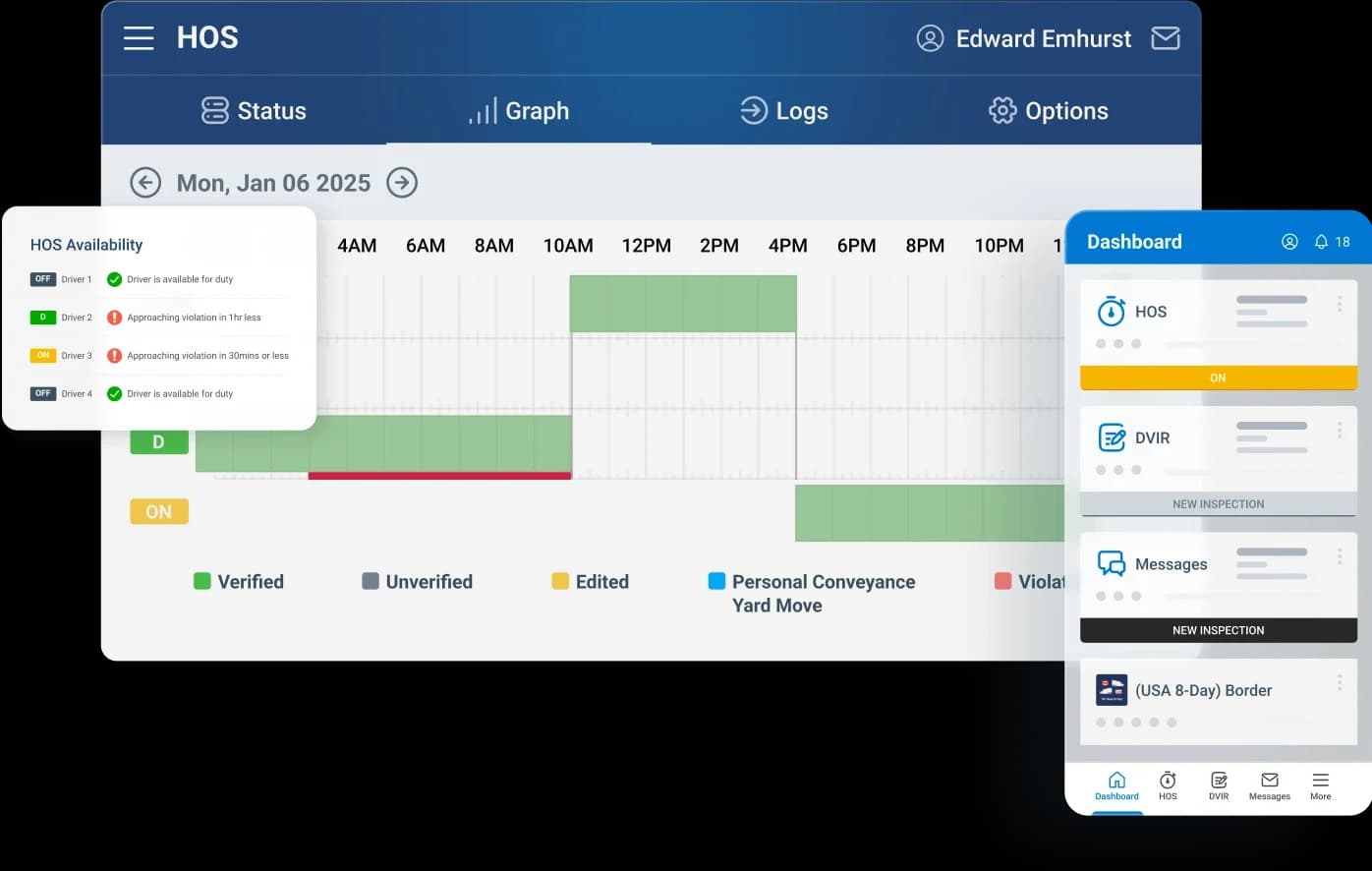
This solution is for fleets that have to meet ELD, DVIR and IFTA rules in Canada, the US or both, and want all three handled on the same platform as their tracking. Compliance is where many fleets feel the most pain, because the rules differ by vehicle class, province and state. The ELD on the High Point GPS platform is registered with FMCSA in the US and certified by an accredited body in Canada. Electronic DVIR replaces paper pre- and post-trip inspections, so defects get flagged and signed off electronically instead of on a form that never makes it back to the shop. IFTA reporting calculates mileage and fuel tax by jurisdiction, so quarterly filing stops being a spreadsheet project.
What's included
- ELD logging built for both the FMCSA (US) rule and the Canadian ELD mandate
- Electronic DVIR: pre- and post-trip inspections, defect flagging and mechanic sign-off
- IFTA mileage and fuel-tax calculations by state and province
- Audit-ready records in place of paper logs and spreadsheets
- Violation alerts that reach you before an audit does
How does ELD logging work day to day?
The ELD reads engine data from the GPS tracking device and records driving time on its own, replacing the paper logbook drivers used to fill out by hand. Drivers still mark duty-status changes, such as going on duty before a trip, but a driving-time record tied to the engine is much harder to falsify than a paper log or a basic e-log app. That is the purpose of the ELD rules in both countries. In the US, the device is on FMCSA's registered list, and that matters at the roadside: a driver using a device that is not registered is treated as having no ELD at all. In Canada, an ELD must be certified by an accredited body and appear on Transport Canada's list, where the platform's ELD has an active entry. Transport Canada's List of electronic logging devices shows each device an accredited body has certified for use in Canada: search it by vendor, certification number or ELD identifier and confirm the status reads certified, not revoked.
How does electronic DVIR change vehicle inspections?
A Driver Vehicle Inspection Report (DVIR) is the driver's written record of a vehicle inspection. In the US, a driver files one at the end of the day when they find a defect that could affect safe operation, and the next driver reviews it before driving. In Canada, a trip inspection with a report is required every 24 hours, defect or not. Done electronically, a flagged defect shows up in the High Point GPS platform right away and goes to whoever manages maintenance, instead of sitting on a paper form in the cab until someone finds it. Carriers must repair anything safety-related before the vehicle goes back on the road and certify that repair, and an electronic workflow keeps the certification trail auditable and hard to lose.
How does automated IFTA reporting work?
IFTA (the International Fuel Tax Agreement) requires a quarterly report of miles driven and fuel bought in each jurisdiction. Rebuilding that by hand from odometer readings and fuel receipts is slow and invites errors. The platform already logs when each vehicle crosses a jurisdiction boundary, so the mileage half of the report becomes a query against real trip data. For many fleets, this is one of the biggest time savers once compliance moves onto the same platform as tracking.
Why run ELD, DVIR and IFTA on one platform?
ELD, DVIR and IFTA are separate regulatory requirements, but all three rely on the same data: where a vehicle was, when, and what its engine was doing. Running them on one GPS tracking device and one High Point GPS platform login puts compliance issues next to the operational data your dispatch and safety teams check every day. An HOS violation risk, an open DVIR defect or a jurisdiction with unusually high mileage shows up there, instead of in a separate system nobody opens until an audit forces the issue.
Frequently asked questions
Does one ELD work for fleets running in both Canada and the US?
Yes. The ELD on the High Point GPS platform is registered with FMCSA for the US rule and certified for Canada's ELD mandate. For cross-border fleets, that means one ELD covers runs on both sides of the border, so you don't have to buy, train drivers on and maintain two separate logging systems.
What is DVIR and why does it matter?
A DVIR (Driver Vehicle Inspection Report) is the driver's inspection record, required in the US when a defect is found. Canada requires a trip inspection report every 24 hours. Done electronically, a defect gets flagged, sent to the shop and signed off with a timestamp. Unlike a paper form, the record can't get lost or backdated, and it traces the driver's report to the certified repair.
How does automated IFTA reporting work?
The platform tracks mileage by jurisdiction as your vehicles drive, and fuel purchases come in from your fuel cards or from receipts drivers capture. At the end of the quarter, the IFTA fuel-tax report comes from that real trip data, so nobody has to rebuild it from fuel receipts and odometer readings. Because the platform logs each jurisdiction crossing, the mileage side of the report is already done.
Related hardware
Related guides
Get a free quote
- Over 500 fleets
- Since 2013
- 4.9 on Google (19 reviews)
What are you looking for?
Prefer to talk?Call 1-800-613-6323[email protected]