
GPS Fleet Tracking & Telematics
GPS Fleet Tracking for Small Business: What a 3 to 20 Vehicle Fleet Needs
GPS fleet tracking for small business means live location, trip history, driver behaviour and maintenance alerts. Hardware, plan and add-ons set the cost.
What does a small fleet need from GPS fleet tracking?
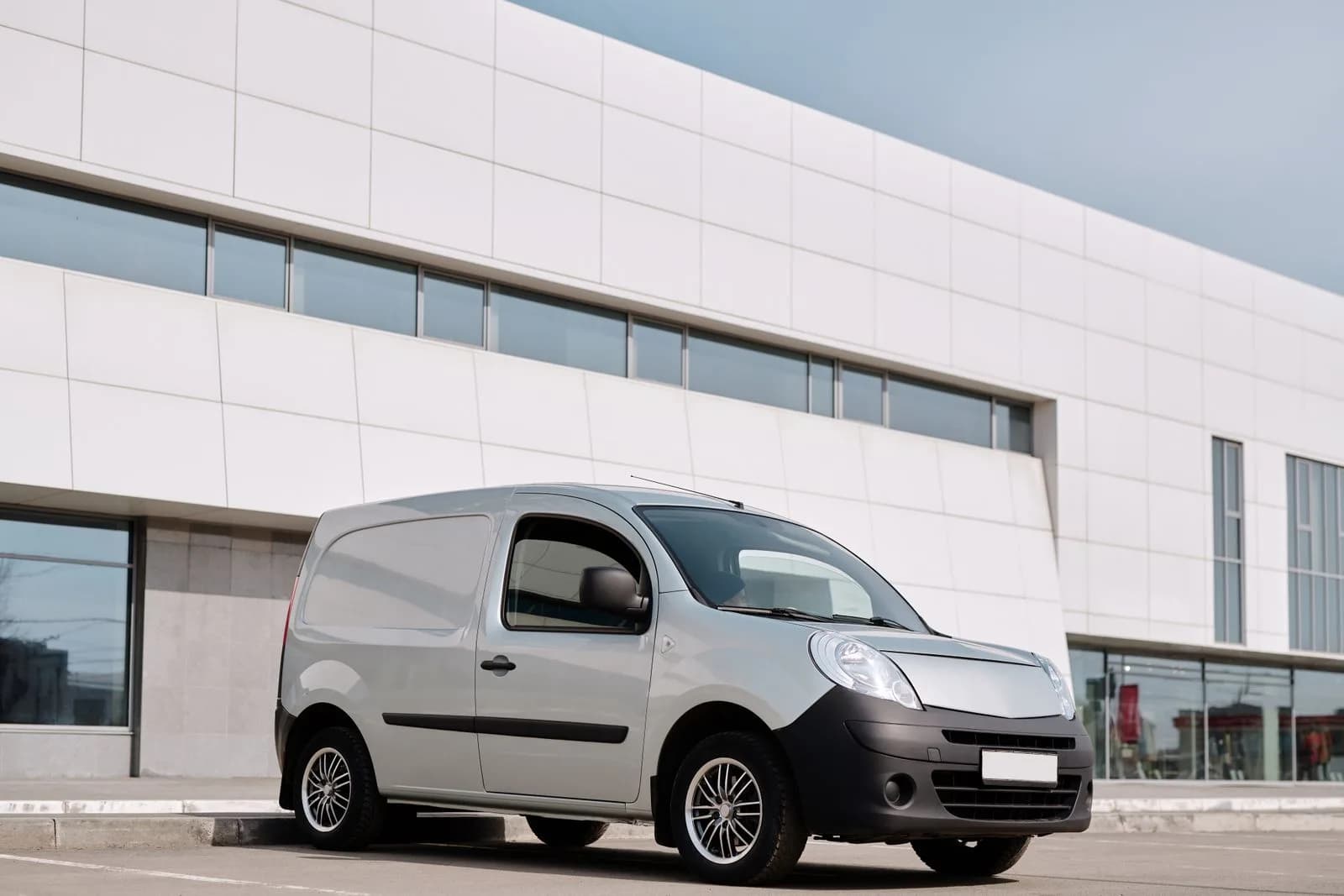
A 3 to 20 vehicle fleet needs the core of GPS fleet tracking and almost none of the enterprise overhead built for hundreds of trucks. For a small business that core comes down to four things: live location so dispatch knows where everyone is, trip history so you can answer a customer or check a timesheet, driver behaviour data (speeding, harsh braking, idling) that shows safety problems and wasted fuel, and maintenance alerts tied to engine data so you don't lose a vehicle to a missed service. Those four cover most of the value. Anything beyond them is a nice-to-have you can grow into.
Small businesses tend to buy too little or too much. Too little is a consumer tracker with no real reporting. Too much is an enterprise platform priced and configured for a fleet ten times your size. The right fit is the same platform the big fleets run, scoped to the handful of reports and alerts an owner-operator or office manager will open.
Which three things should you pin down before signing?
Get three specifics in writing before you sign. First, what the plan includes: does it cover the software, cellular data and support, or are those billed separately? Second, hardware and installation. Is the device free with the plan or bought upfront, and can you connect it yourself at the diagnostic port (High Point GPS uses a T-harness, with no wires cut, and always recommends a professional installer), or does the vendor require a paid professional install? Third, contract length, because month-to-month versus a multi-year term changes your risk and, usually, your quote.
Together, those three answers show the true cost of the system. A low headline price that hides hardware or installation costs is no bargain. Ask each vendor for an itemized quote over the full term and compare quotes on everything they include, not on the number in the ad.
Contract length and hardware ownership
Contract terms weigh more on a small fleet than on a large one. You have less bargaining power, and less tolerance for being locked into a tool that doesn't fit. A short or month-to-month agreement costs a little more each month but lets you walk away if the platform is wrong for you. A longer term usually lowers the price per vehicle and can fold the hardware in: High Point GPS plans run on 3-year contracts with the equipment free. Neither choice is right by default, so make it on purpose instead of accepting whatever the standard paperwork says.
Also ask who owns the hardware when the term ends, and what happens when you add or remove a vehicle mid-contract. A growing business will add vans, and a good agreement turns that into a simple line change with no renegotiation. These questions are easy to ask upfront and awkward to raise once you've signed.
Start small, keep room to grow
Running a scoped-down version of the platform enterprise fleets use means you aren't boxed in later. When you grow from 8 vans to 25, or decide to add dash cams or ELD compliance, you keep the same system with more devices and a couple more modules switched on. Nothing gets ripped out and replaced. A throwaway consumer tracker bought because it looked cheaper often means running the whole evaluation again a year later.
The sensible path for a small business: start with the core four capabilities, get the plan, hardware, installation and contract terms in writing, and pick a platform that can carry you from a handful of vehicles to a real fleet without switching providers.
The three things, filled in
Below are the three things a small business should get in writing, for a fleet of eight vans, as High Point GPS sets them out on a quote. Each fleet is quoted on its own vehicles, add-ons and term.
| Item | How High Point GPS sets it out | What to check |
|---|---|---|
| What the plan includes | Software, cellular data, support; ELD and cameras listed as add-ons if needed | Nothing the fleet relies on is billed on a separate invoice later |
| Hardware and installation | A GPS tracking device per van, free on a 3-year plan; installation shown on the quote | Professional installer recommended; database built and dispatch trained |
| Contract length | 3 years, with vehicles added or removed by a one-line change | Hardware ownership and the exit clause stated |
| The full quote | Itemized for every vehicle over the whole term | What to compare against other quotes |
How does a small business get a quote?
Send us the number of vehicles, the make, model and year of each, and whether any need dash cams, ELD compliance or asset trackers. We will send an itemized quote with the device for each vehicle, the add-ons, installation and the plan length. Ask for your quote on our contact page at highpointgps.com/contact.
Frequently asked questions
What does a small business need from GPS fleet tracking?
A small business needs live location, trip history, driver behaviour data (speeding, harsh braking, idling) and maintenance alerts tied to engine data. That core set delivers most of the value for a 3 to 20 vehicle fleet without enterprise complexity, and you can add modules such as dash cams or ELD compliance later as the fleet grows.
How much does GPS fleet tracking cost per vehicle for a small fleet?
It depends on the hardware each vehicle needs, the plan, add-ons such as dash cams or ELD, installation and the contract length. High Point GPS does not publish prices: plans run on 3-year contracts with the equipment free, and each small fleet gets an itemized quote. Compare quotes on everything they include over the full term.
Is the tracking hardware included, and can I install it myself?
That depends on the vendor: some bundle the device into the plan, while others charge for it upfront. A fleet can connect a plug-in device at the diagnostic port itself through a T-harness, with no wires cut, but High Point GPS always recommends a professional installer. Confirm both points in writing before you sign anything.
Should a small fleet sign a long contract?
Only if the lower price outweighs the lost flexibility. Month-to-month costs more each month but lets you leave if the platform doesn't fit, while a longer term usually lowers the price per vehicle and can bundle hardware. Choose on purpose, and confirm what happens when you add or remove a vehicle mid-term.
Related solutions & products
Continue reading
- GPS Fleet Tracking & Management Software overview →
- Free Fleet Management Software: What You Get, and Where It Stops →
- Is There GPS Fleet Tracking With No Monthly Fee? →
- GNSS vs GPS: Why Modern Fleet Trackers Use More Than One Satellite System →
- Plug-In (OBD) vs Hardwired GPS Trackers: Which Install Fits Your Fleet →
- More in GPS Fleet Tracking & Telematics →
Get a free quote
- Over 500 fleets
- Since 2013
- 4.9 on Google (19 reviews)
What are you looking for?
Prefer to talk?Call 1-800-613-6323[email protected]