Resources
How GPS tracking and the Geotab platform work, and how to evaluate them against alternatives.

GPS Fleet Tracking & Telematics
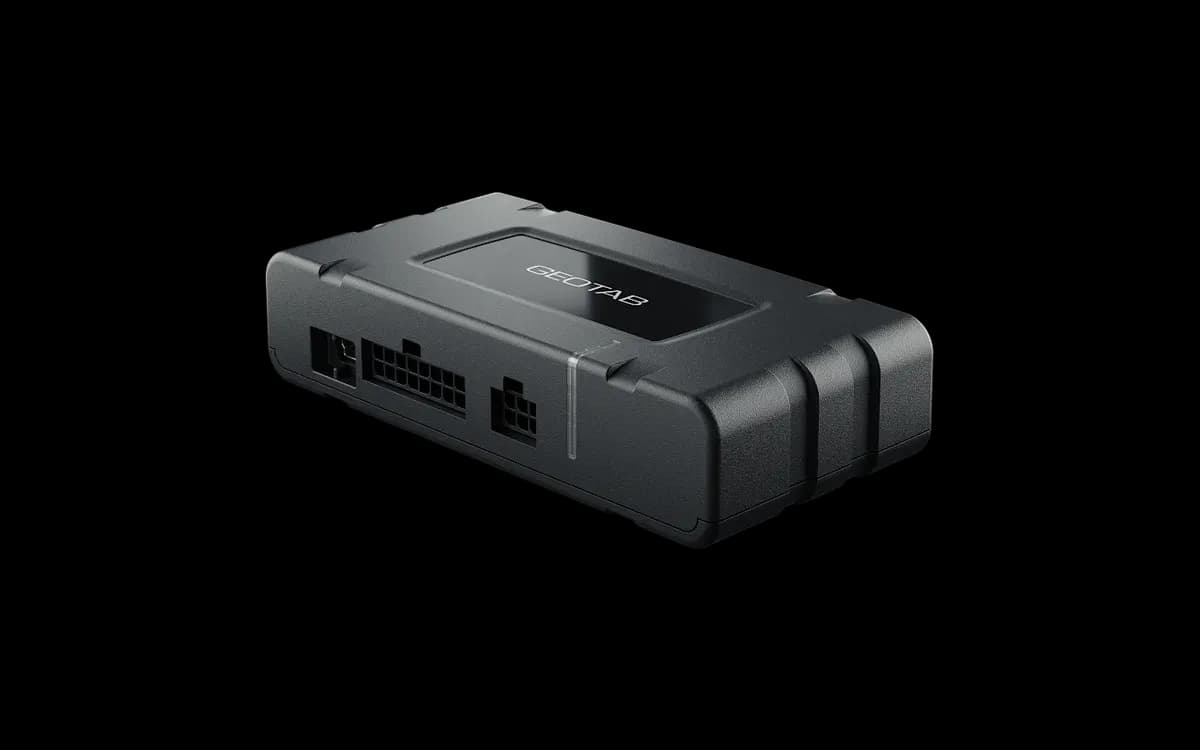
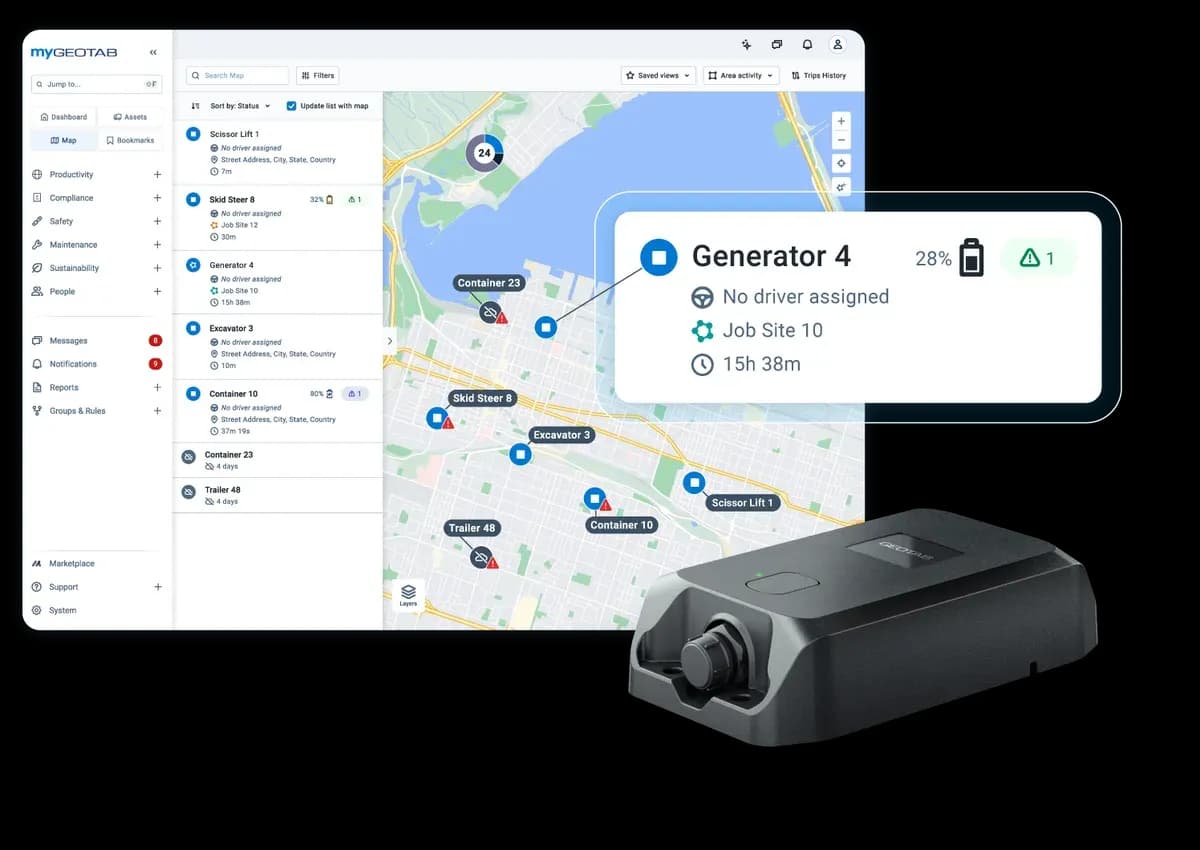
Geotab is the platform underneath High Point GPS's fleet tracking, video safety, and compliance tools. Here's how the pieces fit together.
Geotab and Samsara are both widely used, legitimate fleet telematics platforms. The real difference is the business model, not which one is 'better.'
Fleet tracking pricing isn't one number. Here's what actually goes into the cost, and the questions worth asking before comparing quotes.
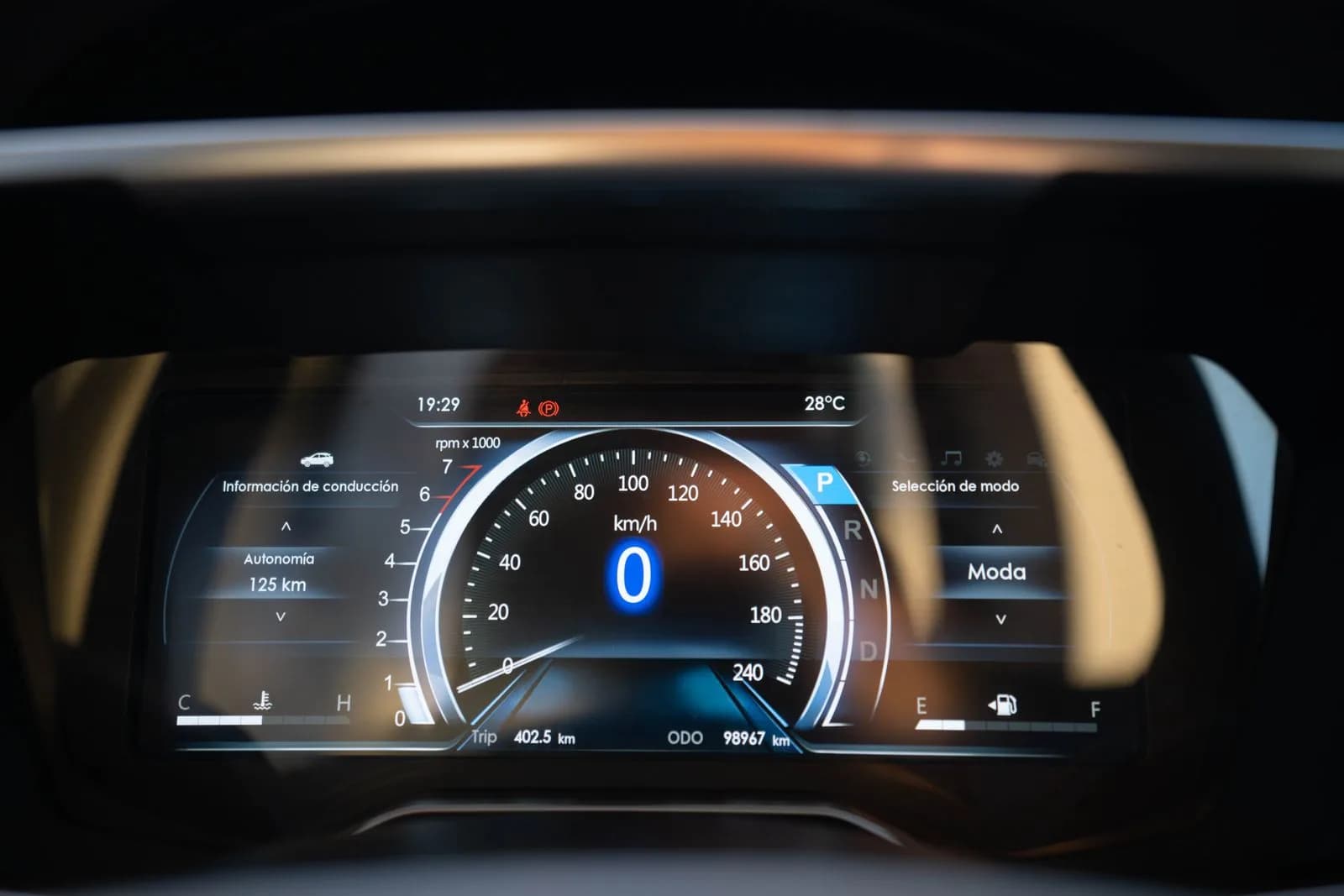
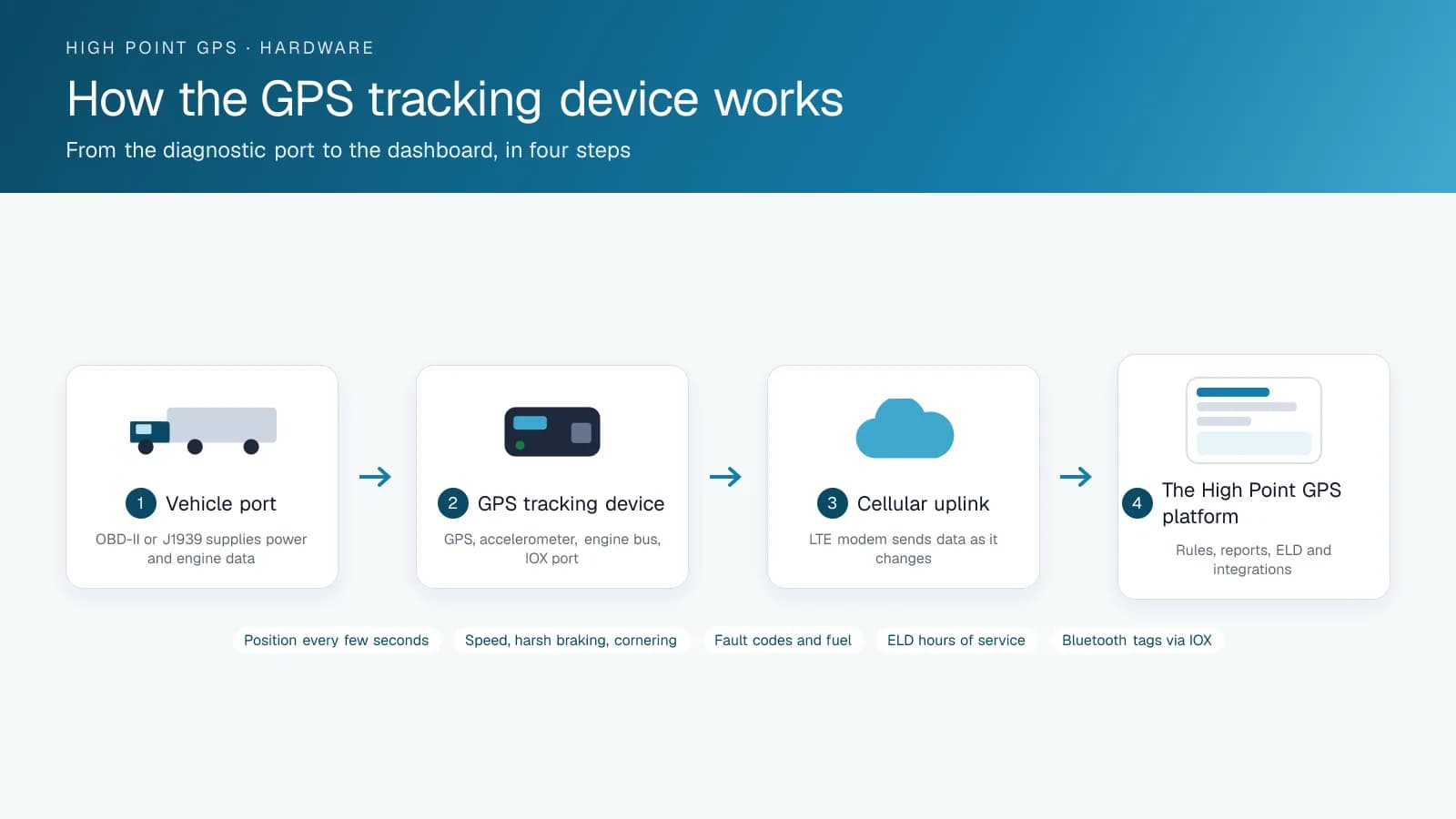
Telematics is bigger than GPS tracking, and the term gets used loosely. Here's what it means for a commercial fleet, from the truck to your screen.
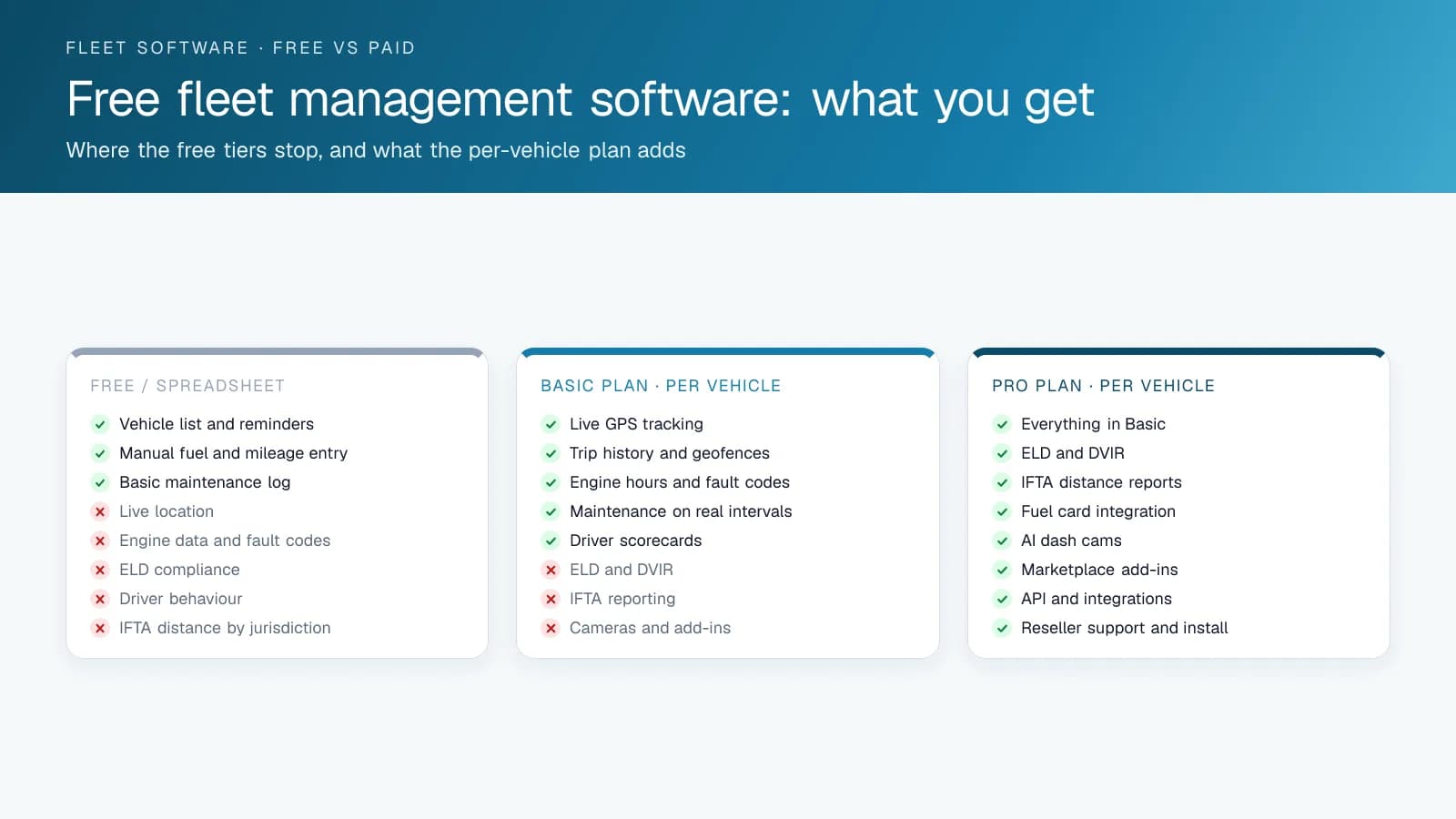
Fleet management software covers a lot more ground than a GPS dot on a map. Here's what the core modules actually do, and how to evaluate a platform.
The Geotab Marketplace is where most of the platform's flexibility lives. Here's what kinds of Add-Ins are in it, and how to evaluate one.
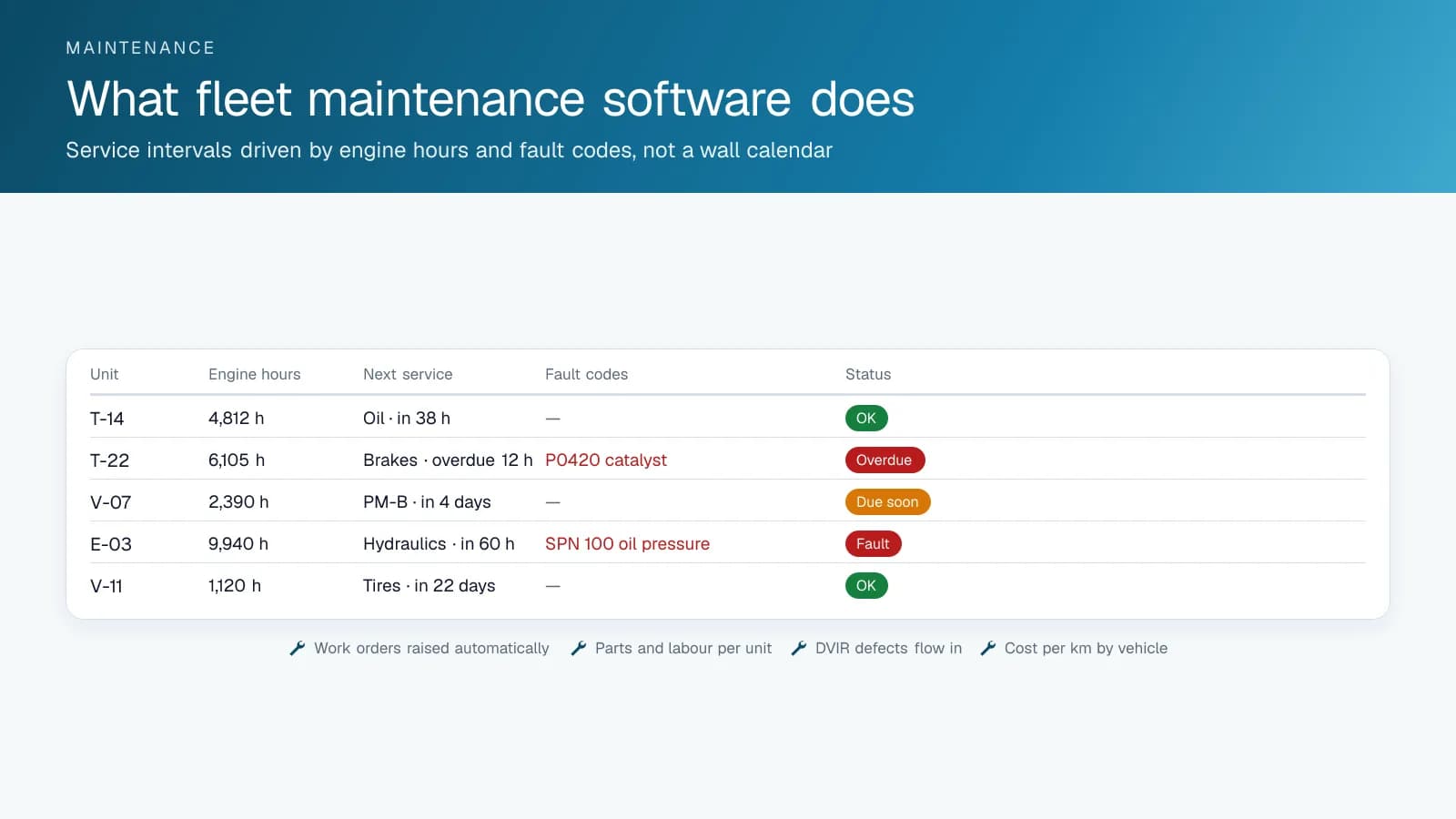
Two identical vehicles bought the same month can need different maintenance schedules. Here's why engine hours beat a calendar, and how to set it up.
The two terms get used interchangeably, but they answer different questions for different parts of a company. Here's how they differ and where they overlap.
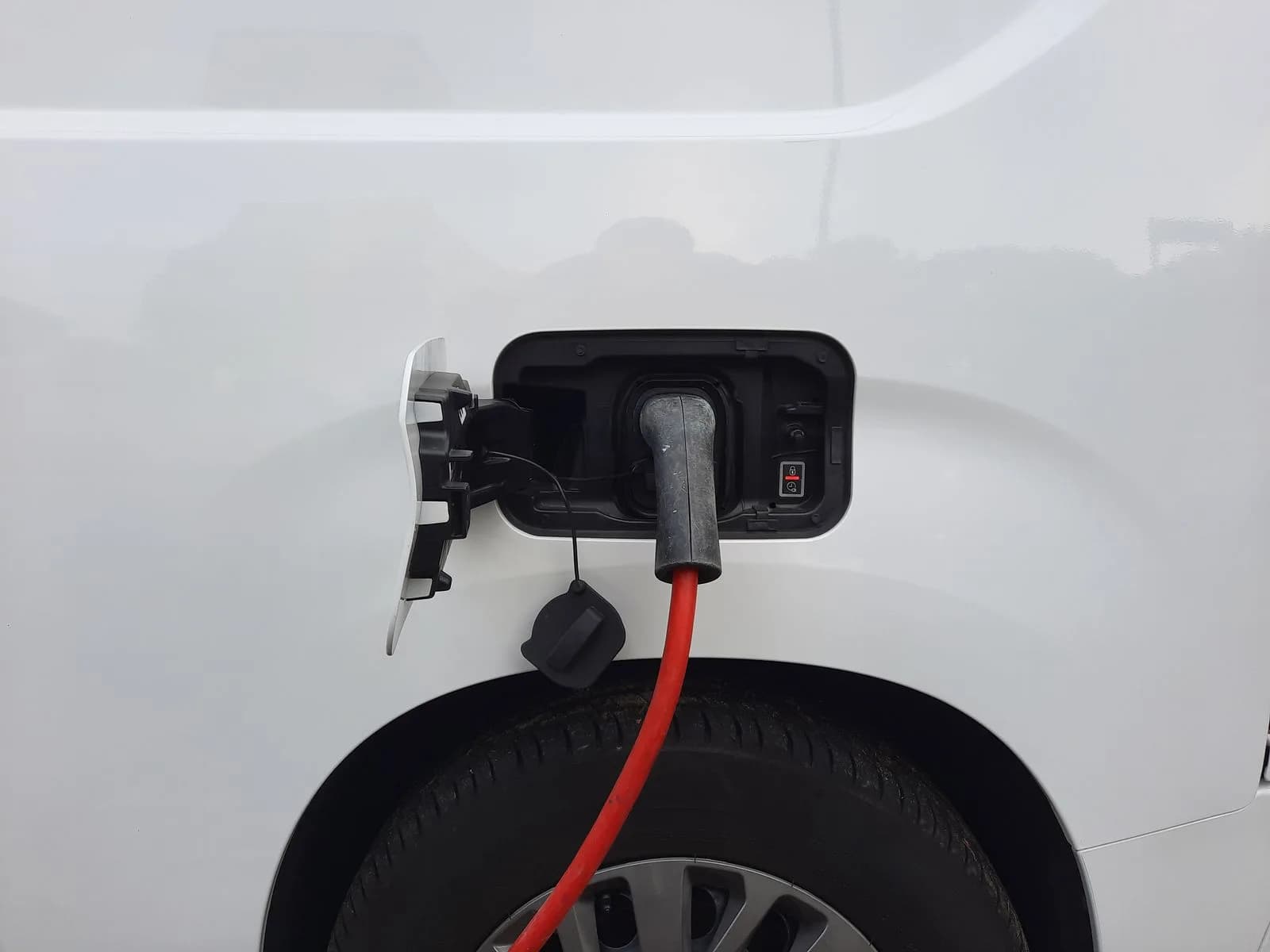
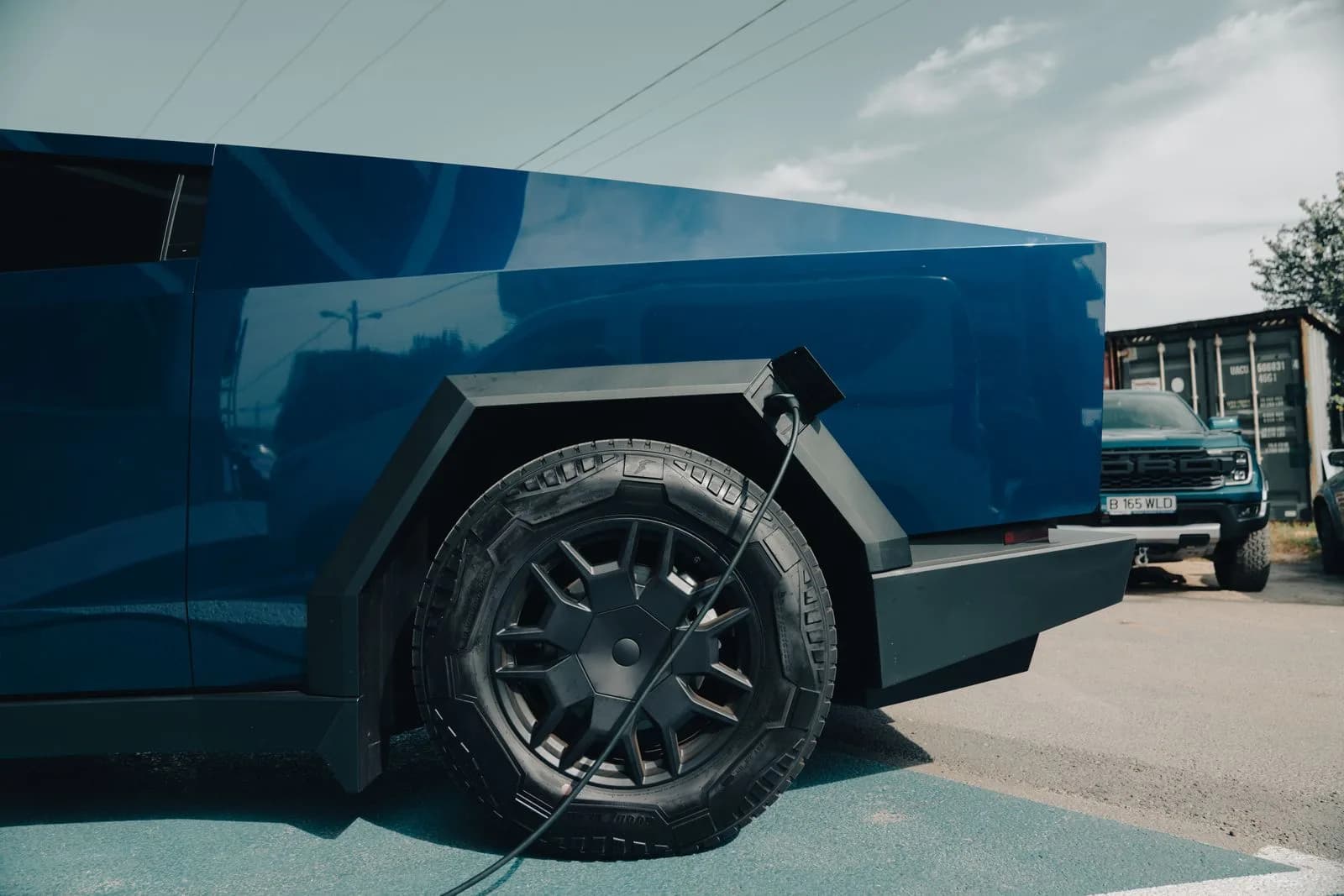
EV fleets need different telematics data than diesel fleets: charge state, battery health, and range-aware routing. Here is what actually matters.
AI fault-code analysis is starting to predict vehicle failures before they happen, not just schedule service. Here is how it actually works.
GPS spoofing and telematics breaches are both rising. Here is what actually puts fleet data at risk, and what to check before choosing a platform.
Agentic AI means software that takes action, not just shows a dashboard. Here is what that actually looks like today, and what is still marketing.
Verizon Connect and Geotab both offer legitimate fleet telematics. The real difference is platform architecture and business model, not features.
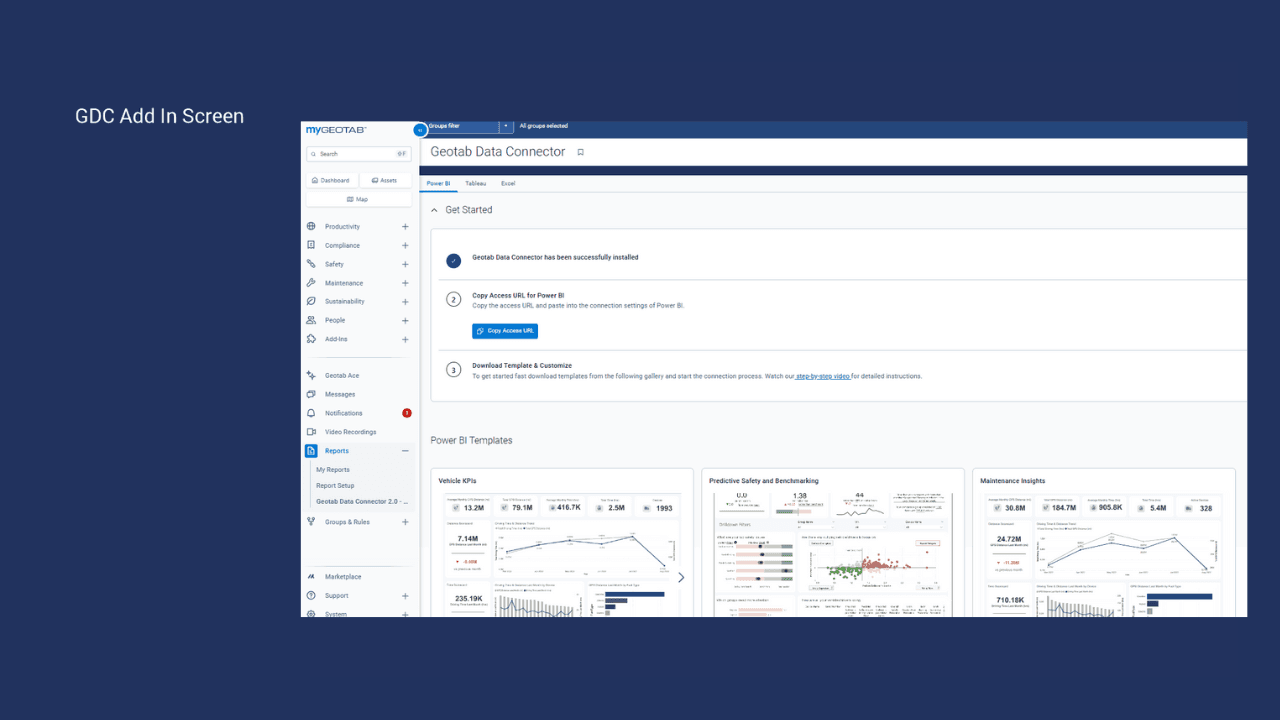
Geotab open SDK exposes real fleet data, trips, faults, EV status, and more, for custom integrations. Here is what the API actually covers.
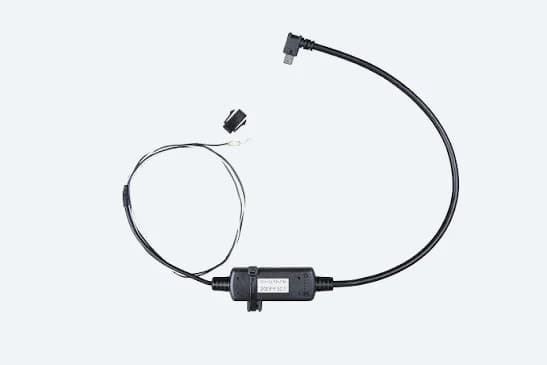

Most GO9 installs are plug-and-play with no wiring. Here is what actually happens during install, and when a different setup is needed.
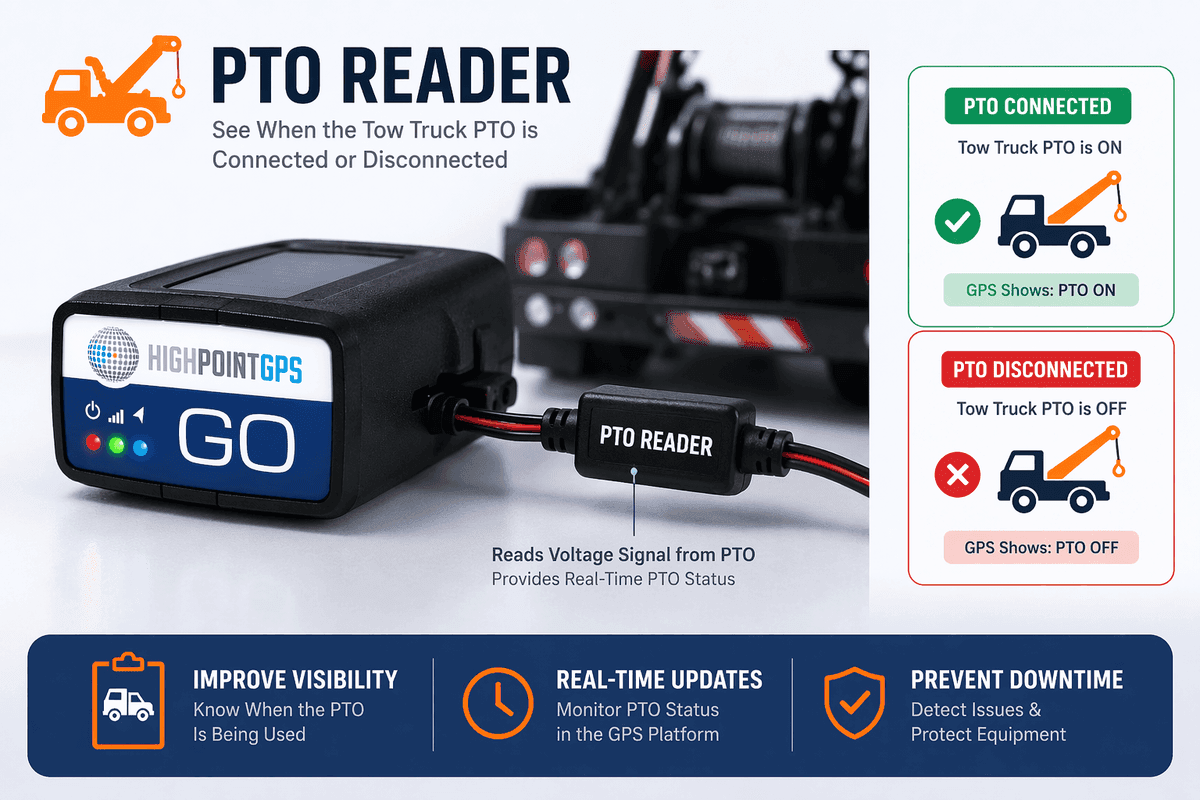
IOX is the expansion port on every GO device, the hardware that turns a tracker into a platform for cameras, sensors, and more.
A vendor-neutral checklist for evaluating fleet tracking software: hardware fit, compliance coverage, support, and what a demo should actually show.
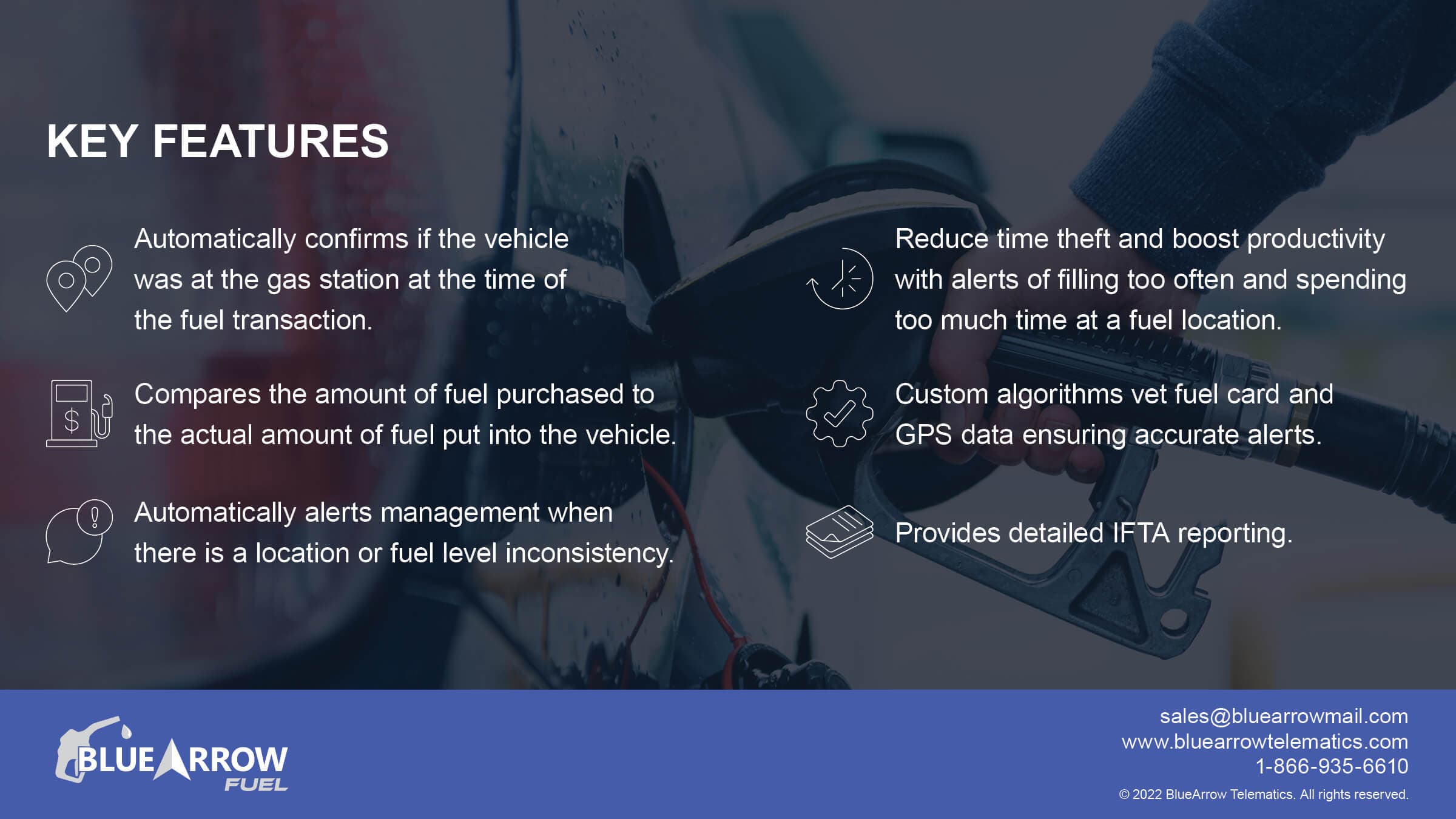
Linking fuel cards to GPS data catches fraud and waste that receipts alone miss. Here is how the verification actually happens.
As replacement cycles stretch out, fixed-interval maintenance is giving way to condition-based approaches. Here is what that shift looks like.
ATA projects a 60,000-driver shortage in 2026. The bigger issue is retention: turnover at large carriers runs 90 to 95 percent a year.
Geofencing draws a virtual boundary around a location and triggers an alert whenever a tracked vehicle enters or leaves it. Here's how it actually works.
In general, an employer can legally track a company-owned vehicle during work, because the company owns the asset. The lines that matter are personal use, after-hours tracking, and notice.
A small fleet needs the core telematics (live location, trip history, driver behavior, and maintenance alerts) without enterprise complexity. What to nail down is per-vehicle cost, included hardware and install, and contract length.
Not for real fleet-grade tracking. Live tracking needs a cellular connection and software, and both cost money every month. 'No monthly fee' usually means a consumer device or a fee hidden in the hardware or SIM.
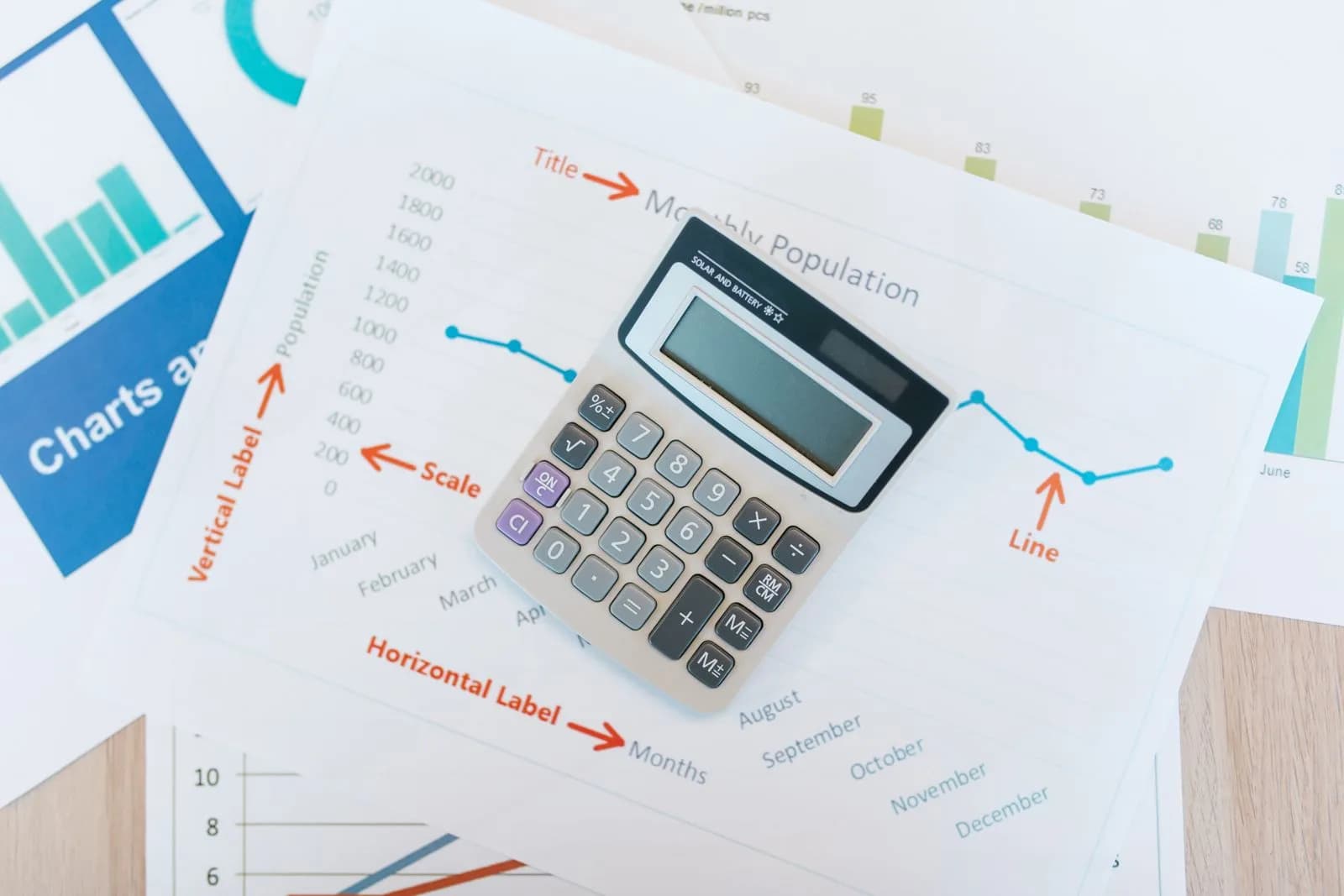
Cost per mile is your total operating cost divided by total miles driven over the same period. Add fixed costs and variable costs, then divide by fleet miles. Telematics supplies the mileage, fuel, and maintenance inputs.
They aren't competing options. GPS (a form of GNSS) figures out where a vehicle is; cellular is how that location gets back to your dashboard. Fleet-grade tracking needs both working together.
A preventive maintenance program is a repeating schedule of inspections and service triggered by engine hours, mileage, or time, whichever comes first, plus a DVIR-to-work-order workflow. Here is how to set one up.
The biggest fuel savings come from cutting idle time, coaching aggressive driving, routing more efficiently, and reconciling fuel-card purchases against actual vehicle data. Telematics gives you the numbers to act on all four.
A driver safety scorecard turns telematics events, speeding, harsh braking, hard cornering, into a comparable score per driver. Used transparently, it tells you exactly who to coach and on what, instead of guessing.
Before electrifying, look at total cost of ownership, match each route's real duty cycle against vehicle range, and plan charging. Telematics data from your current diesel fleet tells you which vehicles are actually good candidates.