
GPS Fleet Tracking & Telematics
GPS Tracking for Electric Fleet Vehicles: What It Shows
GPS tracking for electric fleet vehicles adds what diesel fleets never needed: state of charge, battery health and range-aware routing. Key reports.
How Is GPS Tracking for Electric Fleet Vehicles Different?
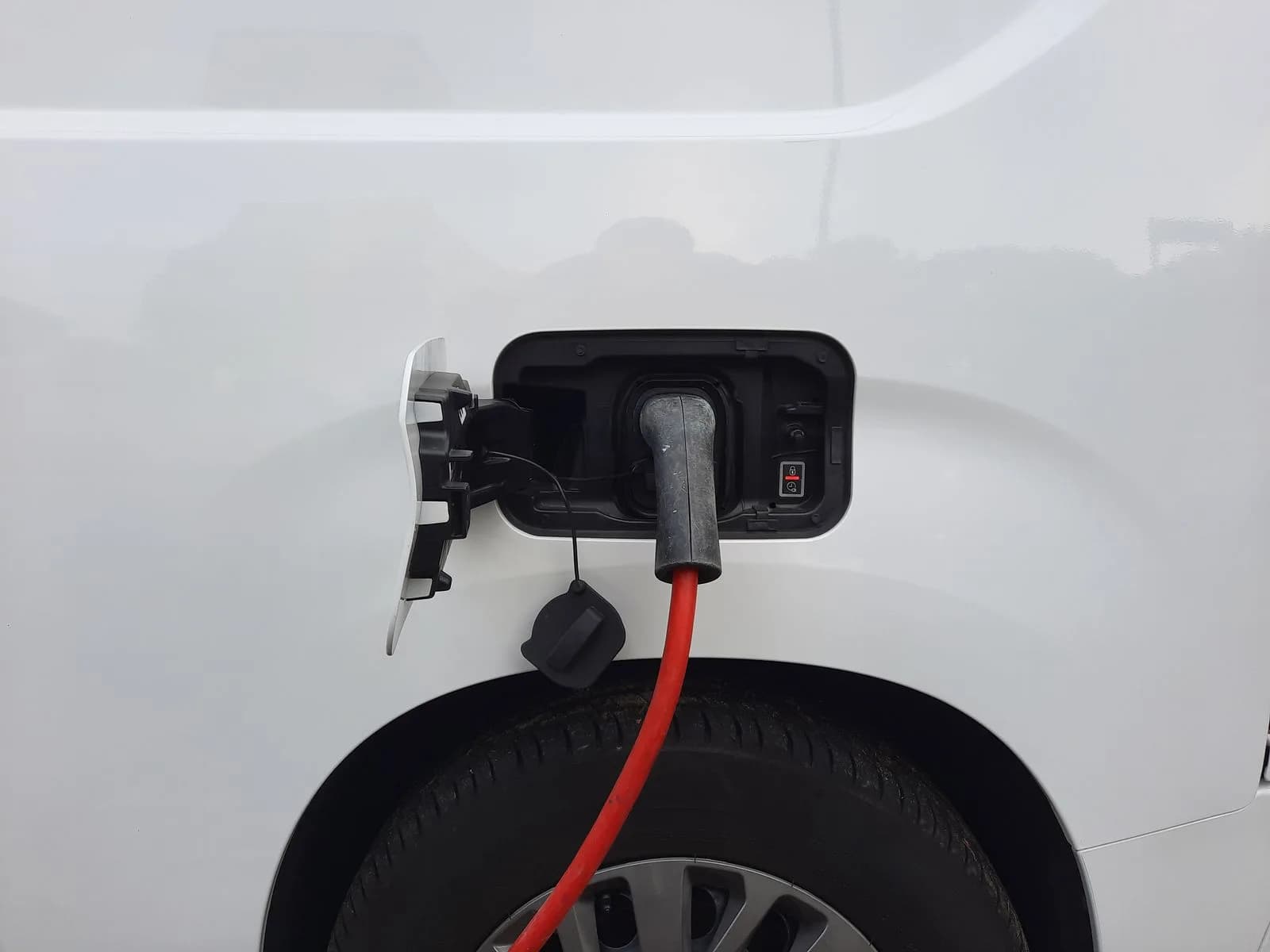
For EV fleet management, GPS tracking for electric fleet vehicles covers everything a diesel system does, plus state of charge, state of health and charging behaviour, which decide whether a vehicle can finish its route at all. A diesel truck's telematics data centres on location, fuel and engine diagnostics. An EV adds that extra layer, and running out of charge mid-route is a more disruptive failure than running low on fuel, because charging infrastructure is sparser and slower than the network of gas stations.
Unlike engine diagnostics on combustion vehicles, EV data has no single mandated telematics standard, so getting real state-of-charge and battery-health data out of an EV requires the platform to work directly with each manufacturer. The platform High Point GPS provides has that manufacturer-level integration for over 300 EV makes and models, covering real-time state of charge, state of health, and charging and driving energy data.
Which Vehicles Are Good EV Candidates?
Some routes and vehicles in a fleet are not ready for electrification today, and guessing wrong is expensive in both directions: you buy an EV that can't reliably cover its route, or you pass over a vehicle that would have worked fine. The platform's Electric Vehicle Suitability Assessment tackles this with the fleet's existing telematics data. It analyzes real driving patterns from the diesel or gas vehicles now running those routes and builds a personalized electrification recommendation based on range capability, charging availability and total cost of ownership.
A generic EV range chart relies on a manufacturer's ideal-conditions estimate, while the assessment is grounded in how your own vehicles are driven. A route that looks borderline on paper can sit comfortably within range once actual driving patterns become the basis for the decision.
How Fast Do EV Batteries Degrade?
Battery degradation is one of the most common concerns fleets raise before electrifying, and it makes sense to want real data on it instead of a manufacturer's marketing claim. The platform maker's published analysis of real-world data from over 22,700 electric vehicles across 21 makes and models found an average annual degradation rate of 2.3%. It also identified charging behaviour as the dominant factor in how quickly a battery ages, ahead of age or mileage alone.
That finding has a direct operational consequence. A fleet manager can influence how the fleet charges its EVs, especially how often drivers fast-charge, while nobody can change a vehicle's calendar age. Telematics that tracks charging patterns next to battery health lets you see that relationship on your own vehicles, and not only in an industry-wide study.
Which EV Fleet Management Reports Should a Fleet Run?
The reports that replace fuel and engine reports once a vehicle goes electric, and the decision each one supports.
| Report | What it shows | Decision it supports |
|---|---|---|
| State of charge by vehicle, live | Charge level and estimated range now | Which vehicle takes the next long job |
| Charging sessions | Where, when, how long, how much energy, fast or level 2 | Depot charging schedule; reducing fast-charge use |
| Energy per kilometre | kWh per 100 km by vehicle, route and season | Route assignment; winter range planning |
| State of health trend | Battery capacity against new, over months | Replacement timing; warranty claims |
| Plug-in compliance | Vehicles returned to the depot without plugging in | Driver coaching; overnight readiness |
| Suitability assessment | Which remaining diesel routes an EV could cover | The next purchase |
| Idle equivalent | Time stationary with climate control drawing power | Cabin pre-conditioning while plugged in |
Frequently asked questions
Does standard GPS fleet tracking work on electric vehicles?
Location and trip tracking work the same way on an EV as on any other vehicle. EV-specific data such as state of charge and battery health is different: the platform has to integrate directly with each vehicle manufacturer, because EVs don't follow one universal telematics data standard. Without that integration, you see where the vehicle is but not its charge.
How do you know which vehicles in a fleet are good candidates for electrification?
Run an Electric Vehicle Suitability Assessment. It analyzes the fleet's actual driving data, meaning the real routes and range needs of its current gas or diesel vehicles, instead of relying on manufacturer range estimates alone. The result is a personalized electrification recommendation based on range capability, charging availability and total cost of ownership.
How much do EV batteries degrade over time?
Real-world data from over 22,700 electric vehicles shows an average annual battery degradation rate of 2.3%. The same analysis identified charging behaviour as the dominant factor in how quickly a battery ages, ahead of age or mileage. That gives fleets a lever they control, since charging habits can change and calendar age cannot.
Can fast charging damage an EV fleet's batteries faster?
Charging behaviour, including how often vehicles fast-charge, has been identified as the dominant factor in battery degradation, more than vehicle age or total mileage alone. Because a fleet manager sets charging policy, tracking charging sessions next to state of health shows whether fast-charge use is wearing down your own batteries.
Related solutions & products
Related terms
Continue reading
- GPS Fleet Tracking & Management Software overview →
- Driver Safety Scorecard: How Driver Scoring Works for Fleets →
- Truck Driver Shortage 2026: Why Retention Matters More →
- The Questions Worth Asking a Fleet Tracking Vendor Before You Sign →
- Maintenance Strategy for Aging Fleets →
- More in GPS Fleet Tracking & Telematics →
Get a free quote
- Over 500 fleets
- Since 2013
- 4.9 on Google (19 reviews)
What are you looking for?
Prefer to talk?Call 1-800-613-6323[email protected]