Resources
Scheduling, routing, and dispatch software across field service, trades, and transport.
Dispatch & Routing
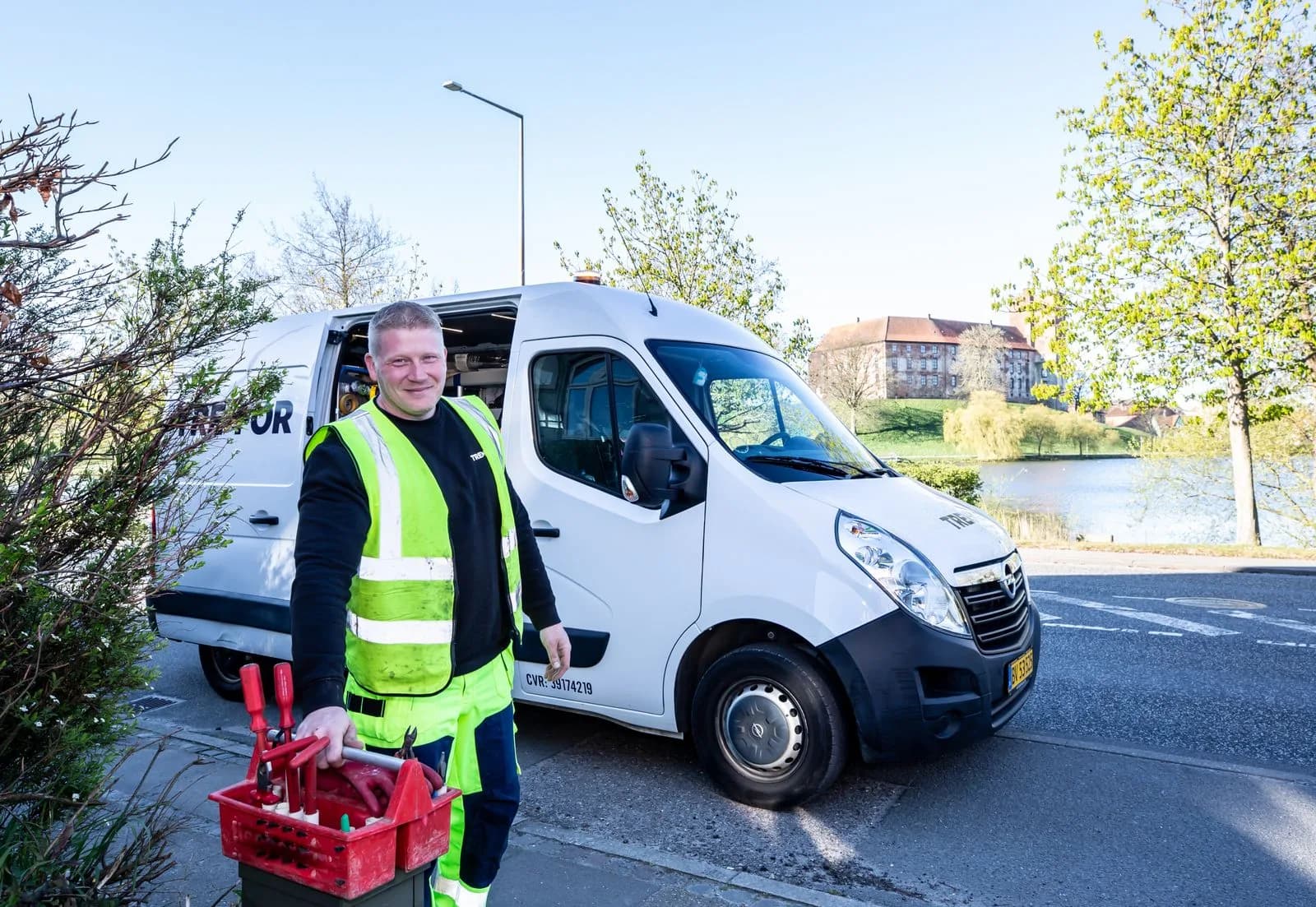
Trades dispatch means solving for appointment windows, skill-matching, and customer ETAs, not just vehicle location. Here's what to look for in a platform.
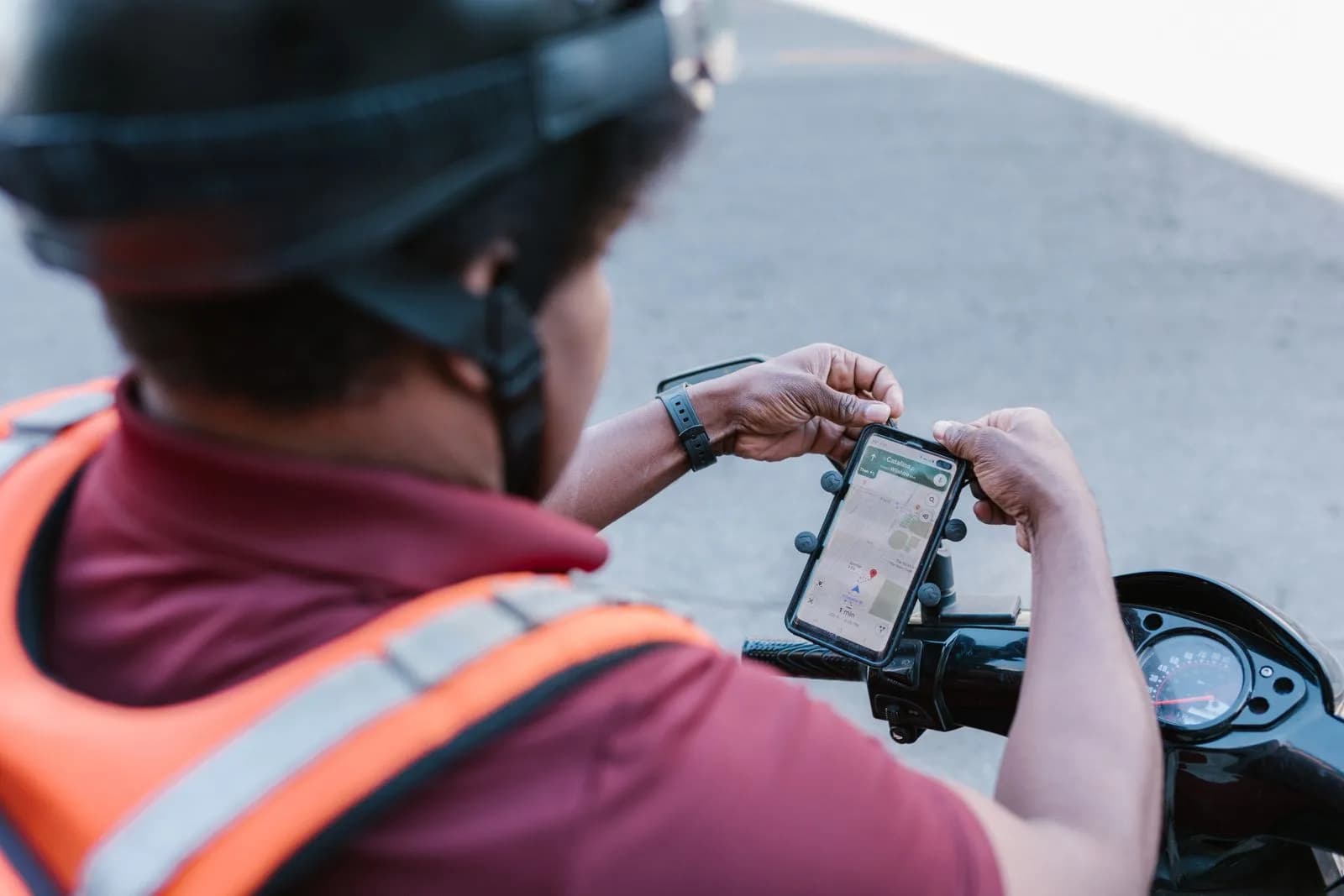
Route optimization is a different problem than turn-by-turn navigation. Here's what an optimization engine considers, and what makes it pay off.
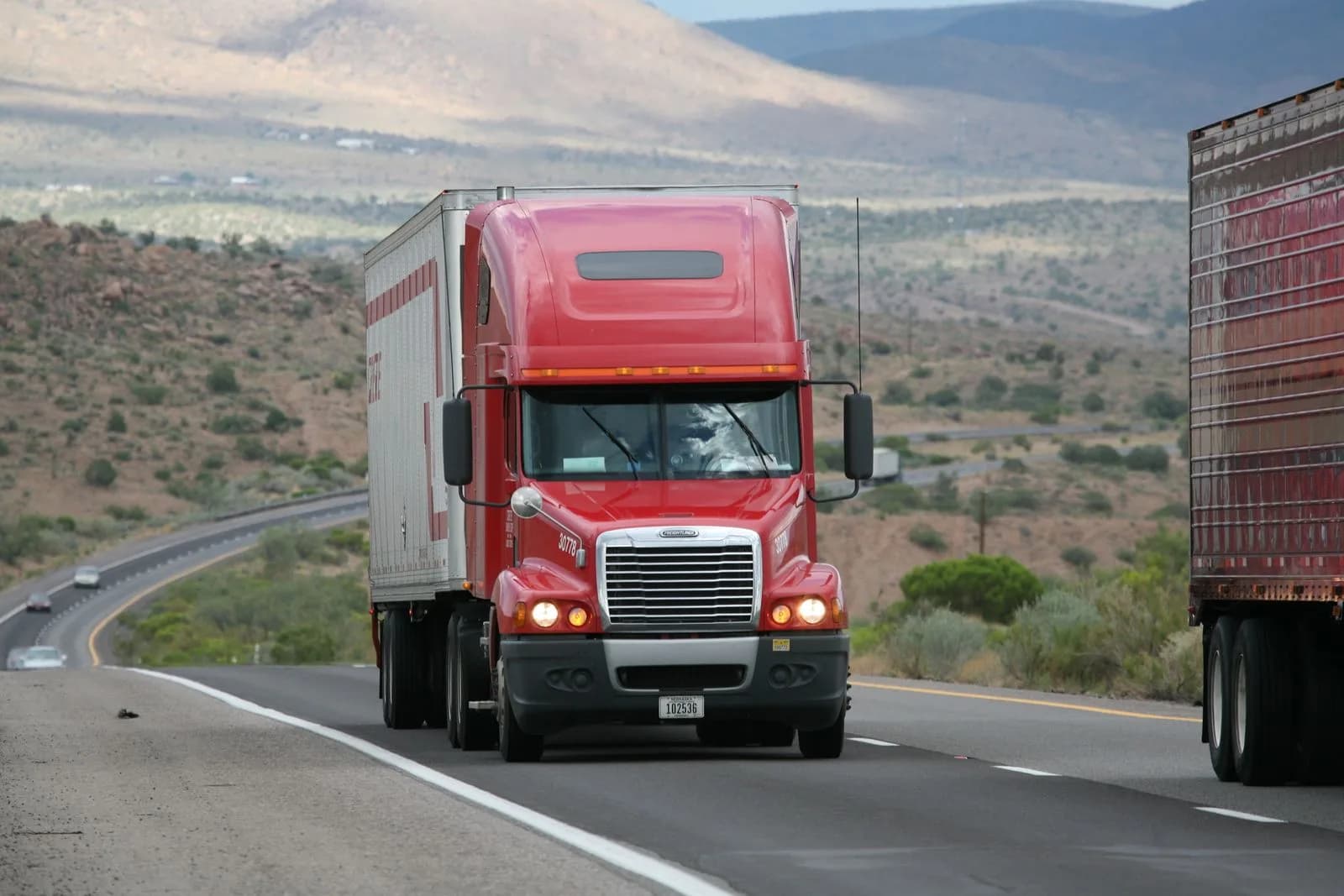
Freight dispatch means solving for load boards, broker communication, and hours-of-service limits, not just vehicle location.
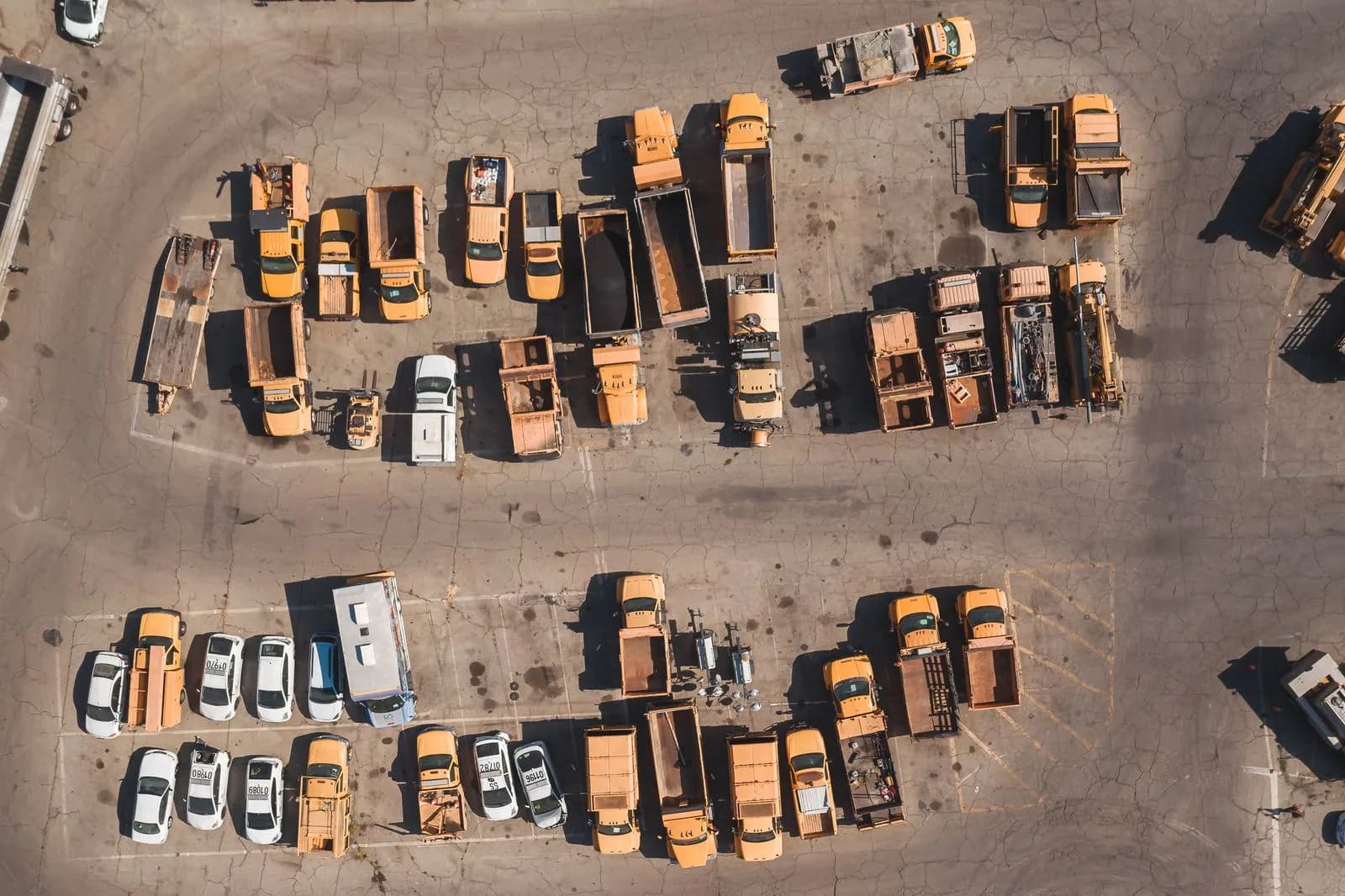
Municipal fleets answer to budget authorities and taxpayers, not just operations. Here is what that means for dispatch and fleet software.
Deadhead miles are the empty, non-revenue miles a vehicle drives between jobs. You cut them with better backhaul and job matching, tighter stop sequencing, and GPS data that shows where empty running actually happens.
A last-mile fleet is judged on one number: deliveries made inside the promised window. Fleet management for delivery is the set of tools that protect that number — live location for the customer and the dispatcher, stop-level history, route replanning, and proof of delivery. Here is how they fit together.
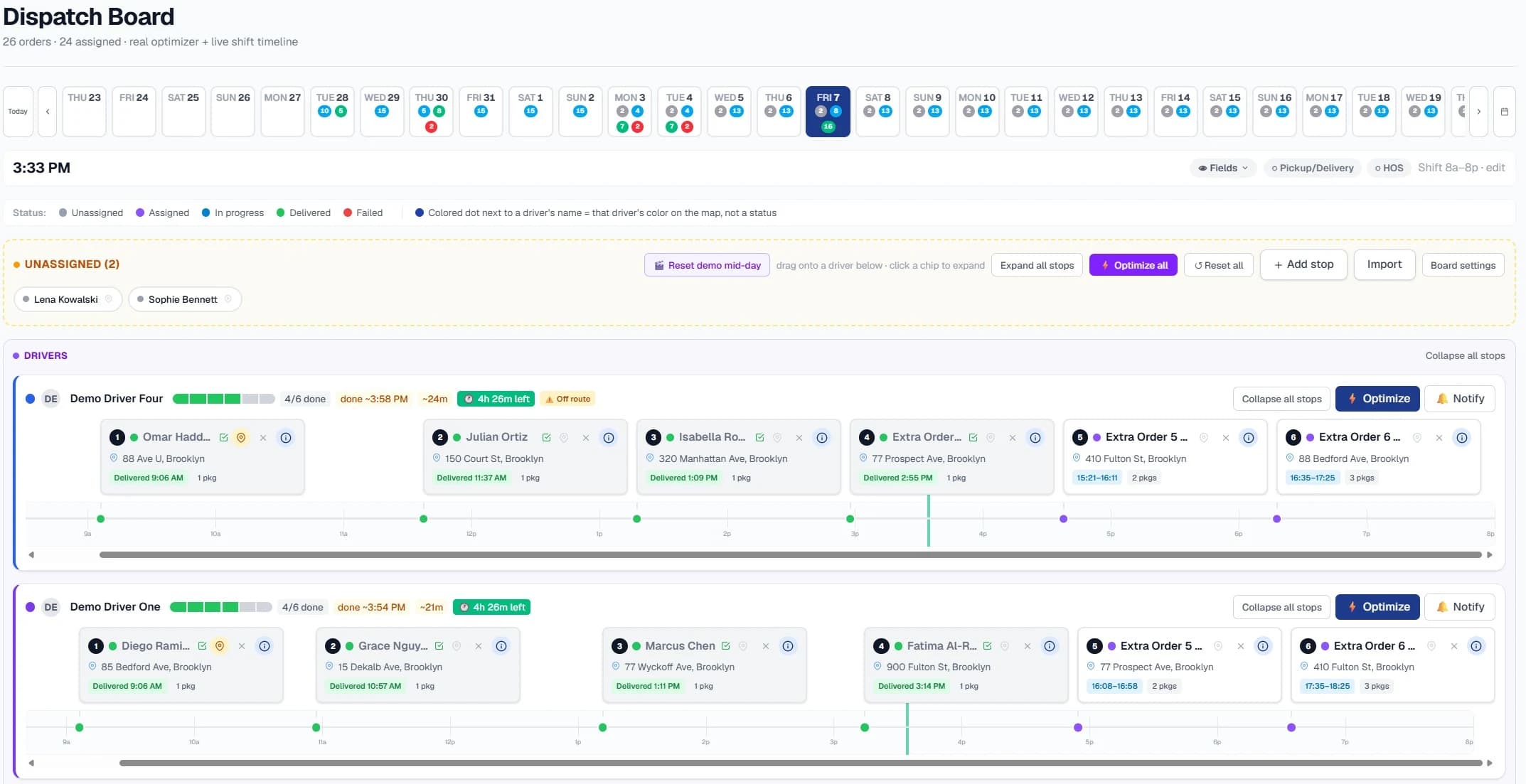
Dispatch software assigns work to vehicles and drivers, shows where everyone is, and keeps the plan current as the day changes. Here is what it does, how it connects to GPS tracking, and what separates a dispatch tool from a map with a phone number.
With three vans, dispatch is a group chat. With eight, it is a job. The signs that a small business has crossed that line, what dispatch software has to do for a small fleet specifically, and what it should not cost.
AI in dispatch means the software proposes the assignments and the routes, re-plans them as the day changes, and predicts arrival times from history rather than from a map's speed limits. What that actually does for a fleet, what it still cannot do, and how to tell the real thing from a marketing label.
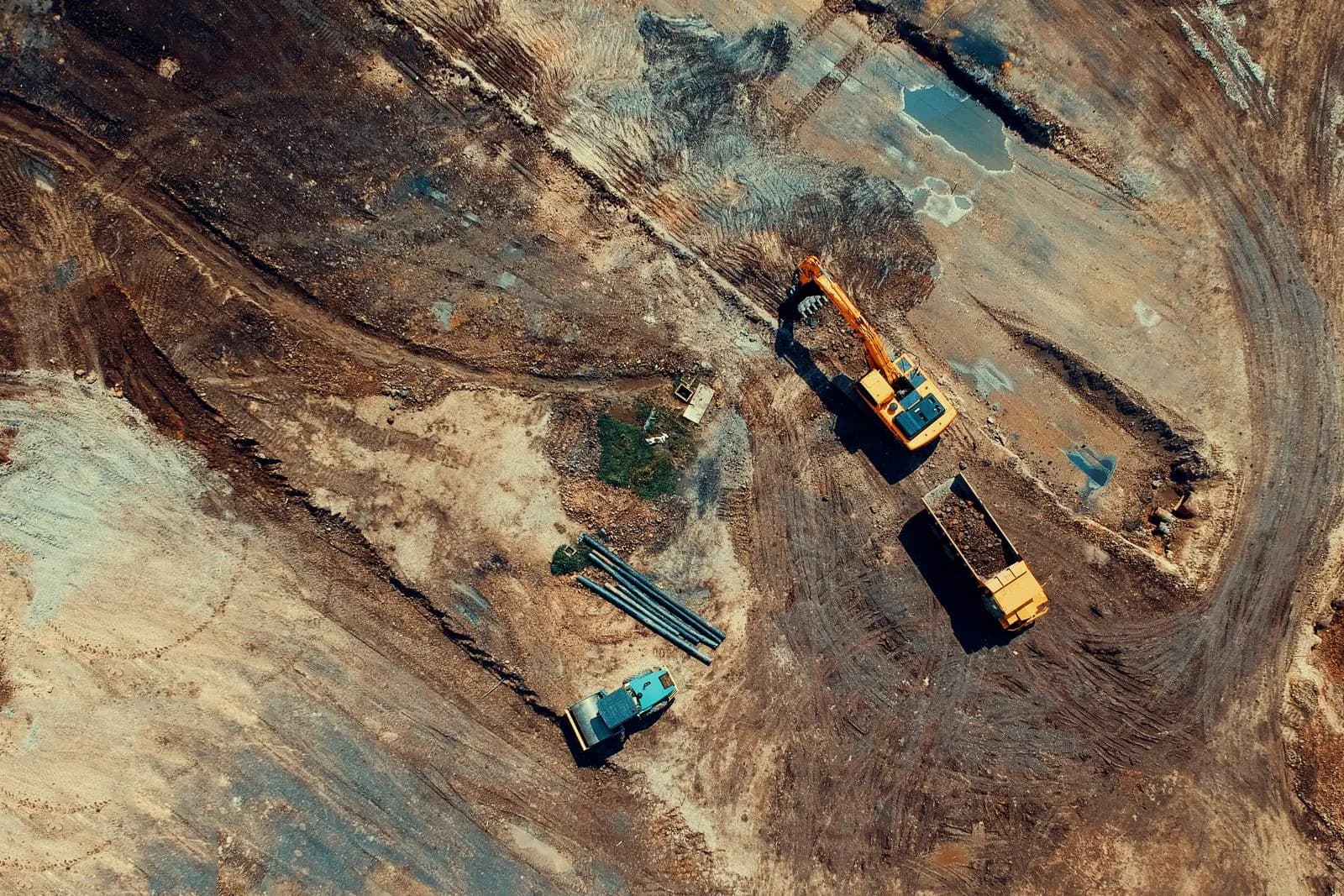
Construction dispatch moves crews, trucks and equipment between sites that change weekly, and concrete dispatch adds a clock: the load has a life. What dispatch software has to do differently for both, and how site geofences and equipment tracking fit in.
Towing dispatch is measured in minutes: the caller is stranded, the motor club has a service-level clock running, and the nearest available truck wins. What dispatch software has to do for a tow operator — nearest-truck assignment, honest ETAs, job status, and the record that gets the invoice paid.
Free dispatch tools exist, and for a one- or two-truck operation one may be enough. Here is what they typically include, what they leave out, where the costs reappear, and the point at which paying for dispatch on a telematics platform becomes the cheaper option.
A patrol company sells proof: that the site was visited, at the agreed times, by an identified officer. Dispatch software for security has to produce that proof automatically, route mobile patrols efficiently, and handle alarm-response calls in minutes. Here is what that takes.
A van with sixty stops has more possible orders than there are atoms in the universe. Route optimization software picks a good one in seconds, respects the time windows, balances the routes, and re-plans when the day changes. How it works for last-mile specifically, and what to demand of it.
Route optimization plans the day; GPS tracking shows how the day is going. Integrated, each feeds the other: the plan goes to the driver, the vehicle's position checks the plan, and the history improves tomorrow's plan. What the integration actually does, how it is built, and what to ask about it.
Route optimization takes a list of stops, the vehicles available and the rules each stop imposes, and finds the sequence and assignment that costs the least. Here's how the software actually does it — the problem it is solving, the constraints that make it hard, the heuristics that make it fast — with an example of forty stops across three vans.
Waste collection routes are usually inherited, not designed, and they drift as a city grows. Here's how route optimization applies to refuse and recycling — the arc-routing problem that makes it different from delivery, the data a fleet needs before it starts, and what a rebalanced route set typically returns in trucks, hours and fuel.
Open-source routing engines are genuinely good, and they are free the way a bare engine is free. Here's what the open-source stack gives a fleet, what it leaves the fleet to build — maps, traffic, dispatch, driver apps, live tracking — and when a commercial or add-on library routing tool connected to telematics is the cheaper answer.
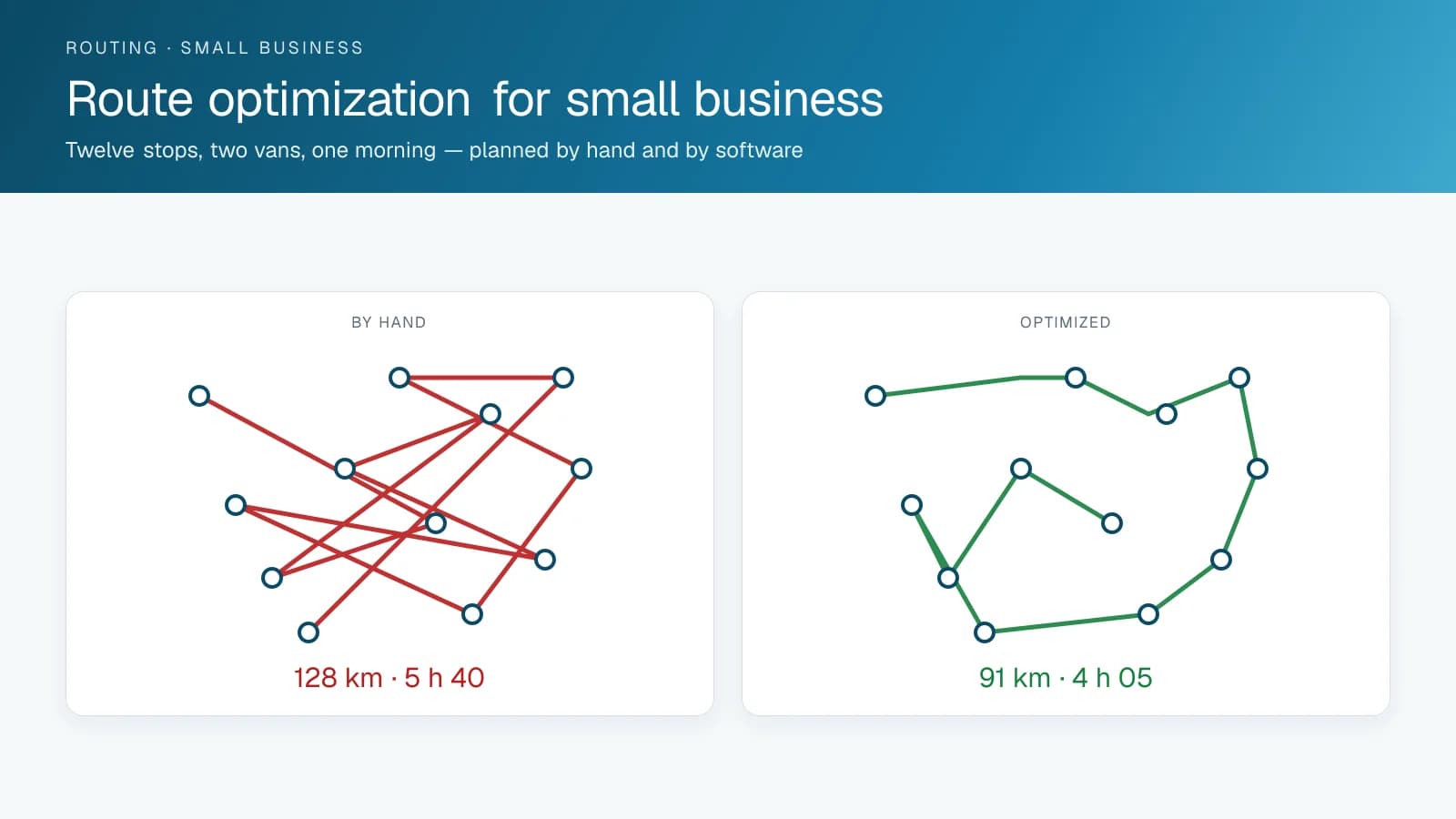
A small business with two or three vans does not need enterprise routing; it needs the morning's stops in a sensible order, on the driver's phone, with an ETA the customer can be told. Here's what small-business route optimization actually does, a before-and-after on a real-sized day, what it costs, and how it connects to the tracking you may already have.
Detention is the time a driver waits at a shipper or receiver beyond the free time the contract allows, and it is the most under-billed charge in trucking because nobody can prove it. Here's how detention works, what it costs a fleet, and how geofenced arrival and departure times turn it into an invoice that gets paid.