
Dispatch & Routing
Dispatch Software for Towing Companies: Real-Time Routing and Driver Assignment
Towing dispatch is measured in minutes: the caller is stranded, the motor club has a service-level clock running, and the nearest available truck wins. What dispatch software has to do for a tow operator — nearest-truck assignment, honest ETAs, job status, and the record that gets the invoice paid.
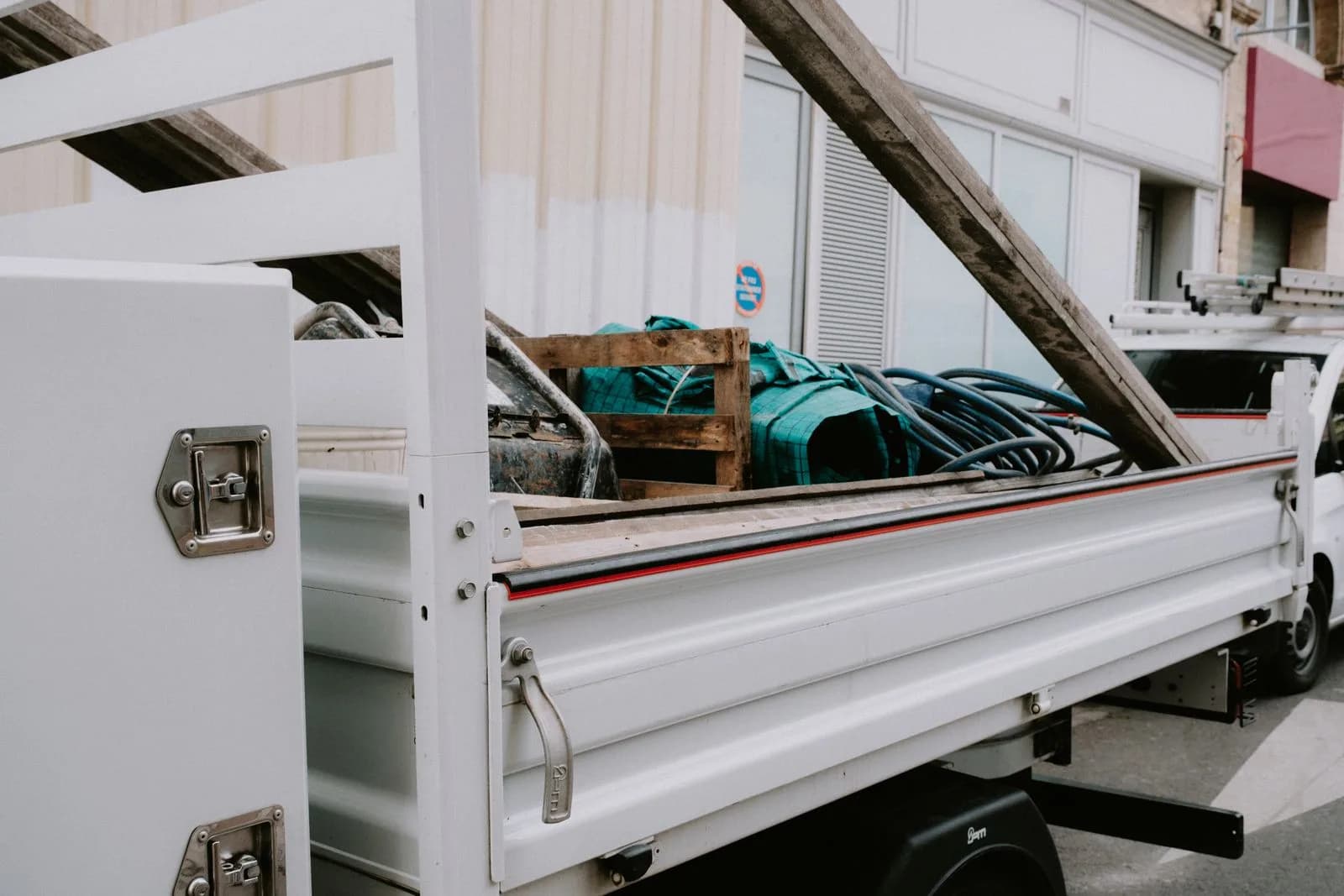
The Clock Is the Customer
A tow call is a person on a shoulder or in a parking lot who wants one thing: to know when the truck arrives, and for that to be true. Motor clubs and roadside programs formalise it as a service-level time, and they measure operators on it. So towing dispatch has one job above the others — get the nearest truck that can do the job moving, and give the caller an arrival time the operator can keep. Everything else in the software exists to make that reliable.
Nearest Available Truck
Nearest is a live-location question and available is a status question, and dispatch software has to answer both from the screen. Live location comes from the device in the truck, not the driver's phone, because the phone is in a pocket under a car when the call comes. Availability comes from the driver's app: en route, on scene, loaded, delivering, clear. With both on the map, the dispatcher sees at a glance which truck can take the call — and which truck type, since a flatbed and a wheel-lift are not interchangeable and a heavy-duty call needs the heavy-duty unit.
Some dispatch tools propose the assignment automatically from location, type and status; the dispatcher confirms with one tap and the driver's app rings.
ETAs the Operator Can Keep
An arrival estimate from map speed limits is a guess. One from the truck's live position, current traffic and the fleet's own history of how long a call of this type takes to reach is a promise, and the difference is what motor-club scorecards measure. The same feed drives a text to the caller with the truck's arrival estimate and, if the operator wants, a live link, which cuts the 'where is the truck' calls that tie up the dispatcher during the busiest hour.
The Record That Gets Paid
Tow invoices are disputed on time and distance more than any other line of business: time on scene, miles towed, waiting time, storage. A telematics record with geofence arrival and departure at the scene and at the yard, the towed distance from the trip history, and photos from the driver's app at hookup and drop is what ends the dispute. For police-rotation and impound work, that record is also the audit trail the contract requires.
What a Towing Operator Should Look For
The features that matter for towing specifically.
| Capability | Why it matters for towing |
|---|---|
| Live location from a device in the truck | The driver's phone is under a car when the call comes |
| Truck type and status on the map | Nearest available flatbed, not nearest truck |
| One-tap assignment to the driver's app | Minutes matter; the call should ring the truck immediately |
| ETAs from live position and history | Motor-club service levels; a promise the caller can rely on |
| Caller notifications and live link | Fewer 'where is the truck' calls during the rush |
| Geofence time on scene and at the yard, towed miles | Disputed invoices; police-rotation audit trails |
| Photos at hookup and drop | Damage claims |
| Dash camera tied to events | Roadside incidents where the tow truck is the vehicle at risk |
| After-hours and unauthorized-use rules | Trucks are valuable and mobile |
Frequently asked questions
How does dispatch software pick the nearest tow truck?
From live location reported by a device in each truck, combined with truck type and the driver's current status from the app. The dispatcher sees the nearest available unit of the right type and assigns it with one tap; some tools propose it automatically.
Can towing dispatch software send ETAs to the caller?
Yes. An estimate built from the truck's live position, traffic and the fleet's own history can be texted to the caller, with a live link if the operator chooses. It reduces status calls and is the number motor clubs measure.
How does telematics help with disputed tow invoices?
It records arrival and departure at the scene and the yard through geofences, the towed distance from trip history, and photos from the driver's app at hookup and drop. Time on scene, miles and waiting time become the vehicle's record rather than the driver's word.
Do I need a device in the truck if drivers have phones?
Yes. The phone is switched off, out of battery or under a car exactly when the call comes. A device in the truck reports location regardless, and supplies the trip and geofence records the invoice depends on.
Sources
Related solutions & products
Related terms
Get a free quote
What are you looking for?