
Industry
GPS Fleet Tracking for Towing & Roadside Recovery
GPS tracking for towing companies: send the closest truck to a breakdown, check winch and PTO use against the job, and log impound-lot activity.
Updated August 31, 2026
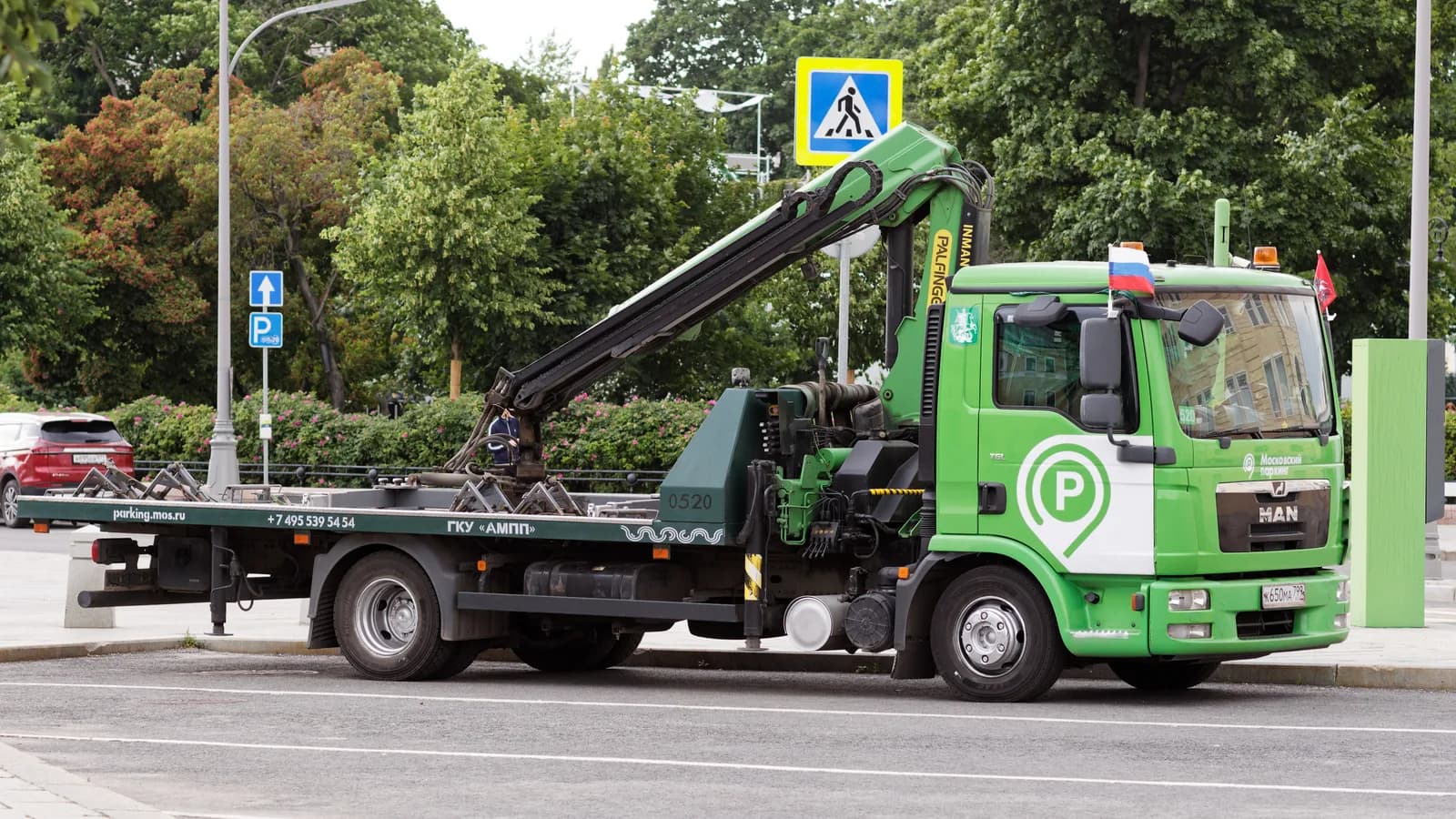
GPS tracking for towing and roadside recovery companies from High Point GPS shows every truck's live position, so dispatch can send the closest available truck to each call. Calls arrive with no pattern, and the job should go to the truck that is nearest and free. PTO and engine data confirm winch and lift use against what was billed, and a geofence around the impound lot records when each tow truck brought a vehicle in. Tow operators work breakdowns at the roadside in live traffic, so dash cams and driver scoring give you evidence in the situations most likely to end in a dispute or a claim.
Common challenges
- Picking the nearest available truck for an unexpected breakdown by guesswork
- No check that winch or PTO use on a job matches what was billed
- Impound-lot activity with no record of when a vehicle arrived or left
- Roadside recovery in live traffic, with high liability and no objective record
- Disputes over response time, tow location or vehicle condition at pickup
- Idling and fuel cost from trucks waiting on call through long shifts
How High Point GPS helps
- Live location for dispatching the closest available truck
- PTO and engine data that confirm winch and lift use against the job ticket
- Impound-lot geofencing that logs each tow truck's arrival and departure automatically
- Dash cams for roadside recovery evidence and driver accountability in traffic
- Time-stamped trip history to settle response-time and pickup-location disputes
- Idling data to control fuel cost on trucks waiting on call
How does GPS tracking help dispatch a tow truck to a breakdown?
GPS tracking shows the dispatcher every tow truck's current position, so a call from a stranded motorist or a motor-club partner goes to the closest available truck. Towing has no fixed routes, and the next name on a rotation is often the wrong truck. A dispatcher without live location works from memory and a radio check, which slows response on the calls where response time is what the customer pays for and the contract often measures.
With live location, the dispatcher assigns each call by actual proximity, which can shorten the drive to each call. For operators on motor-club or municipal contracts with response-time expectations, the same trip history is the record that shows the standard was met.
Verifying winch use and impound activity
A tow truck's record should cover what its equipment did as well as where it drove. PTO and engine data can confirm when the winch or lift was actually engaged, which ties the physical work of a job to the ticket and gives an operator a way to check billed activity against what the truck actually did. Recovery jobs vary widely in effort, so that check adds accountability beyond location alone.
Impound and storage lots add a second place where a record matters. Geofencing the lot logs when each tow truck arrived and left, which dates every vehicle brought in, supports accurate storage billing and creates a timeline if the timing of an impound is ever questioned. The geofence follows the tracked tow truck, not the towed car, so the lot still logs each release to an owner. The record builds itself, with no handwritten log that depends on someone remembering to fill it in.
Evidence where roadside work gets risky
Roadside recovery happens in some of the most hazardous conditions any fleet operates in: live traffic, often at night or in bad weather, with a driver working outside the truck. That environment produces both real safety risk and a steady stream of disputes, over the condition of a vehicle at pickup, over what happened at the scene, over who was at fault in an incident on the shoulder.
Dash cams and driver scoring address both sides. Video gives an objective record of the scene and the vehicle's condition, which resolves damage and liability disputes that would otherwise be one account against another, and behavior scoring plus automatic event capture support safer driving on the deadhead miles between calls. Because the footage is tied to verified speed and location, it carries more weight than video alone when a claim is contested.
Frequently asked questions
How does GPS tracking help a towing dispatcher?
Live location lets a dispatcher send the closest available truck to a breakdown instead of guessing or working down a rotation. That can cut response time on calls where speed is what the customer is paying for. The trip history also gives you a time-stamped record to show a motor club or municipality that a contracted response standard was met.
Can the system verify winch or PTO usage on a job?
Yes. PTO and engine data can confirm when the winch or lift was engaged on each job. That ties the physical work to the ticket, so you can check billed activity against what the truck did. On recovery jobs that vary widely in effort, it adds a check on billing that location data alone cannot give.
Can geofencing track vehicles in and out of an impound lot?
Partly. A geofence around an impound or storage lot logs when each tow truck arrives and leaves, which dates every vehicle brought in with no handwritten log to keep. The geofence follows the tracked truck, not the towed car, so the lot still logs each release to an owner. That record supports accurate storage billing.
Are dash cams useful for a towing fleet?
Often, yes. Roadside recovery happens in live traffic and produces frequent disputes over vehicle condition and fault. Dash cam footage tied to recorded speed and location gives an objective record of the scene, which settles damage and liability claims faster than two conflicting accounts. Driver scoring also covers the deadhead miles between calls.
Related solutions
Get a free quote
- Over 500 fleets
- Since 2013
- 4.9 on Google (19 reviews)
What are you looking for?
Prefer to talk?Call 1-800-613-6323[email protected]