
Dispatch & Routing
Dispatch Software for Construction and Concrete Fleets
Construction dispatch moves crews, trucks and equipment between sites that change weekly, and concrete dispatch adds a clock: the load has a life. What dispatch software has to do differently for both, and how site geofences and equipment tracking fit in.
Why Construction Dispatch Is Different
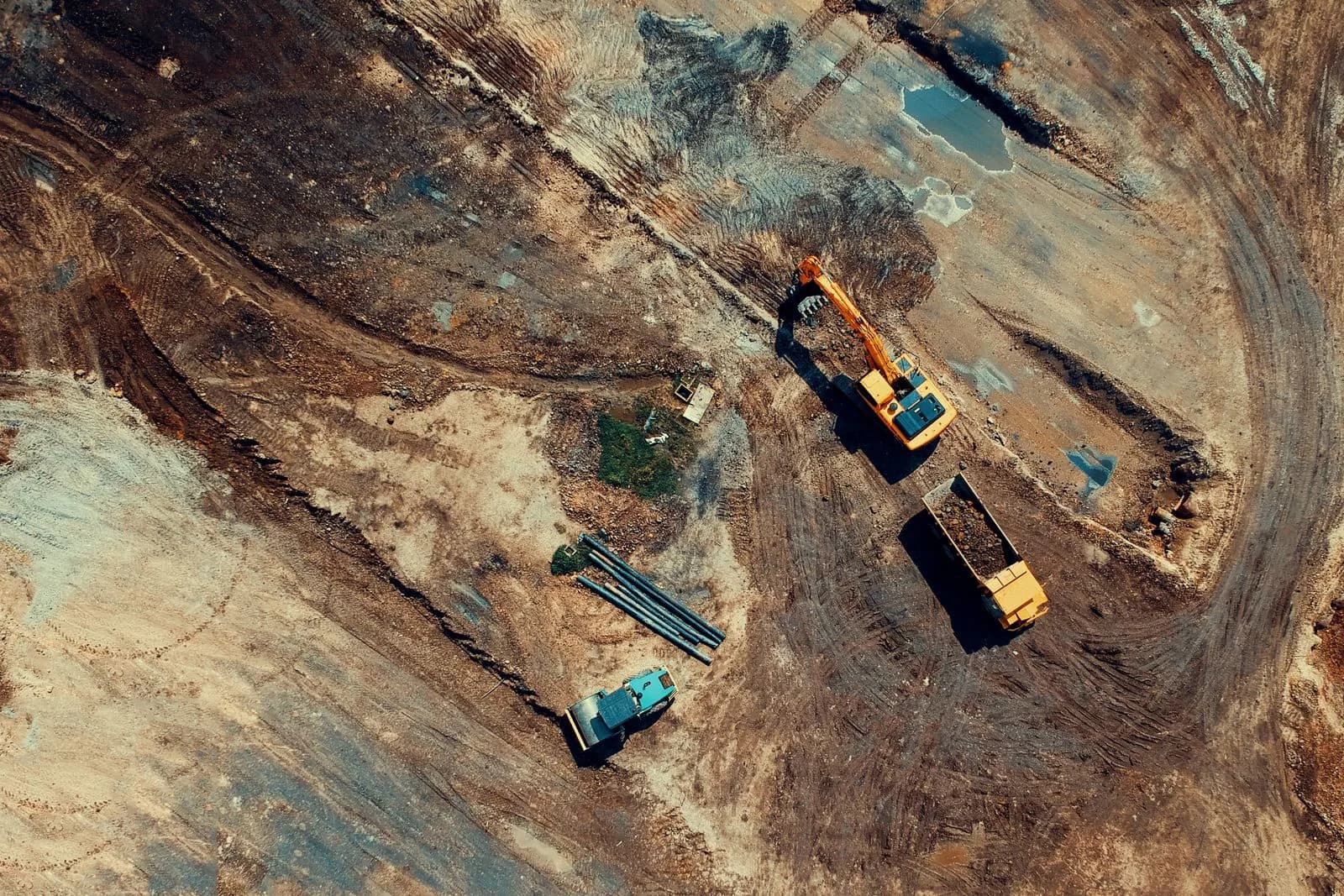
A delivery fleet dispatches to addresses; a construction fleet dispatches to sites, and the sites are the problem. They open and close, they move as a project progresses, they have gates, muster points and no-go zones, and the same site may take a pickup by one road and a lowboy by another. The work is also not stops in a sequence; it is crews and equipment that need to be at a site for a shift, and trucks — dump, water, fuel, service — cycling between sites and a yard or a pit. Dispatch software built for parcels handles this badly. Software built for construction treats the site as the unit.
Sites as Geofences
The single most useful thing telematics does for a construction fleet is turn every site into a geofence. Arrival and departure of every vehicle and every piece of tracked equipment is recorded automatically, which gives the superintendent the day's attendance, the office the hours to bill or to cost against the job, and the dispatcher a live picture of which sites have what. A site's geofence is drawn once when the job opens and retired when it closes; nobody has to remember to log in and out.
Vehicles that leave a site outside working hours, or enter a site they are not assigned to, trigger rules — the same mechanism that catches equipment theft on a weekend and a truck taking the long way home.
Equipment, Not Just Trucks
Construction dispatch includes the excavator, the compactor and the generator, none of which has a driver to call. Powered equipment carries a GO RUGGED device and reports position, engine hours and fault codes like a truck; unpowered assets — trailers, containers, attachments — carry a battery tracker that reports position on a schedule. The dispatcher's board then shows where the equipment is and whether it is running, which is what decides whether to send a low-boy across town or use the machine already on the next site over. Engine hours by site are also the numbers the estimator and the maintenance shop both want.
Concrete: Dispatching Against a Clock
Ready-mix adds the constraint that the product is perishable: a load has a window from batching to placement, and a truck stuck in traffic is a truck that may return with a load nobody can use. Concrete dispatch therefore works backwards from the pour — how many trucks, at what spacing, from which plant — and needs to know, truck by truck, where each is in its cycle: loading, en route, on site, pouring, washing out, returning. Telematics with site geofences and status from the driver's app gives the dispatcher that cycle live, so the next truck is released when the site can take it and a slow return is seen before it becomes a gap at the pour.
Integration with the batch plant's own dispatch system is common and worth asking about; the telematics platform supplies the truck positions and cycle times to it through the API rather than replacing it.
What to Look For
Capabilities that matter for construction and concrete specifically.
| Capability | Why it matters here |
|---|---|
| Site geofences with automatic arrival and departure | Attendance, billing hours, job costing, theft alerts |
| Equipment on the same map as trucks, with engine hours | Move the machine that is closest and running; cost hours by job |
| Rugged, sealed devices for open-cab and off-road equipment | Standard plug-in devices do not survive it |
| Driver and operator ID | Who ran the machine, for hours and for safety |
| Status from the driver or operator app | Concrete cycle stages; crew check-in |
| After-hours and out-of-zone rules | Weekend theft, unauthorized use |
| API to batch-plant, estimating or costing systems | Truck positions and hours flow where they are used |
Frequently asked questions
How is construction dispatch software different from delivery dispatch?
It treats the site, not the address, as the unit: crews and equipment assigned to sites for shifts, trucks cycling between sites and yards, site geofences recording arrival and departure, and equipment — with no driver to call — on the same map as the trucks.
Can dispatch software track excavators and other equipment?
Yes. Powered equipment carries a rugged telematics device reporting position, engine hours and fault codes; unpowered assets carry a battery tracker reporting position on a schedule. Both appear on the dispatcher's map alongside the trucks.
How does dispatch work for ready-mix concrete?
Backwards from the pour: trucks are released at a spacing the site can take, and the dispatcher watches each truck's cycle — loading, en route, on site, pouring, returning — live from telematics and the driver's app, so a slow return is seen before it becomes a gap.
Do construction geofences need to be set up manually?
A site geofence is drawn once when the job opens and retired when it closes. From then on every vehicle's and machine's arrival and departure is recorded automatically, with rules for after-hours movement and unassigned sites.
Related solutions & products
Get a free quote
What are you looking for?