
Asset & Equipment Tracking
Types of Construction Equipment and How to Track Each One
'Construction equipment' covers earthmoving machines, lifting equipment, material handling, compaction, concrete, road-building and the small tools that vanish first. Here's a working list of the categories, what data each type produces, and which tracking hardware — powered telematics, standalone tracker or Bluetooth tag — fits each.
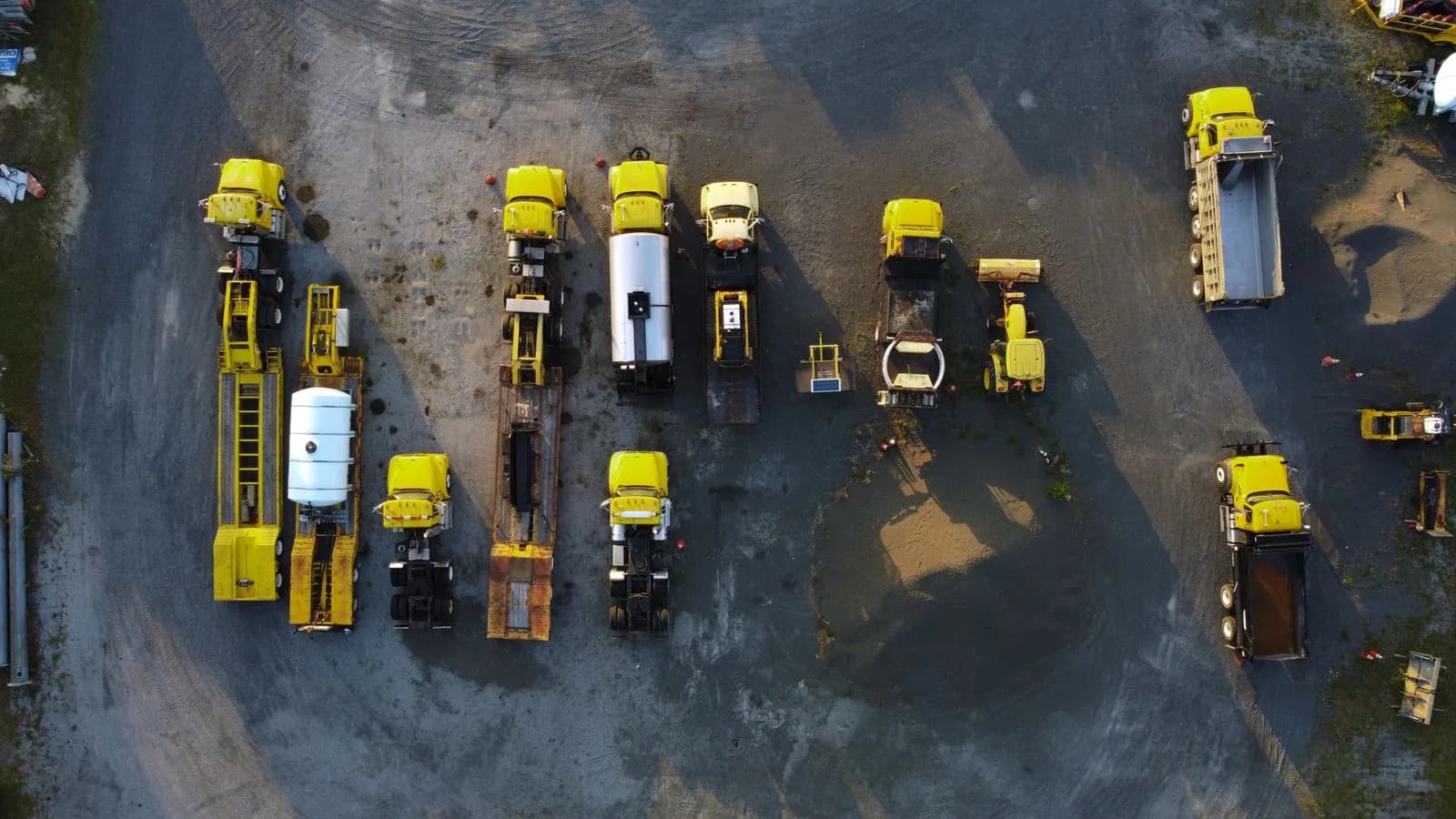
Earthmoving and Heavy Machines
Excavators, backhoes, bulldozers, wheel loaders, skid steers, motor graders, scrapers and articulated dump trucks are the core of any contractor's fleet and the most valuable single items on a site. They have engines, electrical systems and usually a diagnostic connector, so they take a ruggedized telematics device — a GO device in a sealed housing — that reports location, engine hours, fuel, idle, fault codes and, on newer machines, manufacturer data through the standard construction-equipment interface. The engine-hour and idle data is what runs maintenance and utilization; the location and after-hours rules are what recover the machine when it is stolen.
Lifting, Aerial and Road Equipment
Cranes, telehandlers, boom and scissor lifts, forklifts, pavers, milling machines and rollers are powered and tracked the same way, with two additional interests: operator identification, because many of these require a certified operator and the fleet wants to know who ran the lift, and safety events, because a telehandler's tip-over or a roller's impact is a recorded event. Driver ID readers on the device's expansion port link each session to a person.
Towed and Unpowered Equipment
Compressors, generators, light towers, trailers, water and fuel tanks, plate compactors and concrete equipment are moved by other vehicles and often sit for weeks. Those that travel with the fleet's own trucks take a Bluetooth tag that any GO device nearby reports; those left at sites the fleet's trucks do not visit, or rented out, take a standalone battery or solar tracker with its own GPS. A generator with an engine can take a powered device for hours and fuel, but a tag is usually enough to answer where it is and whether it moved.
Attachments, Survey Gear and Tools
Buckets, hydraulic breakers, augers, forks and grapples are worth thousands each and change machines constantly; survey instruments and laser levels are worth as much and fit in a truck cab; power tools walk. All of these take Bluetooth tags, which are cheap enough to put on everything above a few hundred dollars, sealed against the site, and last years on a battery. The trucks and machines with GO devices are the readers, so the coverage is wherever the fleet goes, and a tag not heard in a set number of days raises an alert before the item is needed on the next job. High Point GPS installs the full range — ruggedized devices, standalone trackers and tags — for contractors across Quebec, Ontario and the northeastern US.
Frequently asked questions
What is considered construction equipment?
Earthmoving machines, lifting and aerial equipment, material handling, compaction and paving machines, concrete equipment, towed and unpowered support equipment, attachments, survey gear and tools.
How do you track an excavator or loader?
With a ruggedized telematics device that reports location, engine hours, fuel, idle and fault codes, and raises after-hours and geofence alerts.
How do you track equipment without an engine?
With a Bluetooth tag if it travels with the fleet's own vehicles, or a standalone battery or solar GPS tracker if it is left where no tracked vehicle goes.
Can you track attachments and hand tools?
Yes, with Bluetooth tags read by any nearby tracked vehicle or machine. Tags cost little, last years and raise an alert when an item goes unseen.
Does construction equipment tracking include maintenance?
Yes. Engine-hour and fault-code data from powered machines drives service intervals and work orders.
Related solutions & products
Get a free quote
What are you looking for?