Resources
Tracking trailers, generators, and tools that don't have their own engine or power source.
Asset & Equipment Tracking
GPS equipment tracking works through a battery tracker, a Bluetooth tag relayed by a vehicle, a wired unit or factory data. How each one works and costs.
The best GPS tracker for heavy equipment depends on each machine's power, age and how long it sits alone. Compare rugged, wired and battery trackers.
Pick an asset tracker by how equipment moves: GPS asset tags suit tools riding with a tracked vehicle, powered trackers suit assets left alone for days.
Equipment utilization tracking uses GPS and engine-hour data to show which machines work and which sit idle, so you buy, rent and redeploy on real usage.
GPS tracking for rental equipment records engine hours and location from pickup to return, so you can bill hours run accurately and settle disputes.
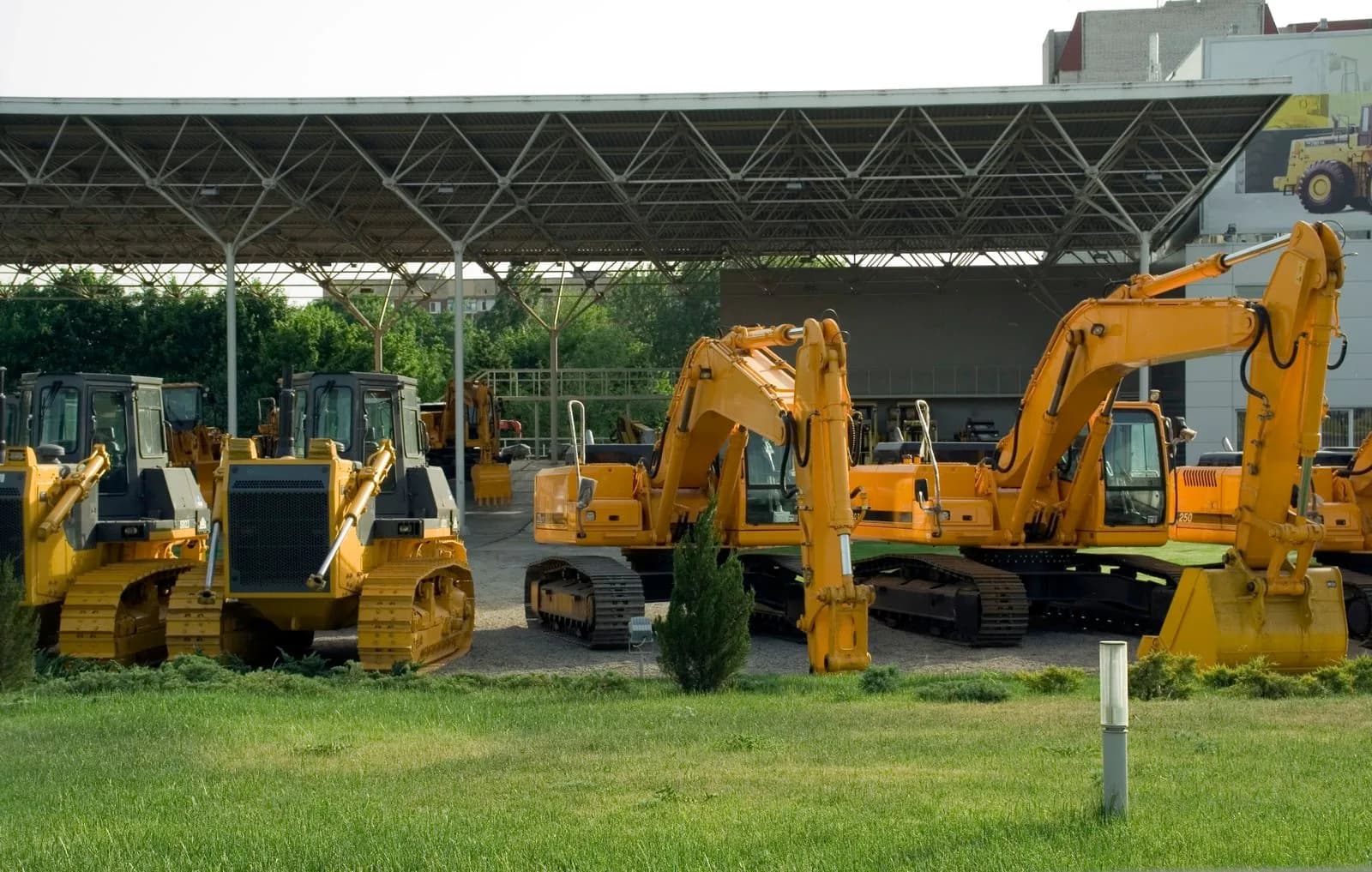
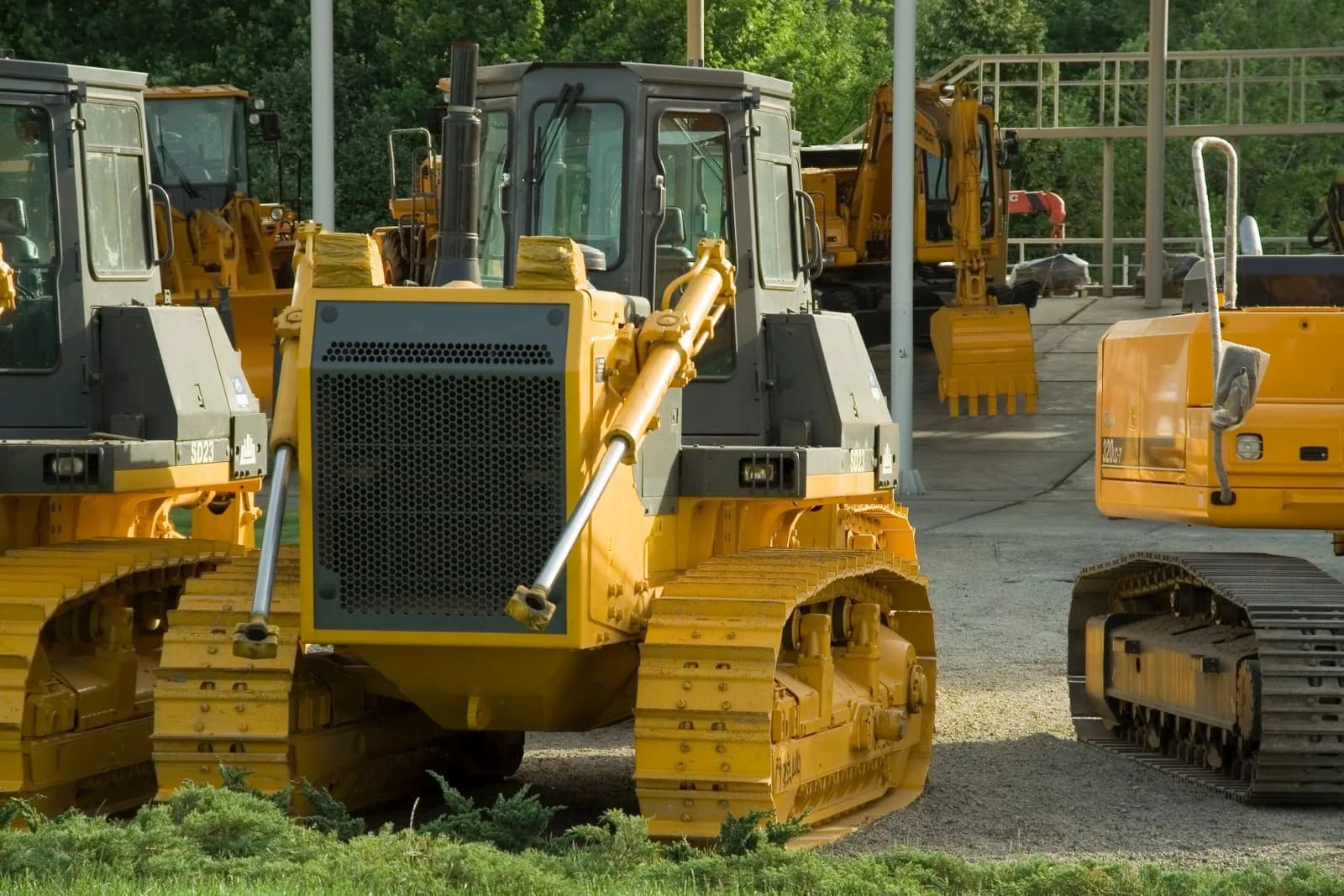
Construction equipment telematics reports engine hours, site time, fault codes and utilization from excavators, loaders and other heavy machines.
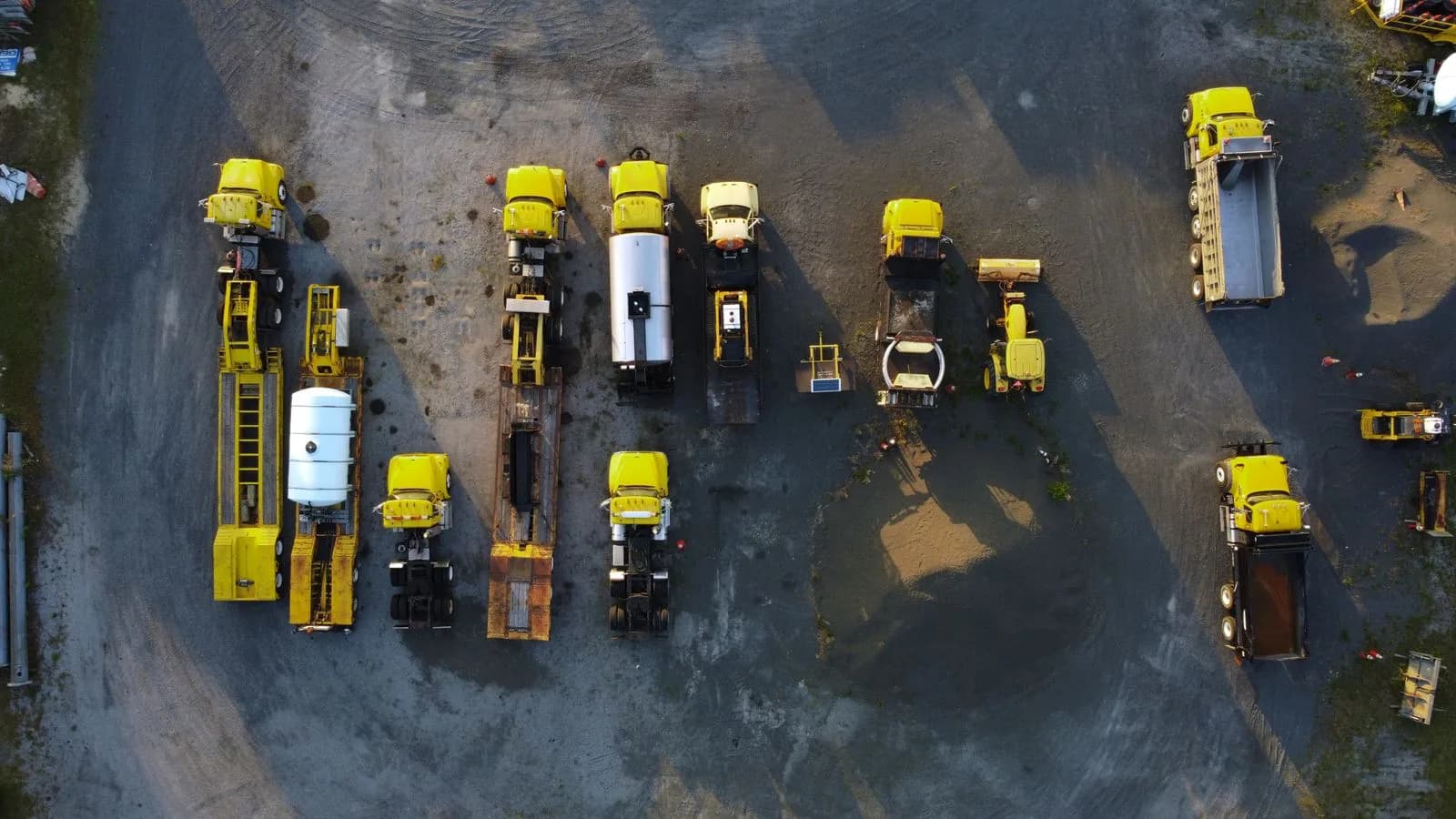
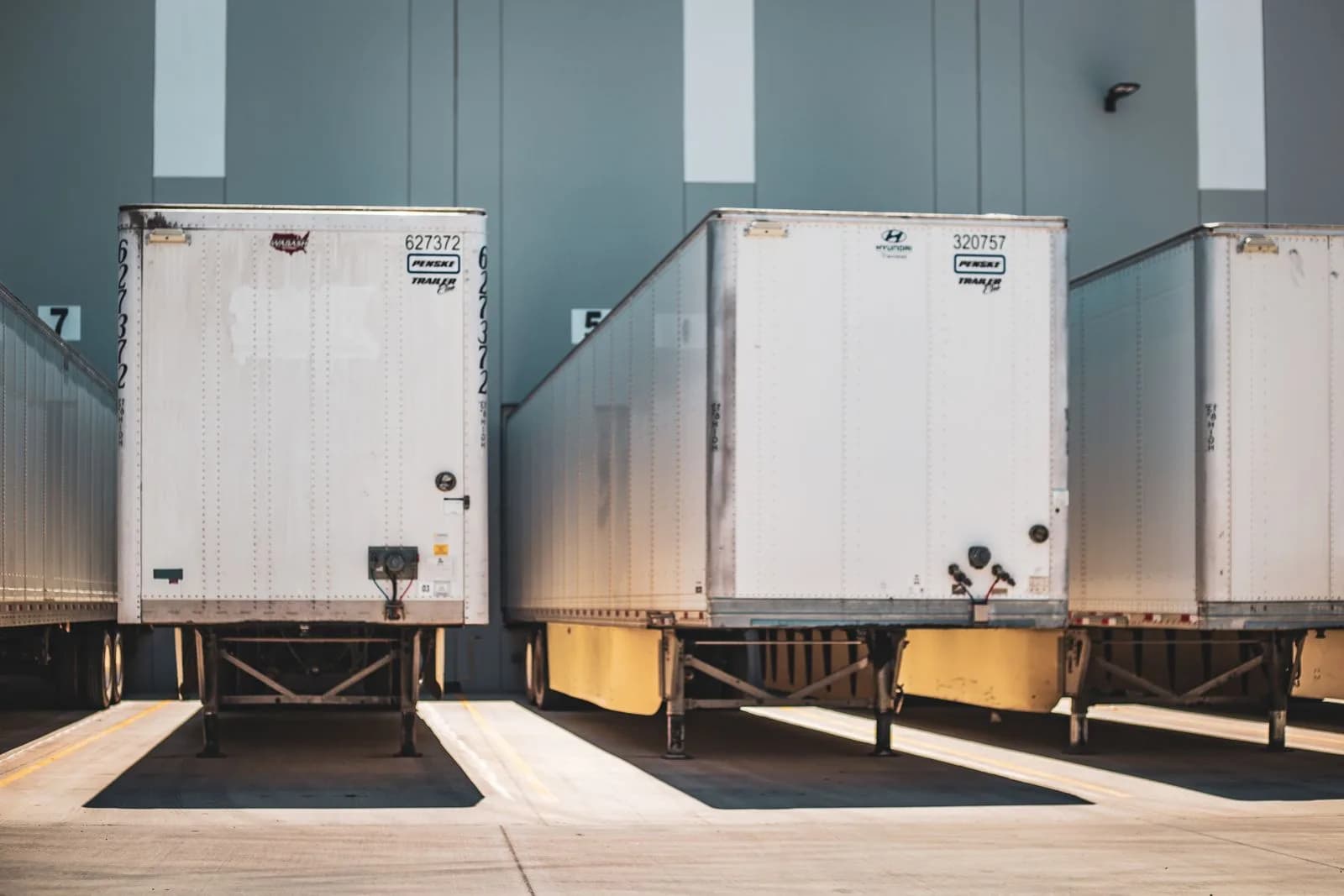
Trailer GPS tracking works with no truck attached: the tracker has its own GPS and modem, battery units for dry vans, wired units for powered trailers.
A GPS tracker speeds heavy equipment theft recovery by showing where a stolen machine went in the first hours. Set up these alerts and tags before a theft.
Bluetooth asset tracking tags have no GPS: a vehicle device fitted with the IOX-BT hears them and reports where. See the range, battery and what to tag.
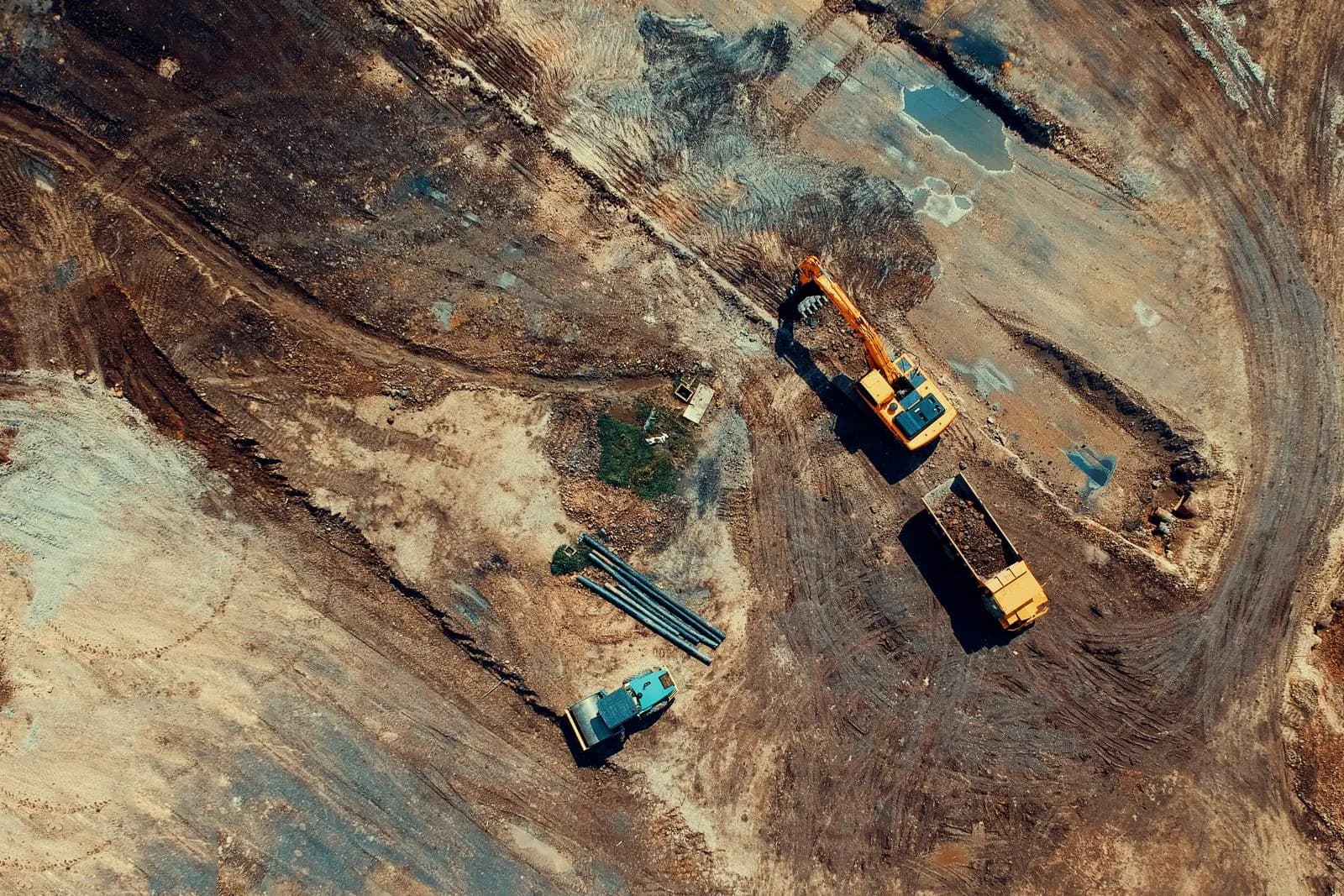
Construction equipment tracking software puts machines, attachments and tools, from a 40-tonne excavator to a laser level, on one map. What it tracks.
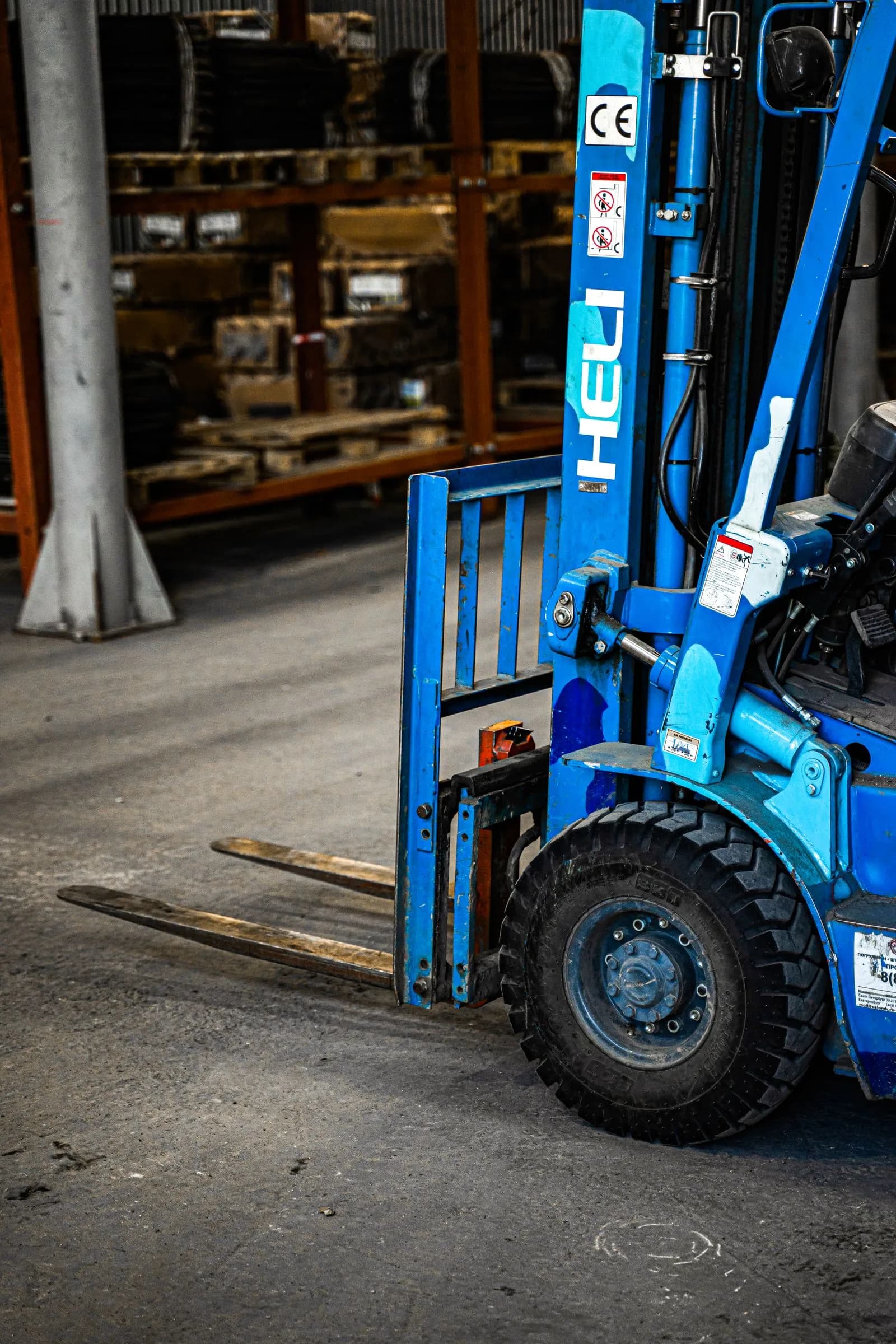
The main types of construction equipment, from excavators to small tools, and how to track each: a telematics device, a battery unit or a Bluetooth tag.
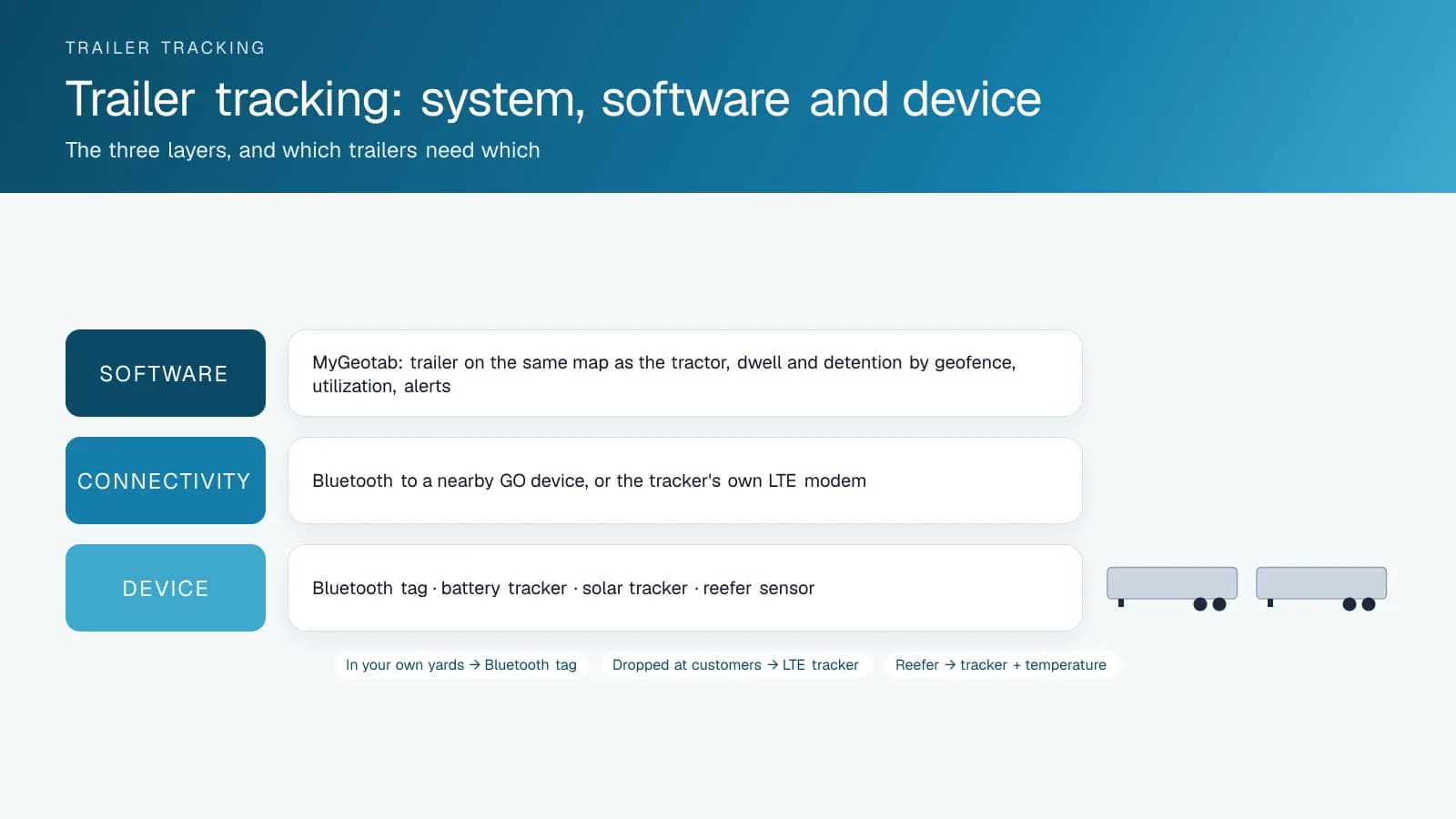
Trailer tracking software turns trailer positions into dwell reports, detention records, geofence alerts and TMS feeds. See what a full system includes.
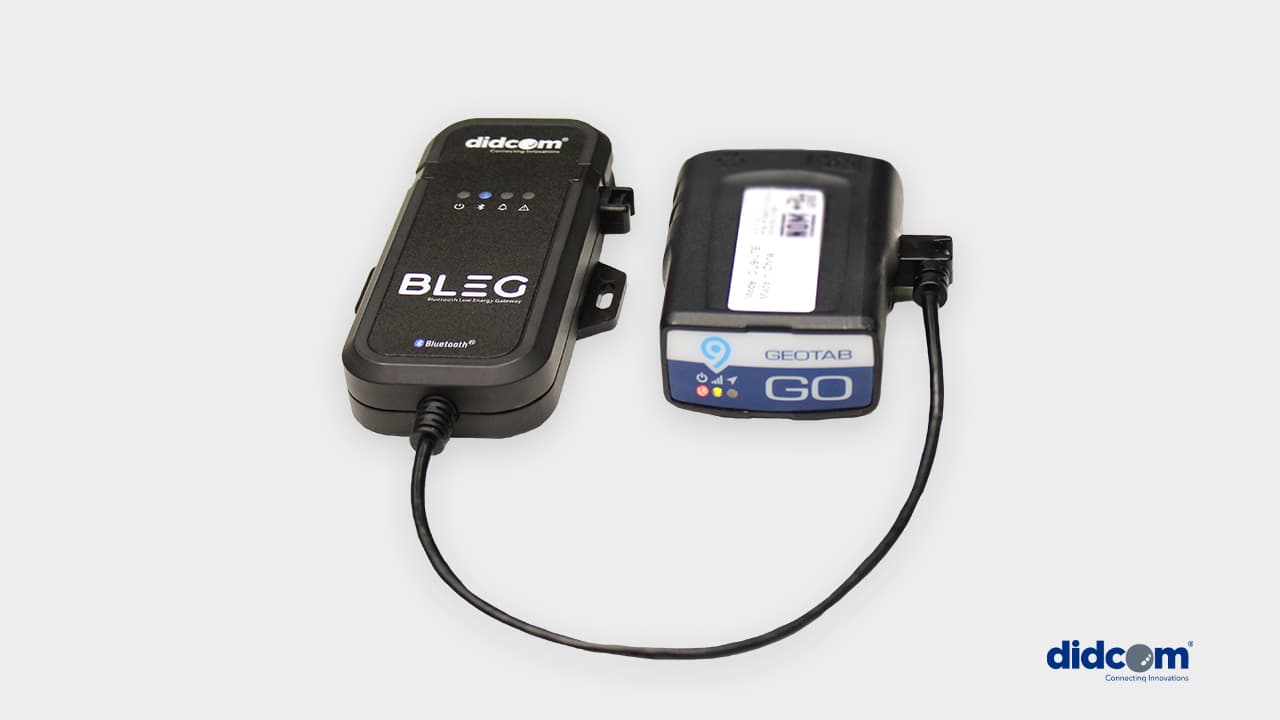
A Bluetooth gateway pairs with up to thirty trailer sensors and sends their readings to the GPS tracking device as one feed for cold-chain tracking.
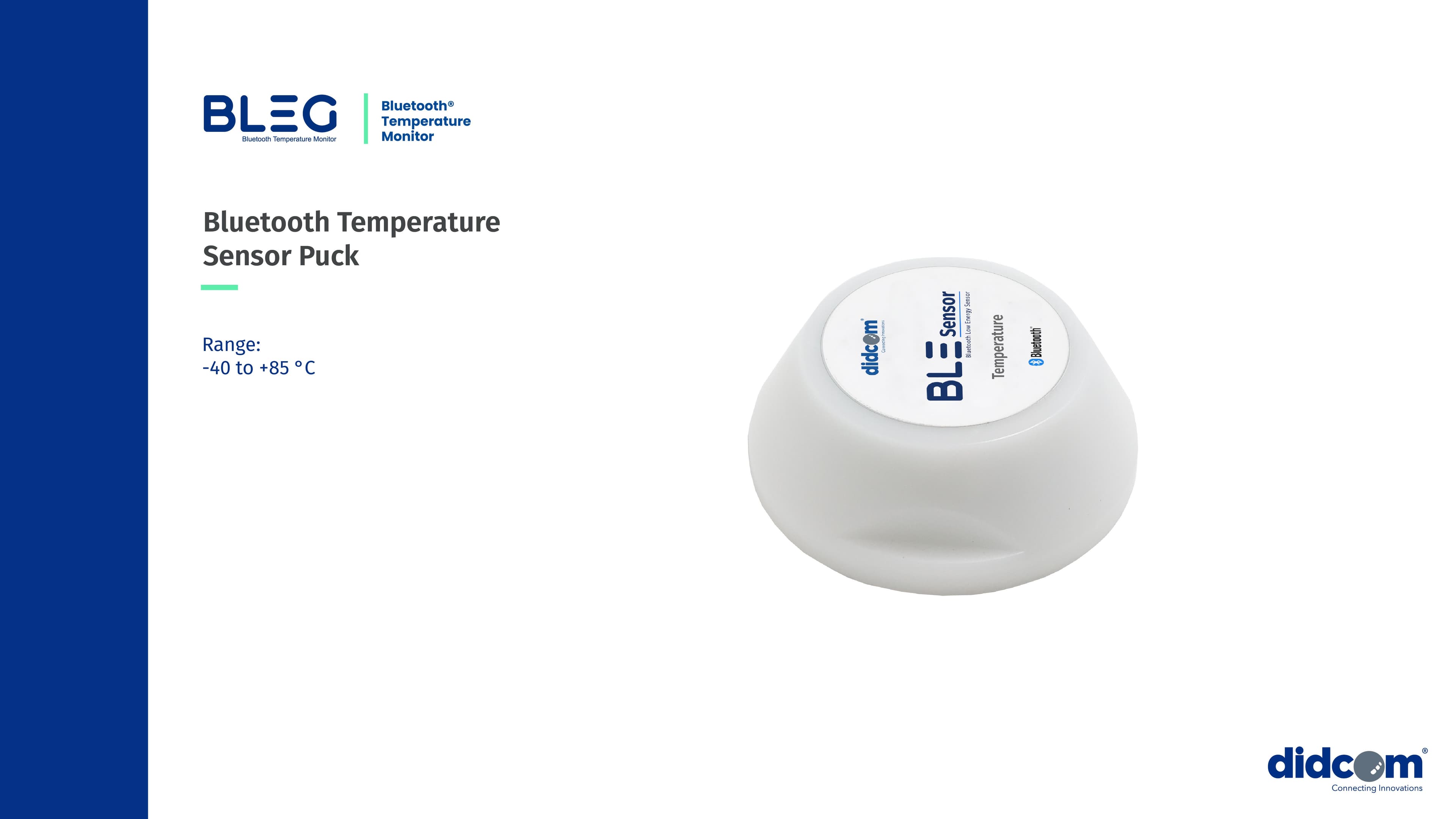
A Bluetooth temperature sensor puck rides in the load and sends minus 40 to 85 °C readings to the truck's tracker on a ten-year battery.
Wired reefer temperature monitoring logs a calibrated probe in each refrigerated truck compartment with the trip. See when audits call for it over pucks.