
Asset & Equipment Tracking
Telematics for Construction and Heavy Equipment: Tracking Machines, Not Just Trucks
An excavator has no odometer, no highway and no driver to call — and it is worth ten times the pickup that hauled it. Telematics for heavy equipment tracks hours, location, faults and utilization on machines, with hardware built for the environment. What differs from truck telematics, and what to put on which machine.
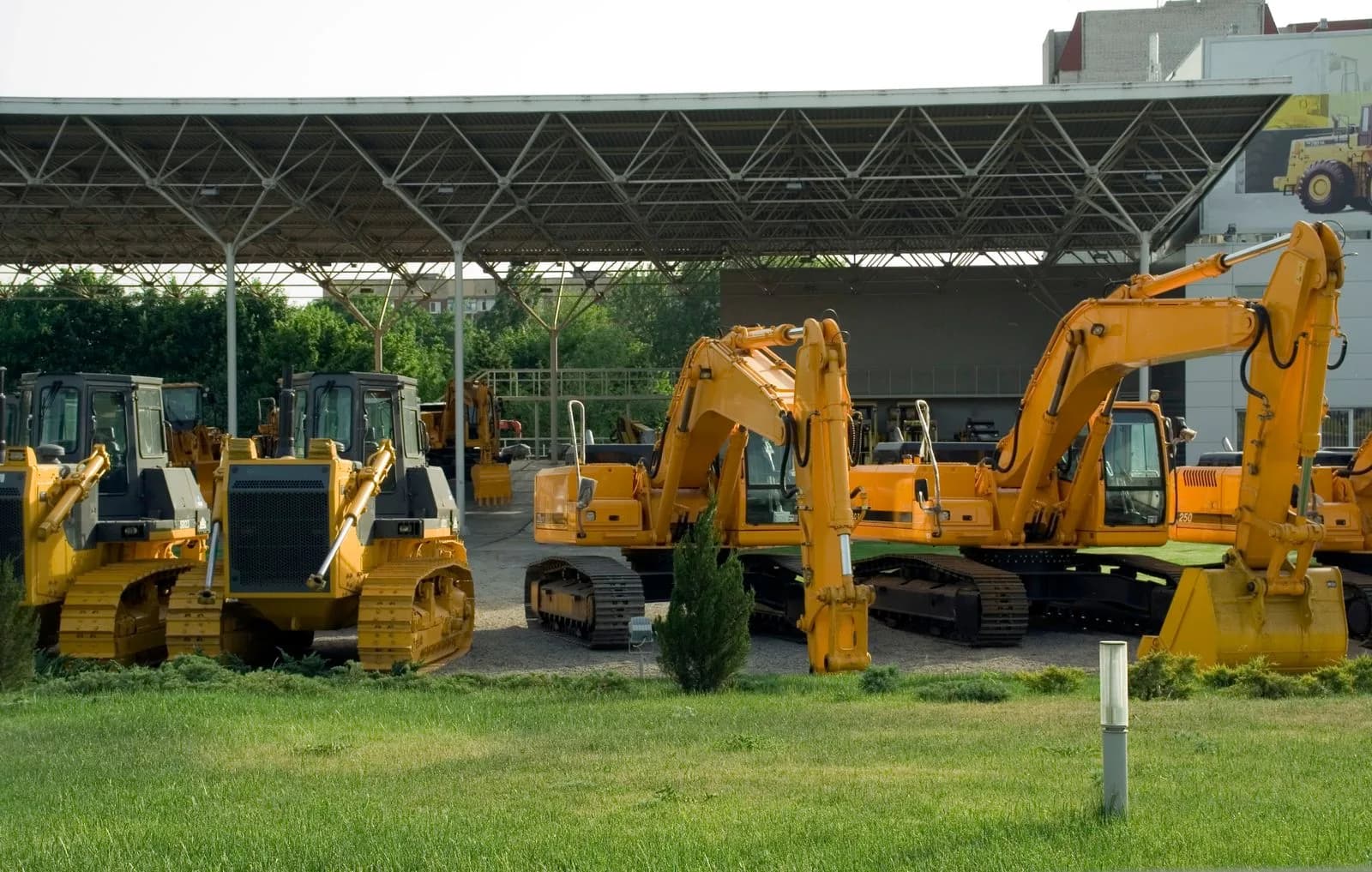
How Machines Differ From Trucks
Truck telematics is organised around distance: odometer, trips, routes, speed. A machine on a site may move a few hundred metres a day, and its life is measured in engine hours, not kilometres. It has no driver logging in, so who ran it and for how long are things the device has to establish. It lives outdoors, in dust, vibration and wash-down, and its diagnostic port — where there is one — is not the standard connector a truck device plugs into. And it is stolen more often, because a site at night is a yard with no fence.
Telematics for equipment therefore emphasises different data — hours, location, fault codes, on-site time — and different hardware: sealed, externally mounted devices for powered machines, and battery trackers for anything without an engine.
What to Put on Which Machine
The hardware decision, by asset type.
| Asset | Device | What it reports |
|---|---|---|
| Excavators, loaders, dozers, graders | Sealed rugged telematics device, hard-wired | Location, engine hours, fault codes, idle vs working, operator ID |
| Compressors, generators, light towers, pumps | Sealed rugged device or a wired tracker | Location, run hours, geofence alerts |
| Trailers, containers, attachments, buckets | Battery-powered asset tracker | Location on a schedule, movement alerts |
| Rental equipment of any kind | As above, plus geofence rules per rental | Hours for billing, location, off-site alerts |
| Pickups and service trucks | Standard plug-in telematics device | Everything a truck reports |
Engine Hours: The Number Everything Runs On
Maintenance intervals for machines are in hours, and a fleet that reads them from the hour meter at the last time somebody was on site services machines too early or too late. Telematics reports hours continuously, so service is scheduled from real use, fault codes arrive as they happen, and a machine that is idling — engine running, not working — is visible as fuel being burned for nothing. For rental fleets the same hours are the invoice: billed from the device rather than from the meter reading the customer wrote down.
Location, Sites and Theft
Every site is a geofence, so the platform knows which machines are on which site, when they arrived and when they left — which is the day's attendance for the superintendent, the hours-by-job for the estimator, and the alert when a machine moves at two in the morning. Theft is where equipment telematics pays for itself in one event: a machine leaving a site outside hours triggers an alert, and the device keeps reporting position until it is recovered. Battery trackers on trailers and attachments extend the same protection to the assets that are easiest to take.
Utilization: Which Machines You Do Not Need
Hours worked versus hours available, per machine, per month, is the report most contractors have never seen and the one that changes the fleet. It shows the machines that sit, the ones that are rented while an owned one sits at the yard, and the ones worked so hard they should be replaced. A contractor reading it for the first time usually finds a machine to sell and a rental to cancel, which is how most equipment telematics projects are paid for.
Frequently asked questions
Can I use a truck telematics device on an excavator?
Not a standard plug-in one: machines lack the connector and the environment destroys unsealed devices. Powered equipment takes a sealed, hard-wired rugged device such as the Geotab GO RUGGED; unpowered assets take a battery tracker.
What data matters most for heavy equipment?
Engine hours, for maintenance and for rental billing; location by site, for attendance, job costing and theft; fault codes; and utilization — hours worked versus available — for deciding what to own, rent or sell.
How does equipment telematics prevent theft?
Site geofences and after-hours rules alert when a machine moves outside working hours, and the device keeps reporting position until the machine is recovered. Battery trackers extend this to trailers and attachments.
Does equipment telematics work for rental fleets?
Especially well: engine hours from the device become the invoice, geofences per rental flag off-site use, and utilization shows which units earn their keep.
Related solutions & products
Get a free quote
What are you looking for?