
Tracking Hardware
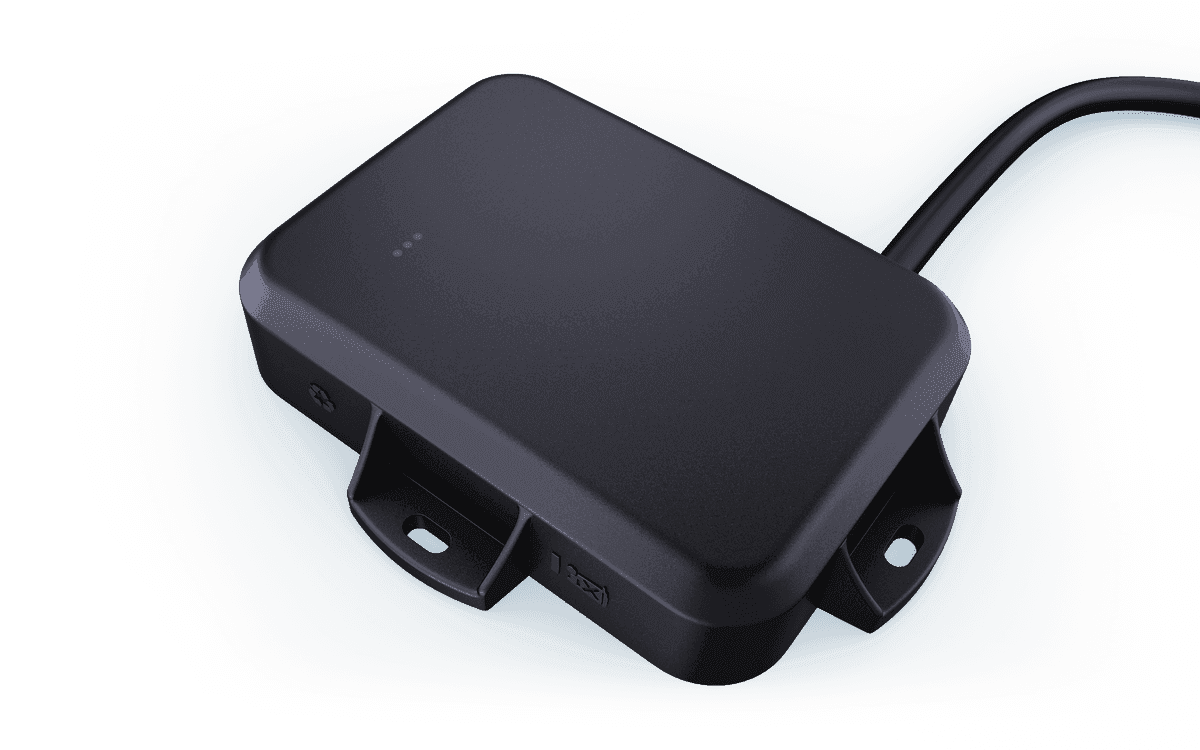
Rugged GPS Tracking Device
An IP67-rated device built for off-road, heavy-duty, and harsh-condition vehicles and equipment.
Updated August 1, 2026
The rugged GPS tracking device is built for equipment and vehicles that live outside the conditions a standard in-cab device is designed for: dust, water, vibration, and temperature swings. It carries an IP67 rating for dust and water resistance and is suited to construction equipment, trailers, and heavy-duty applications where a standard OBD-II install isn't practical.
Specs
- Rating
- IP67 dust and water resistance
- Built for
- Off-road equipment, trailers, heavy-duty and harsh-condition vehicles
- Positioning
- GNSS-based location and trip tracking
Highlights
- IP67-rated for dust, water, and harsh conditions
- Suited to equipment and trailers without a standard diagnostic port
- Same High Point GPS platform reporting as standard GPS tracking devices
What IP67 Actually Protects Against
An IP67 rating means a device is fully protected against dust ingress and can survive temporary submersion in water, which are the two failure modes standard in-cab electronics aren't designed to handle. A GPS tracking device mounted inside a climate-controlled cab never needs that protection, but a device exposed to a construction site's dust or a piece of equipment that occasionally sits in standing water genuinely does.
That's the practical distinction between the rugged GPS tracking device and the standard one: not better tracking accuracy, but survivability in conditions that would degrade or disable standard hardware over time. Choosing the rugged GPS tracking device for equipment that lives outdoors in harsh conditions is a durability decision, not a performance upgrade.
Planning for a Different Kind of Install
Because the rugged GPS tracking device is typically deployed on equipment without a standard OBD-II port in the first place, either heavy machinery or trailers that were never built with a diagnostic port for a device like this, installation more often involves hardwiring or a 3-wire harness rather than a simple plug-in connection. That means scheduling a bit more install time per unit than a standard GPS tracking device rollout would need.
It still connects through the same IOX expansion port as a standard GPS tracking device, so any cameras or sensors already planned for a fleet's other vehicles work the same way on equipment fitted with the rugged GPS tracking device, without needing a separate compatibility check for the harsh-condition hardware specifically.
Frequently asked questions
What kind of vehicles or equipment need the rugged GPS tracking device instead of the standard one?
Off-road equipment, trailers, and heavy-duty vehicles operating in dusty, wet, or extreme conditions: anywhere a standard in-cab OBD-II device isn't practical or durable enough.
Does the rugged GPS tracking device support the same IOX add-ons as the standard one?
Yes, the rugged GPS tracking device has the same IOX expansion port, so cameras, sensors, and other IOX-connected accessories work the same way they would on a standard GPS tracking device.
Is installation different for the rugged GPS tracking device than for the standard one?
Often, yes. Since the rugged GPS tracking device is typically used on equipment without a standard OBD-II port, installation is more likely to involve a hardwired or 3-wire setup rather than a simple plug-and-play connection.
Related solutions
Get a free quote
What are you looking for?