
Dispatch & Routing
Detention Time in Trucking: What It Costs and How to Bill Detention Pay With GPS
Detention pay in trucking covers a driver's wait past the contract's free time. GPS geofence arrival and departure times give you the proof to bill it.
What Is Detention Time in Trucking?
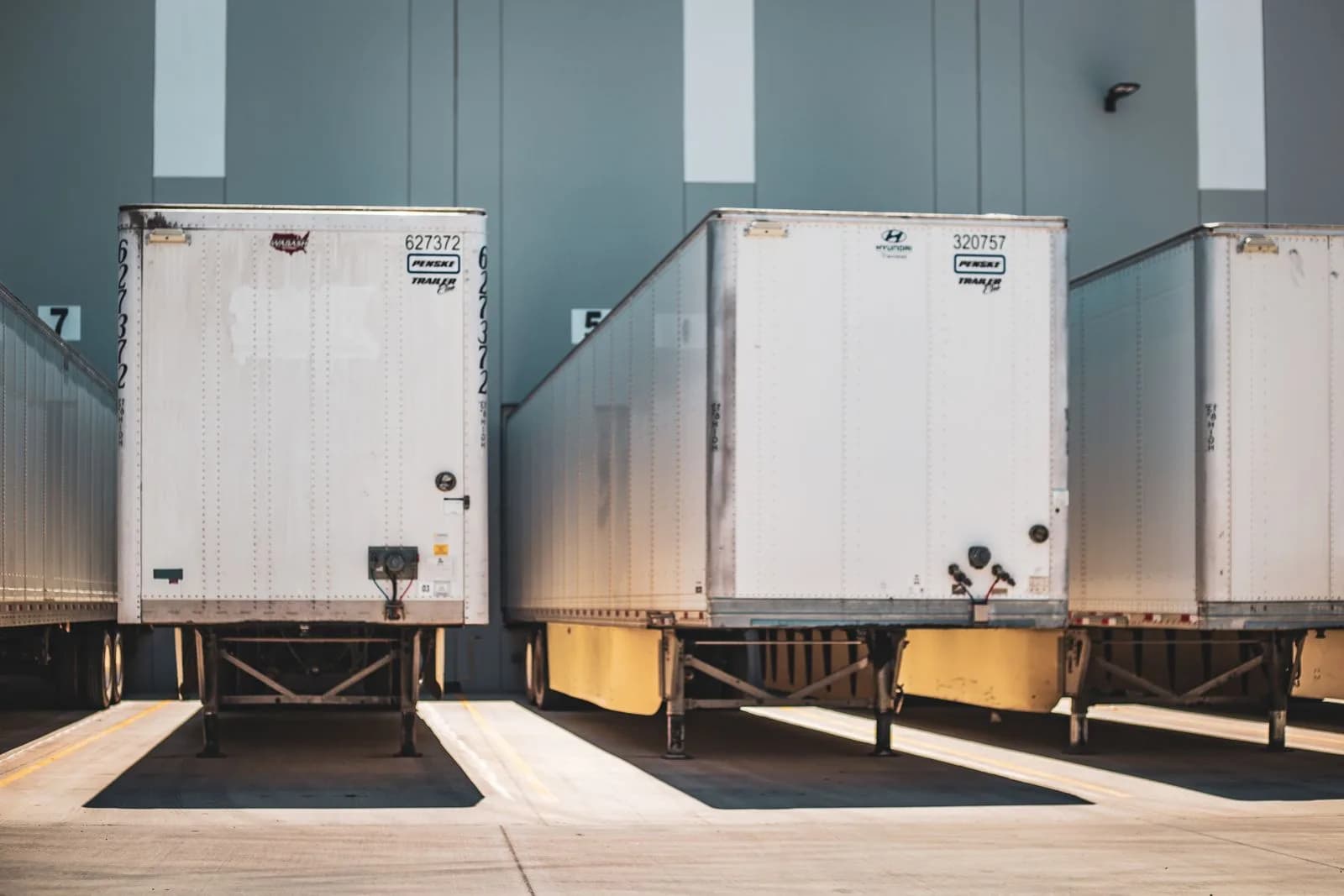
Detention time in trucking is the time a driver waits at a shipper or receiver after the contract's free time for loading or unloading runs out, and the carrier can bill it as detention pay, usually at an hourly rate per truck. Two hours of free time is common. While the driver waits, the hours-of-service clock runs, the next load slips, and the truck earns nothing unless someone bills the detention. Research from the American Transportation Research Institute (ATRI) found that fleets get paid on fewer than half of the detention invoices they send, often because the only record is the driver's word against the receiver's.
What Does Detention Cost a Fleet?
The direct cost is the truck's hourly operating cost while it sits, plus the driver's time. The indirect cost hurts more. Lost hours come out of the driver's daily limit, so a two-hour hold at a dock can become a missed delivery window and a night away from home, and a receiver that habitually holds trucks ends up shaping your whole schedule. Fleets that measure detention by customer routinely find that a handful of accounts cause most of it.
How Does GPS Prove Detention Time?
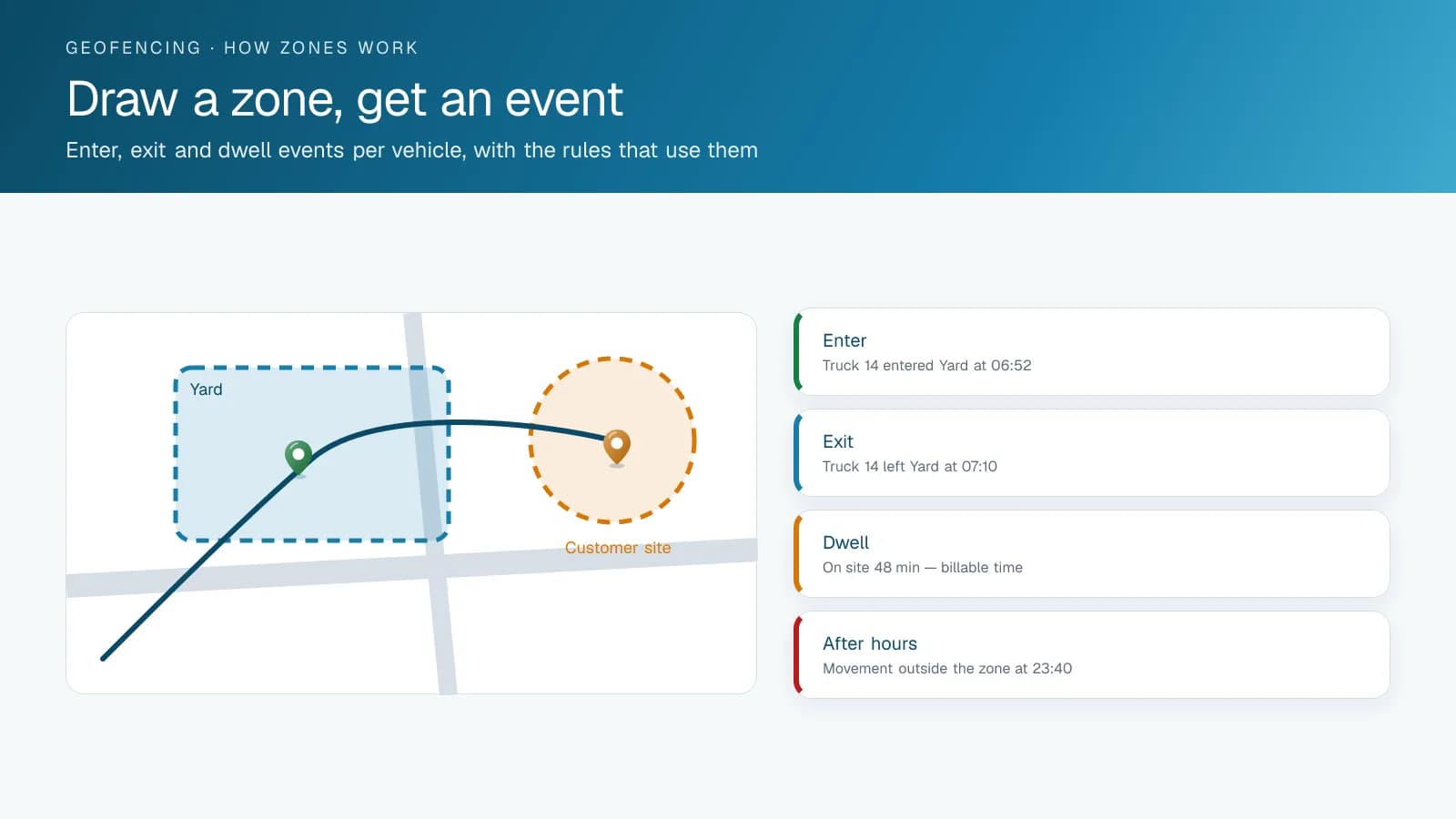
Draw a geofence around the customer's yard in the telematics platform and it records the minute the truck entered and the minute it left, with the vehicle stationary in between. Trip replay shows the same on a map, with timestamps. A typical record: arrival 8:02, departure 10:47, two hours free, 45 minutes of detention. The platform produces it automatically for every stop and driver, and a receiver's own dock log can't contradict it. A month of detention reports by customer is the basis for a conversation with the account, or for repricing it.
How Do You Bill Detention Pay With GPS Evidence?
Put the free time and the rate in the contract or the rate confirmation. Set up the geofences before the first load. Run the detention report weekly and attach the arrival and departure times to each invoice. Send chronic accounts to your sales team, not the driver. Fleets that keep this routine bill detention they used to let go, with a record the customer can check. High Point GPS configures customer geofences and detention reporting for carriers across Canada and the United States.
Writing a Detention Clause the Record Supports
A timestamped record only turns into money when the contract says what it triggers. A workable detention clause names four things, and the telematics data backs each one.
| Clause element | Typical term | Evidence from the platform |
|---|---|---|
| Free time | Two hours from arrival | Geofence entry time, to the minute |
| Arrival definition | Vehicle inside the customer's geofence | Zone entry event with position |
| Rate after free time | A set amount per hour or 15-minute block | Dwell time report per stop |
| Notice | Dispatcher notifies the customer at 90 minutes | Rule that alerts dispatch at the threshold |
| Proof on the invoice | Arrival, departure and elapsed time attached | Exported stop report or a Timeline Map screenshot |
Frequently asked questions
What is detention time in trucking?
Detention time is the time a driver waits at a shipper or receiver beyond the contract's free time, usually two hours. After that, the carrier can charge a detention fee, normally an hourly rate per truck set in the contract or the rate confirmation.
Why does detention go unbilled?
Detention goes unbilled because the carrier usually can't prove how long the truck waited. Without a timestamped record, the receiver disputes the charge and the carrier gives up. A geofence record of arrival and departure times settles that argument before it starts.
How does GPS prove detention?
A geofence around the customer's yard records when the truck arrived and when it left, and shows the vehicle stationary in between. The platform does this automatically at every stop, for every driver, so you can attach arrival, departure and elapsed time to the invoice.
What is a typical detention rate?
A detention rate is an hourly charge per truck that starts when the free time ends, set in the contract or the rate confirmation. No single standard figure applies, since rates vary by market and lane, so agree on the number with the customer before the first load moves.
How do I reduce detention?
Start by measuring detention by customer so you know which accounts cause it. Invoice every detention charge with the geofence evidence attached, and take the chronic accounts to your sales team, who can reprice the business or push the customer for scheduling changes.
Related solutions & products
Continue reading
- Dispatch & Routing overview →
- Trucking Telematics: What Long-Haul Fleets and Operators Should Track →
- GPS Fleet Tracking for Food and Beverage Distributors: Routes, Temperature and Delivery Windows →
- Dash Cams for Trucking Fleets: What's Different From a Personal Dash Cam →
- Telematics Fleet Management for Trucking: How GPS and Telematics Cut Costs on the Road →
- More in Dispatch & Routing →
Get a free quote
What are you looking for?