
GPS Fleet Tracking & Telematics
Telematics vs GPS Tracking: What's the Difference?
GPS tracking tells you where a vehicle is. Telematics tells you that plus what the vehicle is doing — engine, fuel, faults, driver behaviour — and sends it somewhere useful. One is a component of the other. Here is the distinction, why it matters when buying, and which one a given fleet actually needs.
Two Words, One Nested Inside the Other
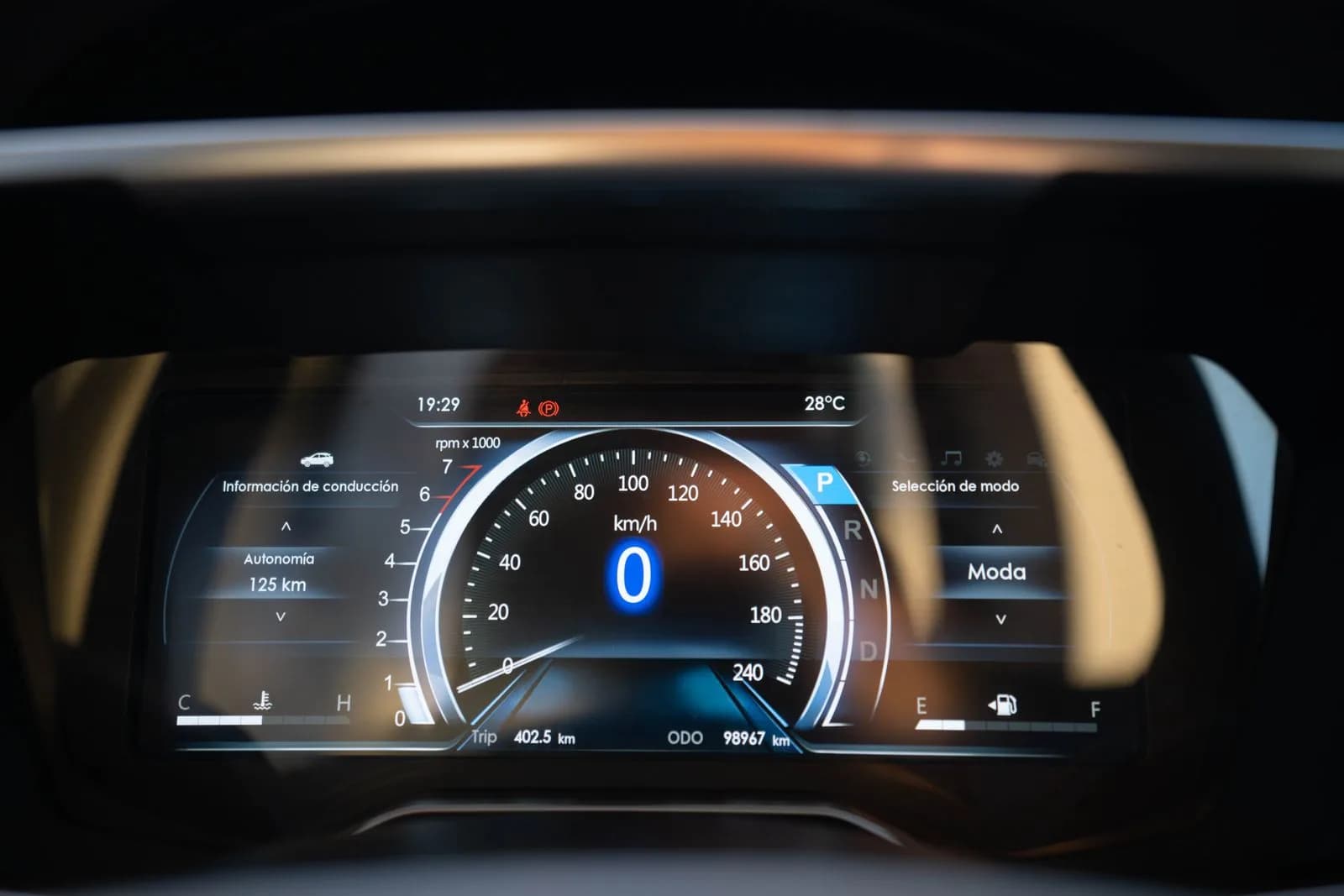
GPS tracking is position: a receiver in the vehicle works out where it is from satellite signals, and a radio sends that position to a server, so someone can see it on a map. That is the whole of it, and it is useful — it is the map, the trip history, the geofence and the speeding alert. Telematics is the broader discipline of collecting data from a vehicle and transmitting it: position, yes, but also what the vehicle's own systems report — engine on and off, RPM, odometer, fuel, fault codes, seat belt — and what an accelerometer senses about how it is being driven. GPS tracking is one input to telematics. Telematics is what a fleet does with all of the inputs.
The confusion comes from marketing, where 'GPS tracker' is the phrase people search for and so the phrase products are sold under, whether the device reads the engine or not.
What Each One Can Tell You
The practical difference is the questions each can answer.
| Question | GPS tracking | Telematics |
|---|---|---|
| Where is the vehicle, where has it been? | Yes | Yes |
| Is it speeding? | Yes | Yes |
| Is the engine running while it is parked? | No | Yes — idling |
| How many engine hours since the last service? | No | Yes |
| Has a fault code appeared? | No | Yes |
| How is it being driven — braking, cornering? | Roughly, from position | Yes, from the accelerometer |
| How much fuel is it using? | No | Yes, where the vehicle reports it |
| Can it run an ELD? | No | Yes, with the ruleset |
| Can it read a trailer's temperature or a PTO? | No | Yes, through add-ons |
Why the Distinction Matters When Buying
Because the two are priced and installed differently, and because a fleet that buys tracking when it needed telematics ends up installing twice. A pure GPS tracker can be a battery unit stuck to a trailer or a small device wired to power; it does not need the vehicle's diagnostic port. A telematics device plugs into that port precisely so it can read the engine, which is where maintenance, fuel, idling and ELD come from. If any of those is on the fleet's list — now or in a year — the purchase is telematics, and the plug-in install costs about the same as the tracker's.
When GPS Tracking Alone Is the Right Buy
Assets without an engine, or without a diagnostic port worth reading: trailers, containers, generators, attachments, rental equipment. For those, a battery-powered GPS tracker that reports position on a schedule is exactly right, and telematics has nothing extra to read. Fleets often run both: telematics in every powered vehicle, GPS trackers on the unpowered assets, on one map.
When You Need Telematics
Any fleet that wants maintenance driven by real engine hours and fault codes, fuel savings from idle data, driver coaching from actual driving behaviour, or an ELD. Which is most fleets of powered vehicles. The device that does this — a Geotab GO, for instance — is also a GPS tracker, so nothing is given up; a fleet that starts with the map and turns the rest on later has still bought the right thing.
Frequently asked questions
Is GPS tracking the same as telematics?
No. GPS tracking is position only. Telematics collects position plus engine data, fault codes, fuel and driver behaviour from the vehicle and transmits it. GPS tracking is one input to telematics.
Do I need telematics or just a GPS tracker?
If you want maintenance from engine hours, fuel from idle data, driver coaching or an ELD, you need telematics. If the asset has no engine — a trailer, a container — a GPS tracker is the right buy. Most fleets run both.
Does a telematics device also track location?
Yes. A telematics device such as a Geotab GO includes GPS; location is one of the things it reports alongside engine and behaviour data. Choosing telematics does not mean giving up tracking.
Why do vendors call telematics devices GPS trackers?
Because that is the phrase buyers search for. Check whether the device plugs into the vehicle's diagnostic port and reads engine data; if it does, it is telematics whatever the product name says.
Sources
Related solutions & products
Get a free quote
What are you looking for?