
GPS Fleet Tracking & Telematics
In-House Fleet Tracking vs. Full-Service Fleet Leasing: Which Fits Your Business?
Full-service leasing bundles the vehicle, maintenance and often telematics into one monthly payment. Running your own fleet with your own tracking keeps control, data and cost visibility in-house. Neither is wrong; they suit different businesses. Here is how to tell which is yours.
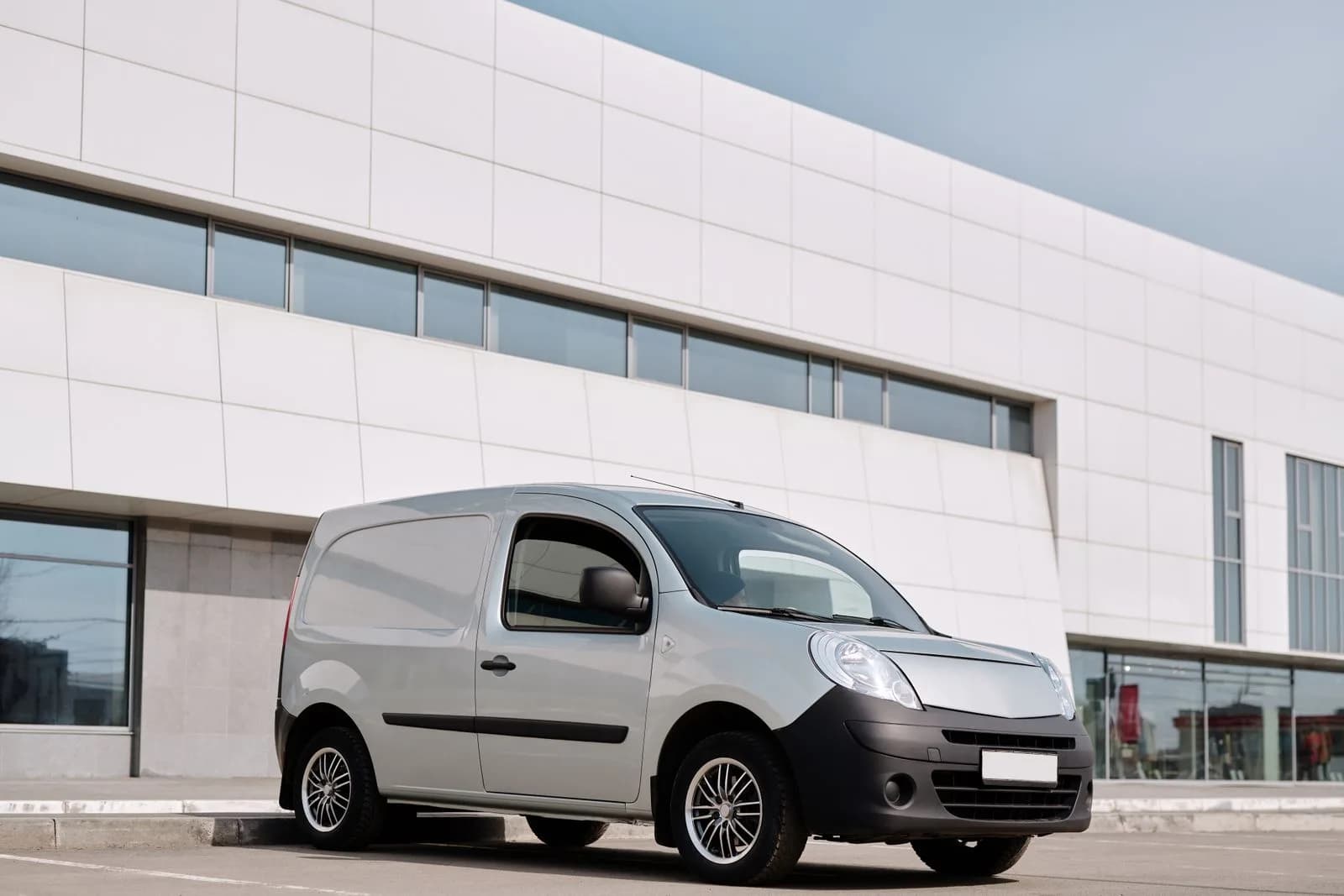
Two Ways to Run a Fleet
Full-service leasing means a lessor owns the vehicles and, for one monthly payment per vehicle, handles maintenance, replacement, sometimes fuel programs and licensing, and frequently supplies a telematics device and portal of its own. In-house means the business owns or finance-leases the vehicles, chooses its own maintenance arrangements, and puts its own telematics in — which it then owns the data from and can move between vehicles, vendors and years.
The choice is rarely made on telematics alone, but telematics is where the difference shows up daily, because it decides whose portal you log into and whose data it is.
What Full-Service Leasing Does Well
Predictability. One payment covers the vehicle and its upkeep, replacement is on a schedule, and a business with no fleet expertise gets a fleet run competently without hiring anyone. For a company whose vehicles are a means to an end — a services firm, a company with a few dozen pool cars — that is exactly the point, and the lessor's telematics is usually adequate for the location and maintenance view the lessor itself needs.
The cost of that predictability is that the fleet is run to the lessor's model. Maintenance goes where the lessor sends it; replacement happens when the lease says, not when the vehicle's data says; and the telematics data, portal and history belong to the arrangement, which can make it awkward to switch lessors and impossible to see the fleet the way the business's own dispatch or safety programs would want to.
What In-House Tracking Does Well
Control and continuity. The business chooses the platform, configures the rules, integrates it with its own dispatch, payroll or maintenance systems through the API, and keeps the history when it changes vehicles or providers. For a fleet where the vehicles are the business — trucking, delivery, field service, construction — that control is not a luxury: the utilization, safety and compliance programs that make money live in that data, and running them through a lessor's portal built for a different purpose is running them badly.
The cost is that someone has to own it. Choosing, installing, configuring and reviewing telematics is work, which is why the reseller matters: a reseller that installs, trains and supports removes most of that work while leaving the control with the business.
How to Decide
The questions that sort businesses into one model or the other.
| If… | Leans toward |
|---|---|
| Vehicles are incidental to what you sell, and nobody on staff wants to run a fleet | Full-service leasing |
| Vehicles are the business, and dispatch, safety or compliance programs depend on the data | In-house tracking |
| You want one predictable payment and scheduled replacement | Full-service leasing |
| You want to replace vehicles when their data says so, and to keep the history | In-house tracking |
| You need telematics feeding your own systems through an API | In-house tracking |
| You need ELD, DVIR and IFTA on the same device as tracking | In-house tracking, or check the lessor's device does all three |
| You are small and growing fast, and may change everything in two years | Either — but insist on owning your data |
A Middle Path
Plenty of fleets lease the vehicles and own the telematics: a finance lease or a full-service lease for the metal, with the business's own GO devices in every vehicle and its own MyGeotab. That keeps the payment predictability where it helps and the data control where it matters, and it means the tracking survives the lease. If a lessor objects to a second device in its vehicles, that objection is itself information about whose data the lessor thinks it is.
Frequently asked questions
Does full-service fleet leasing include telematics?
Often, as the lessor's own device and portal, chosen for the lessor's maintenance and location needs. It may not run your ELD, integrate with your systems, or let you keep the data if you switch lessors — ask before assuming.
Can I put my own tracking in leased vehicles?
Usually, with a plug-in device that does not modify the vehicle; many fleets lease the vehicles and own the telematics. Check the lease terms, and treat a refusal as a signal about who controls the data.
Which is cheaper, leasing or in-house?
It depends on utilization, vehicle type and how well the fleet is run. Leasing buys predictability at a margin; in-house can cost less when the fleet is run on its own data, and more when nobody runs it. Compare total cost per vehicle per month, including the programs each model enables.
Who owns the telematics data under a lease?
Read the contract. Under many full-service leases the lessor's device produces data the lessor holds; with your own devices in the vehicles, the data and history are yours and move with you.
Related solutions & products
Related terms
Get a free quote
What are you looking for?