
Compliance
CVSA Roadcheck 2026: Dates, Focus Areas and How to Prepare
CVSA Roadcheck 2026 targeted ELD tampering and cargo securement. See what inspectors checked at the roadside and how to prepare for the next Roadcheck.
What Is CVSA International Roadcheck?
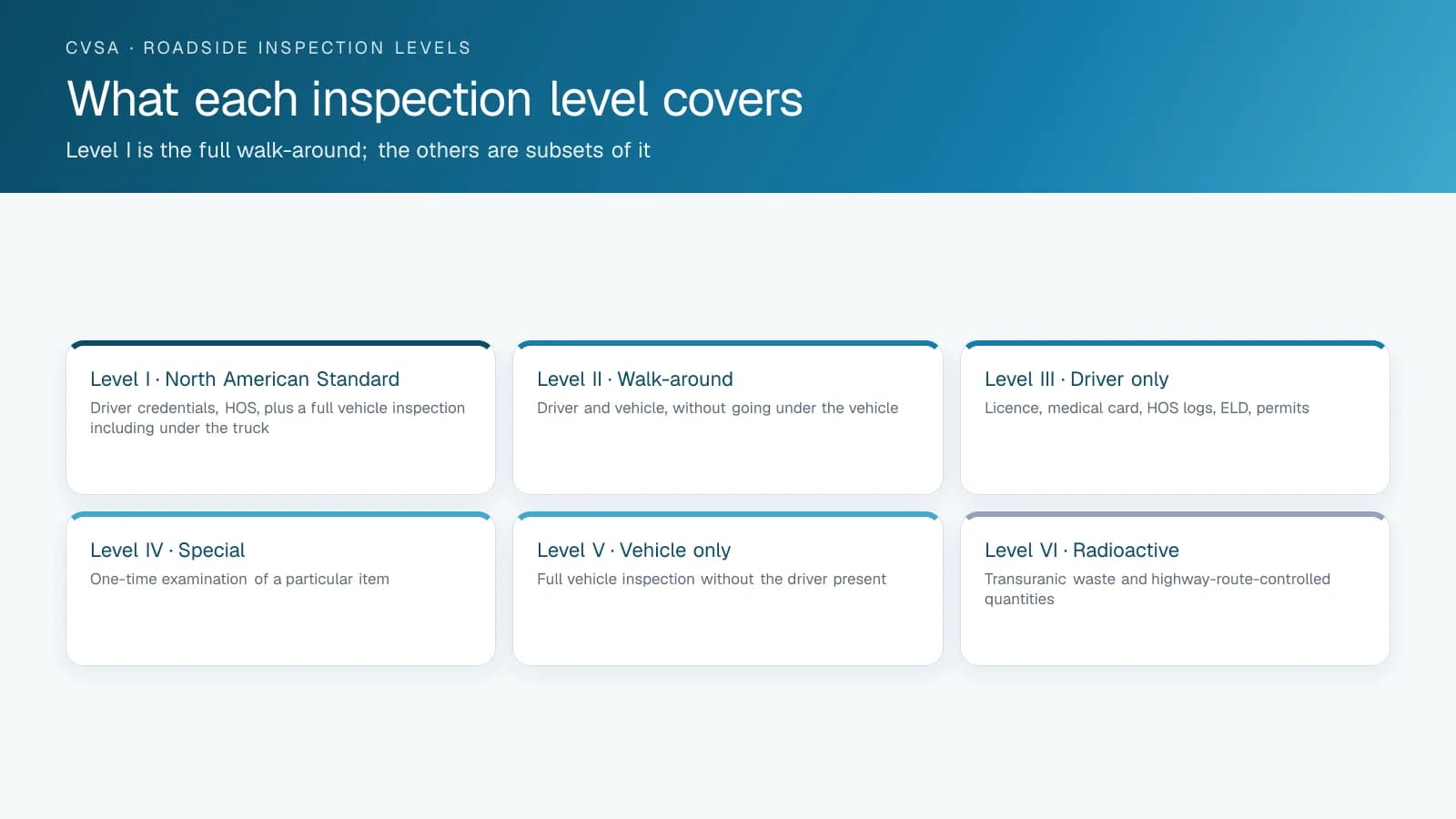
CVSA International Roadcheck is a 72-hour enforcement blitz run by the Commercial Vehicle Safety Alliance. This year's event, CVSA Roadcheck 2026, ran May 12 through 14 and targeted ELD tampering and cargo securement. During the event, inspectors at weigh stations, fixed inspection sites and pop-up locations across North America run a concentrated volume of commercial vehicle inspections. Most Roadcheck inspections are the North American Standard Level I Inspection, a 37-step procedure that covers both the driver and the vehicle.
Each year, CVSA picks one driver-side and one vehicle-side focus area for extra attention on top of the standard inspection. Inspectors still check everything else. The two focus categories get closer scrutiny, and they often produce that year's most notable enforcement numbers.
What Did CVSA Roadcheck 2026 Focus On?
On the driver side, the 2026 focus was electronic logging device tampering, falsification or manipulation. At the roadside, inspectors went through each driver's record of duty status looking for false or manipulated entries, the kind drivers use to hide hours-of-service violations or to log driving time as something else, such as personal conveyance.
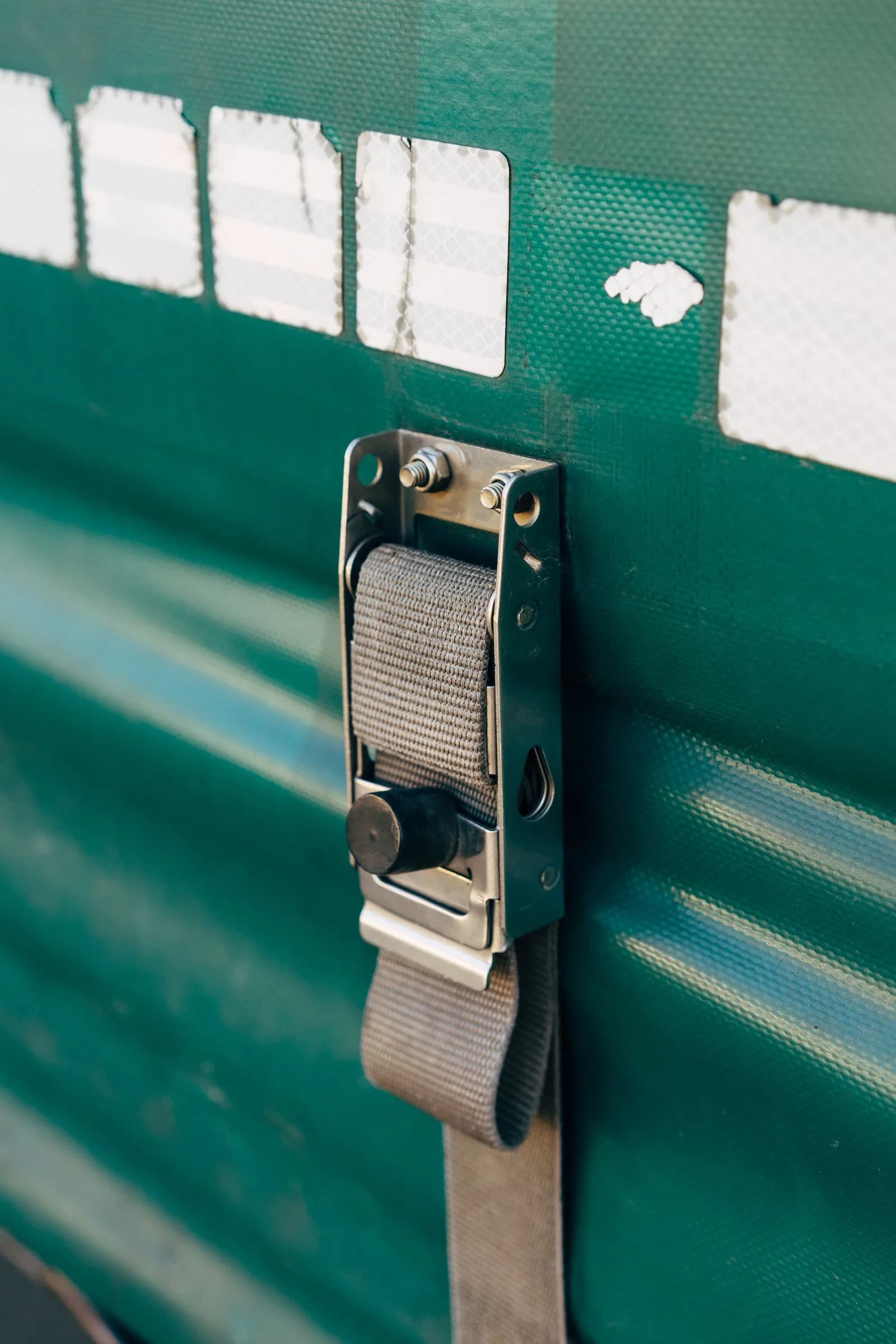
On the vehicle side, the focus was cargo securement. Inspectors checked whether tie-downs, straps, chains and other securement devices meet the requirements for the specific load on the trailer. Cargo securement violations are a recurring, significant cause of vehicle out-of-service orders across the industry, because a load that isn't properly secured is a direct hazard on the road as well as a paperwork problem.
Why Does ELD Tampering Draw Extra Scrutiny?
Inspectors look for more than a driver who unplugged a device. They are trained to spot patterns that point to manipulation: RODS entries that don't line up with GPS or engine data, personal conveyance used to cover what was on-duty driving time, or a device that reports in a way that doesn't match how the vehicle was operating.
Your fleet's own telematics data is a real defence in this category, and it does more than tick a compliance box. A GPS-verified trip record that matches the hours the ELD reports removes the ambiguity inspectors are trained to probe, since the vehicle-side data either confirms the driver's log or contradicts it.
How Should You Prepare for the Next Roadcheck?
The event repeats every year and CVSA typically announces the coming year's focus areas in advance, so the prep work stays the same each cycle. Audit RODS entries against GPS and engine data before an inspector does it for you. Have drivers walk through a cargo securement check built for whatever they're hauling, since a generic checklist won't account for the load on their trailer.
Fleets that treat Roadcheck prep as a once-a-year fire drill tend to find the same gaps each time. Build the RODS-versus-telematics cross-check and the securement review into the normal pre-trip routine all year, and those gaps close.
A Pre-Roadcheck Checklist
Run these checks in the two weeks before the blitz. Each also makes a good monthly habit.
| Check | How | Fixes |
|---|---|---|
| RODS against GPS and engine data | Compare duty-status changes with trip start and stop times for a sample of drivers | Unassigned driving, personal conveyance misuse, late status changes |
| ELD documents in every cab | Manual, transfer sheet, malfunction sheet, paper logs; or the driver app | The most common ELD violation, and the easiest |
| Driver and vehicle profiles | Run a settings validation on the database | Licence, VIN and terminal errors that become data-quality violations |
| Cargo securement | Driver walk-around specific to the load type, photographed | Tie-down count, working load limit, edge protection |
| Open DVIR defects | Report of defects not certified repaired | Out-of-service defects on brakes, lights and tires |
| Fault codes active | Report by vehicle | Trucks that should be in the shop, not at the scale |
| Credentials current | Cab card, IFTA decals, HUT and permits, inspection decal | Expired paperwork that stops the truck regardless of condition |
Frequently asked questions
When was Roadcheck 2026?
CVSA International Roadcheck ran May 12 through 14, 2026, a 72-hour enforcement blitz run by the Commercial Vehicle Safety Alliance across North America. Inspectors ran a high volume of commercial vehicle inspections over those days, with extra attention on two focus areas: ELD tampering and cargo securement.
What were the focus areas for Roadcheck 2026?
The driver-side focus was ELD tampering, falsification or manipulation, and the vehicle-side focus was cargo securement. Inspectors reviewed records of duty status for false or manipulated entries, and checked whether tie-downs, straps and chains met the requirements for the load. They still ran the standard inspection on everything else.
What inspection type is used during Roadcheck?
Most Roadcheck inspections are the North American Standard Level I Inspection, a 37-step procedure that covers both the driver and the vehicle. Inspectors also give closer scrutiny to the driver-side and vehicle-side focus areas that CVSA picks for that year's event.
How does GPS tracking data help with ELD tampering enforcement specifically?
Inspectors look for RODS entries that don't match what the vehicle was doing. A GPS-verified trip record that lines up with the hours the ELD reports removes the ambiguity that kind of enforcement is trained to probe, because the vehicle-side data either confirms the driver's log or contradicts it.
Related solutions & products
Related terms
Continue reading
Get a free quote
- Over 500 fleets
- Since 2013
- 4.9 on Google (19 reviews)
What are you looking for?
Prefer to talk?Call 1-800-613-6323[email protected]