
Industry
GPS Fleet Tracking for Waste & Recycling
Verify route completion, keep heavy trucks compliant with DVIR, and reduce the backing and blind-spot incidents that drive claims.
Updated August 31, 2026
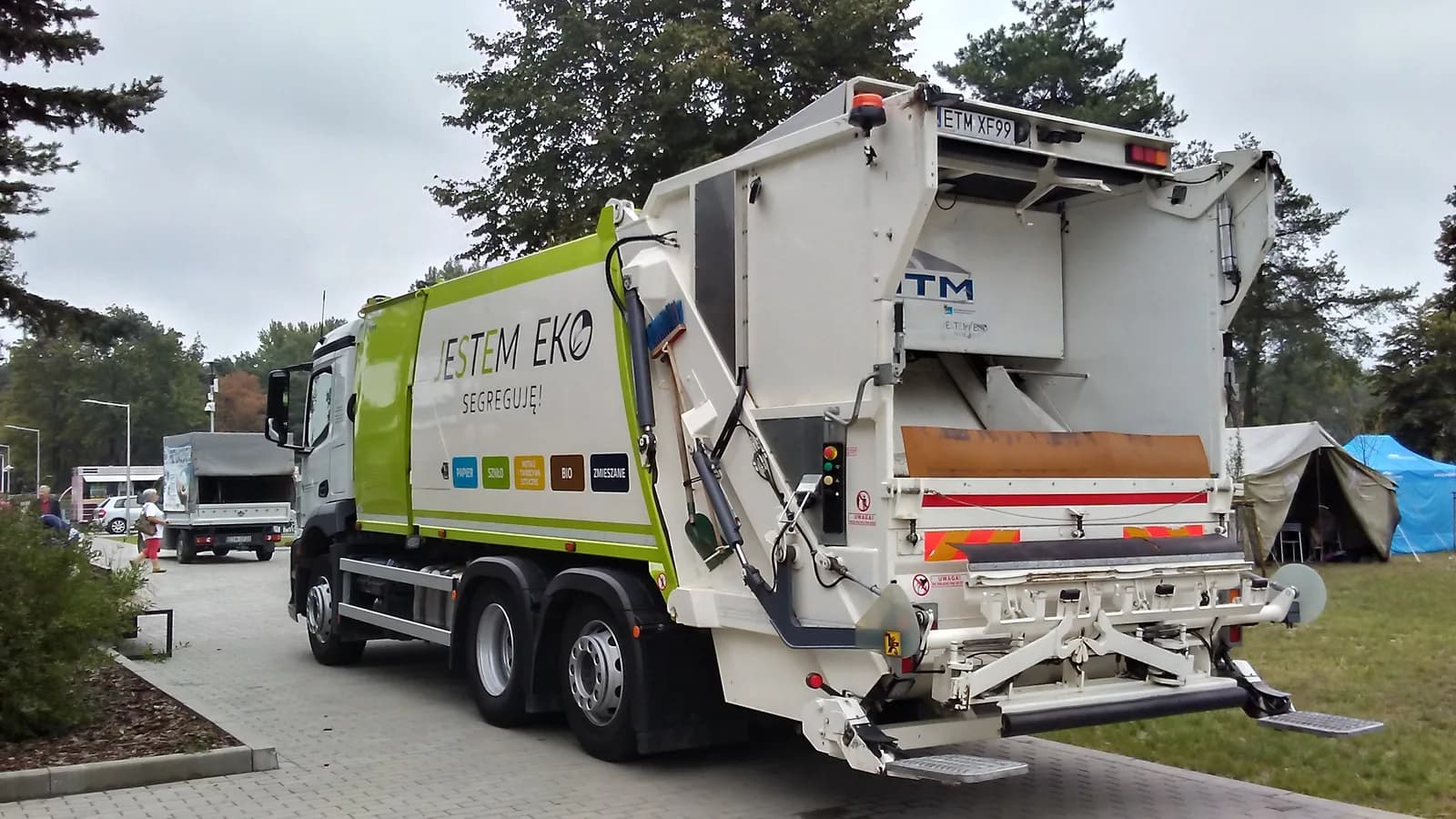
Waste and recycling fleets run heavy trucks along fixed collection routes where the operational question is less 'where is the truck' and more 'did every stop on the route actually get serviced.' GPS and trip data verify route completion and settle missed-pickup complaints with a record instead of a driver's recollection. These are heavy commercial vehicles, so DVIR inspections and engine-hour maintenance carry real regulatory and safety weight, and because collection work involves constant backing and stopping in tight residential and industrial spaces, camera coverage targets the blind-spot and backing incidents that are a documented hazard in collection work.
Common challenges
- Missed-pickup complaints with no record of whether a stop was actually serviced
- No objective verification that a fixed collection route ran to completion
- Heavy trucks with DVIR inspection obligations tracked on paper forms that get lost
- Backing and blind-spot incidents in tight residential and industrial spaces
- Maintenance scheduled on the calendar instead of actual engine hours on hard-working trucks
- High fuel and idling cost on stop-heavy routes with constant PTO use
How High Point GPS helps
- Trip and stop data to verify route completion and settle missed-pickup disputes
- Electronic DVIR for pre- and post-trip inspections on heavy collection trucks
- Back-up and multi-camera coverage to reduce backing and blind-spot incidents
- Engine-hour and diagnostic-based maintenance alerts, not a fixed calendar
- Idling and route data to cut fuel waste on stop-and-go collection routes
- Audit-ready inspection and maintenance records instead of paper in the cab
Route Completion Is the Real Question
For most fleets the core tracking question is location. For waste and recycling it's completion: a collection route is a fixed list of stops that either all got serviced or didn't, and a single missed bin generates a customer complaint that a dispatcher then has to run down. Without a record, that comes down to the driver saying they serviced it and the customer saying they didn't, with no way to settle it.
Trip and stop data closes that gap. The record shows whether the truck actually stopped at an address and when, which resolves a missed-pickup complaint factually and, just as usefully, confirms when a bin genuinely wasn't set out. Over a full route it's the difference between supervising completion from data and reconstructing it from a driver's end-of-day recollection.
Heavy Trucks Mean Real Compliance and Maintenance Weight
Collection vehicles are heavy commercial trucks, so inspection rules apply: where FMCSA rules cover the truck, the driver files a written inspection report at the end of each day's work, and in Canada the National Safety Code trip inspection is due every 24 hours. Doing those electronically means a flagged defect on a truck that runs hard every day routes to whoever manages the shop immediately, with a timestamp, instead of sitting on a paper form in the cab until someone finds it. That auditable repair trail is exactly what a safety review looks for.
Maintenance follows the same logic. A garbage truck that idles and runs its hydraulics and packer through hundreds of stops a day is wearing out on engine hours, not odometer miles, and a calendar-based schedule consistently misjudges that. Engine-hour and diagnostic-based alerts trigger off what the truck is actually doing, which is what keeps a hard-working collection vehicle from going down mid-route.
Where the Safety Incidents Actually Happen
The signature risk in waste collection isn't highway speed, it's backing. Collection trucks spend the day reversing and manoeuvring in tight residential streets and cramped industrial yards, often with workers on foot nearby, and NIOSH has documented refuse-collection worker deaths that occurred while the truck was backing up. That's a blind-spot problem that a single forward-facing view does nothing for.
Multi-camera coverage, including rear and side views, puts eyes on exactly those blind spots, and pairing video with the telematics record means a backing or contact incident is captured with verified speed and location rather than reconstructed after the fact. On vehicles this large operating this close to people and property, that coverage targets the specific incidents that put people and property at risk.
Frequently asked questions
Can GPS tracking verify that a collection route was completed?
Yes. Trip and stop data show whether a truck actually stopped at each address on a route and when, which lets a supervisor confirm route completion and settle missed-pickup complaints with a record instead of relying on the driver's recollection.
Does DVIR compliance apply to garbage and recycling trucks?
Collection vehicles are typically heavy commercial trucks, so inspection rules generally apply: an end-of-day DVIR where FMCSA rules cover the truck, and a daily trip inspection in Canada. Doing them electronically flags defects, routes them to the shop, and creates a timestamped repair trail instead of a paper form that can get lost. Confirm your specific fleet's obligations against current FMCSA or provincial guidance.
How does camera coverage help with backing incidents?
Collection trucks do a lot of reversing in tight spaces, and NIOSH has documented refuse-collection worker deaths that occurred while the truck was backing up. Rear and side cameras cover those blind spots, and pairing the footage with verified speed and location data means a backing incident is captured rather than reconstructed after the fact.
Should maintenance on collection trucks be scheduled by engine hours?
Generally yes. A garbage truck that idles and runs its hydraulics through hundreds of stops a day wears on engine hours more than on mileage, so engine-hour and diagnostic-based alerts catch issues a fixed calendar or mileage schedule tends to miss.
Related solutions
Related guides
- GPS Fleet Tracking for Waste and Recycling Fleets: Proof of Service, Routes and Hydraulics →
- Municipal Fleet Tracking: A Buyer's Guide for Cities, Counties and Public Works →
- Route Optimization for Waste Management: Rebuilding Collection Routes With Data →
- Public Tracking Portal: A Live Vehicle Map for Customers and Residents, No Login →
- PTO Tracker: The PTO On/Off Reader for Tow Billing and Hydraulic Maintenance →
Get a free quote
- Over 500 fleets
- Since 2013
- 4.9 on Google (19 reviews)
What are you looking for?
Prefer to talk?Call 1-800-613-6323[email protected]