
Industries
Municipal Fleet Tracking: A Buyer's Guide for Cities, Counties and Public Works
A municipality buying fleet tracking is buying for snowplows, refuse trucks, inspectors' cars and a fire department that wants nothing to do with it, under procurement rules and a union agreement. Here's what to put in the specification, what to ask about data ownership and privacy, how cooperative purchasing shortens the process, and what residents should be able to see.
One Platform, Many Departments
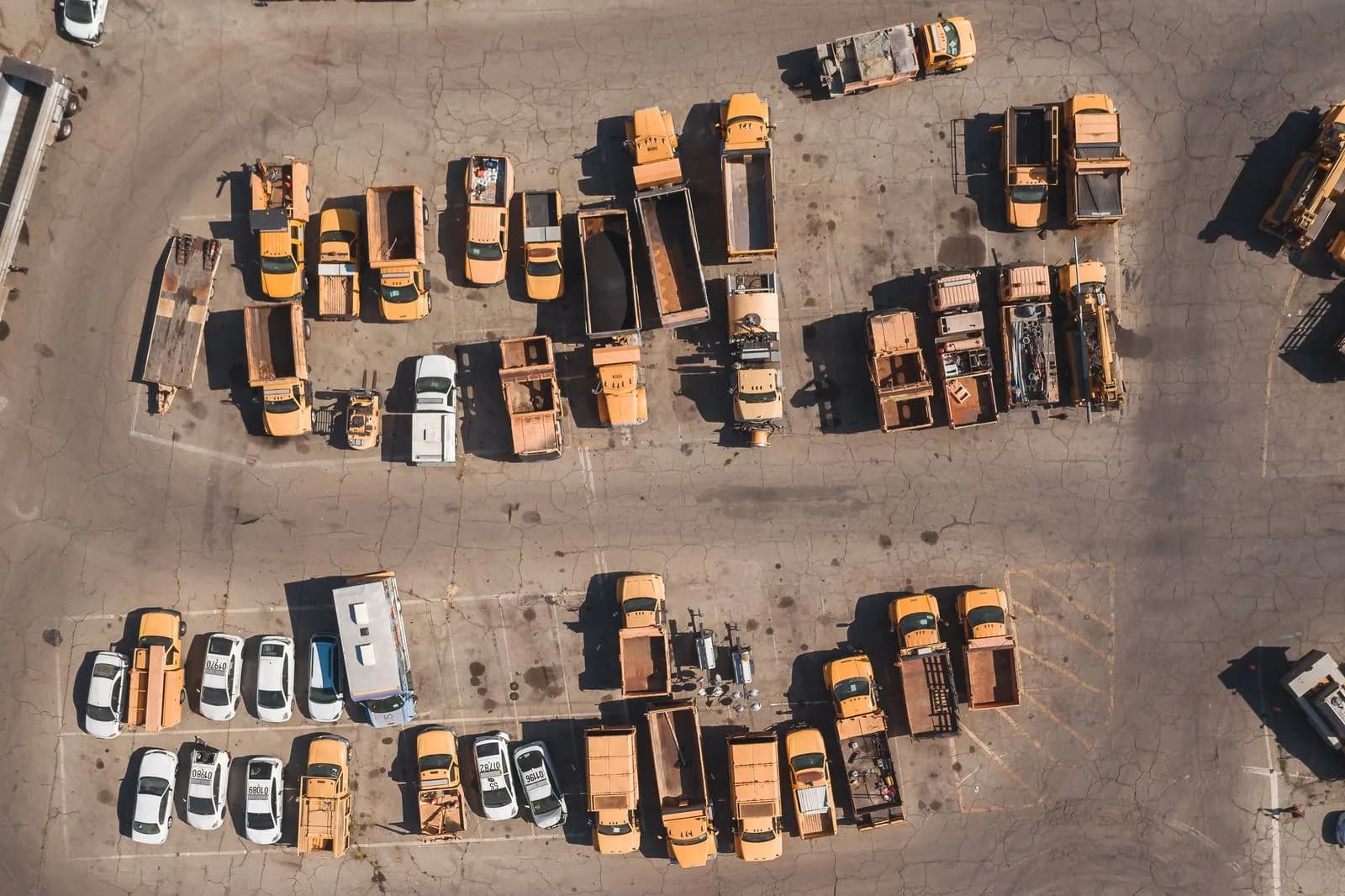
A municipal fleet is really several fleets: public works with plows, sweepers and dump trucks; solid waste; parks with mowers and pickups; building inspection and by-law with sedans; transit; and sometimes police and fire. They have different needs and different sensitivities, and the first specification decision is a single platform with departmental groups and permissions rather than a system per department. Groups let public works see its trucks and not the by-law cars; permissions let the fleet manager see everything, the finance department see the reports and nobody else see the police vehicles at all.
What to Put in the Specification
Beyond location, the municipal-specific requirements are: plow and spreader sensors for winter operations, with a material-usage record per route; PTO and hydraulic monitoring for refuse and vacuum trucks; engine-hour maintenance for equipment that barely moves; Bluetooth asset tags for attachments and small equipment; a public-facing portal for winter operations; an API for the work-order and asset-management systems the municipality already runs; and Canadian data residency where policy requires it. Specify outcomes — 'the system shall record when the plow blade is down' — rather than a brand's feature name, so the evaluation compares vendors on the same test.
Ask each vendor to demonstrate the winter-operations report and the API with the municipality's own work-order system, not a slide about them.
Data, Privacy and the Union
The municipality should own its data outright, with export in a documented format at any time and on termination, and the contract should say so. Privacy questions arrive from two directions: the public, whose access-to-information requests can reach vehicle data, and employees, whose union will ask how the data is used in discipline. The workable answer is a written policy, negotiated before deployment, that names the operational purposes — routing, maintenance, safety, service verification — and the process before any record is used in a personnel matter. Deployments that skip this step spend the first year in grievance meetings.
Buying It and Showing It
Most municipalities can buy telematics through a cooperative purchasing contract already competed on their behalf, which replaces a full RFP with a purchase order against an established price list and shortens the process by months. Where an RFP is required, the specification above is the core of it. Once deployed, a public plow-tracking portal is the feature residents notice: a map showing which streets have been cleared and when, which cuts winter call volume and answers the council question before it is asked. High Point GPS deploys Geotab for municipalities in Quebec, Ontario and the northeastern US, with public portals, custom add-ins and work-order integrations built for each.
Frequently asked questions
What should a municipal fleet tracking RFP include?
Departmental groups and permissions, plow and spreader sensors, PTO monitoring, engine-hour maintenance, asset tags, a public winter-operations portal, an API to existing work-order systems, data ownership and residency, and a live demonstration of each.
Can a municipality buy fleet tracking without an RFP?
Often, through a cooperative purchasing contract already competed on the municipality's behalf. Check the procurement office's approved cooperatives.
Who owns the tracking data?
The municipality should, by contract, with the right to export it in a documented format at any time and on termination.
How do we handle employee privacy and the union?
With a written policy negotiated before deployment that names the operational purposes and the process before any record is used in discipline.
Can residents see where the plows are?
Yes. A public tracking portal shows which streets have been cleared and when, and reduces winter call volume.
Related solutions & products
Get a free quote
What are you looking for?