
Industries
GPS Fleet Tracking for Plumbing, HVAC and Electrical Contractors
A trade contractor's vans are the business's most expensive tools and the least supervised. Here's what fleet tracking does for a plumbing, HVAC or electrical company — nearest-tech dispatch, honest time on the job, tool tracking, after-hours use, and the ETA that stops the customer calling the office.
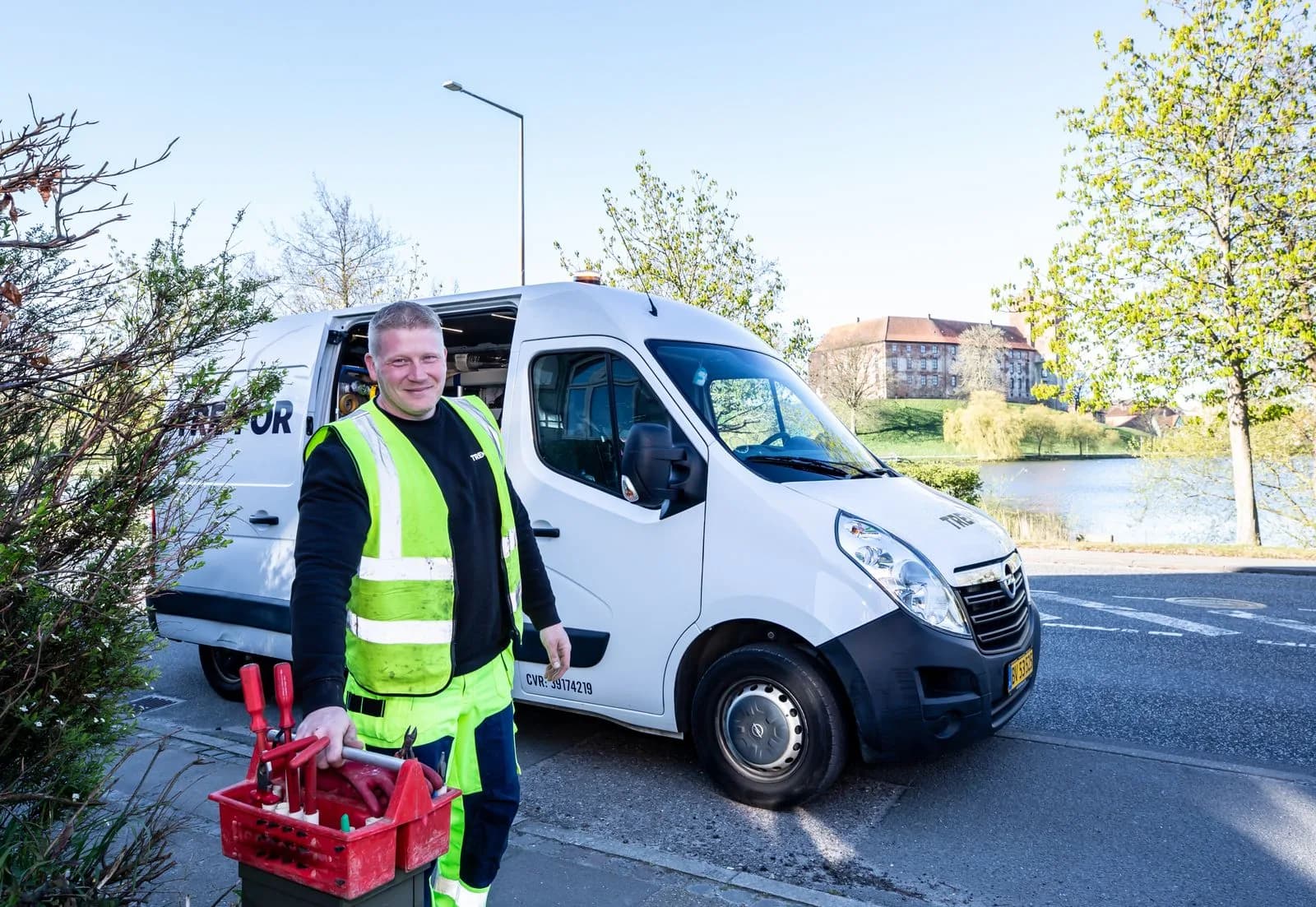
Who Is Closest to the Emergency Call
A no-heat call in January or a burst pipe on a Sunday is won by whoever gets there first, and a dispatcher with a live map answers that in seconds: the nearest van with a technician qualified for the job, its current status, and a realistic ETA the customer can be told. Without the map the dispatcher calls three techs to ask where they are, and the customer has called the next company. Trade contractors that describe tracking as a dispatch tool rather than a monitoring tool are the ones that see the revenue side of it.
Time on the Job, Measured
Service work is billed by the hour or by a flat rate that assumes hours, and both depend on knowing how long a technician was actually on site. A geofence at each job records arrival and departure; the timesheet fills itself in; the invoice matches the truck. Where it does not match, the discrepancy is visible — a tech who logged three hours at a job the van left after ninety minutes — and it gets handled once, not argued about every payday. The same data shows the hidden cost of the business: drive time between jobs, which is where a routing change or a second warehouse pays off.
Tools and Parts That Stay With the Van
An HVAC van carries a recovery machine, a vacuum pump, a combustion analyzer and a set of gauges worth more than a used car, and an electrician's van carries a comparable kit. Bluetooth tags on the expensive pieces report through the van's GO device, so the platform knows which van each tool is in and flags one that was left at a site. Tool losses stop being a monthly write-off and start being an alert while the van is still ten minutes away.
The Van After Five
Take-home vans are standard in the trades and a real cost: side jobs, weekend trips and personal errands on company fuel, plus the liability for all of it. Tracking makes the policy enforceable without accusation. After-hours movement rules flag use outside the schedule; trip reports separate the drive home from the detour; idle and fuel reports show the van running for lunch in August. Most contractors find the behaviour changes within a month of the first report, and fuel costs drop with it.
High Point GPS installs GO devices and asset tags for trade contractors across Quebec, Ontario and the northeastern US, and connects the tracking data to dispatch and field-service software through the API.
Frequently asked questions
How does GPS tracking help an HVAC or plumbing company?
Nearest-technician dispatch for emergency calls, measured time on each job for billing and payroll, tool tracking with Bluetooth tags, and enforceable policies on after-hours van use.
Can I see how long a technician was on a job?
Yes. A geofence at each job site records arrival and departure, and the platform reports time on site per job and per technician.
Can tracking integrate with my field-service software?
Yes. Through the platform's API, live location and job timestamps flow into dispatch and field-service systems.
Can I track tools in the vans?
Yes. Bluetooth asset tags on expensive tools report through the van's GO device and flag one left behind at a site.
Will technicians object to tracking?
Some will at first. A clear policy, tracking that also protects them in customer disputes, and a focus on dispatch rather than surveillance usually settles it within a month.
Related solutions & products
Continue reading
Get a free quote
What are you looking for?