
Industries
Do School Buses Have GPS? How School Bus Tracking Works for Districts and Parents
Most school buses in Canada and the US now carry GPS, but what a parent can see depends on what the district or contractor has turned on. Here's how school bus tracking works — the device on the bus, the route-progress view for dispatch, parent apps, student ridership and stop-arm cameras — and what it takes to set it up.
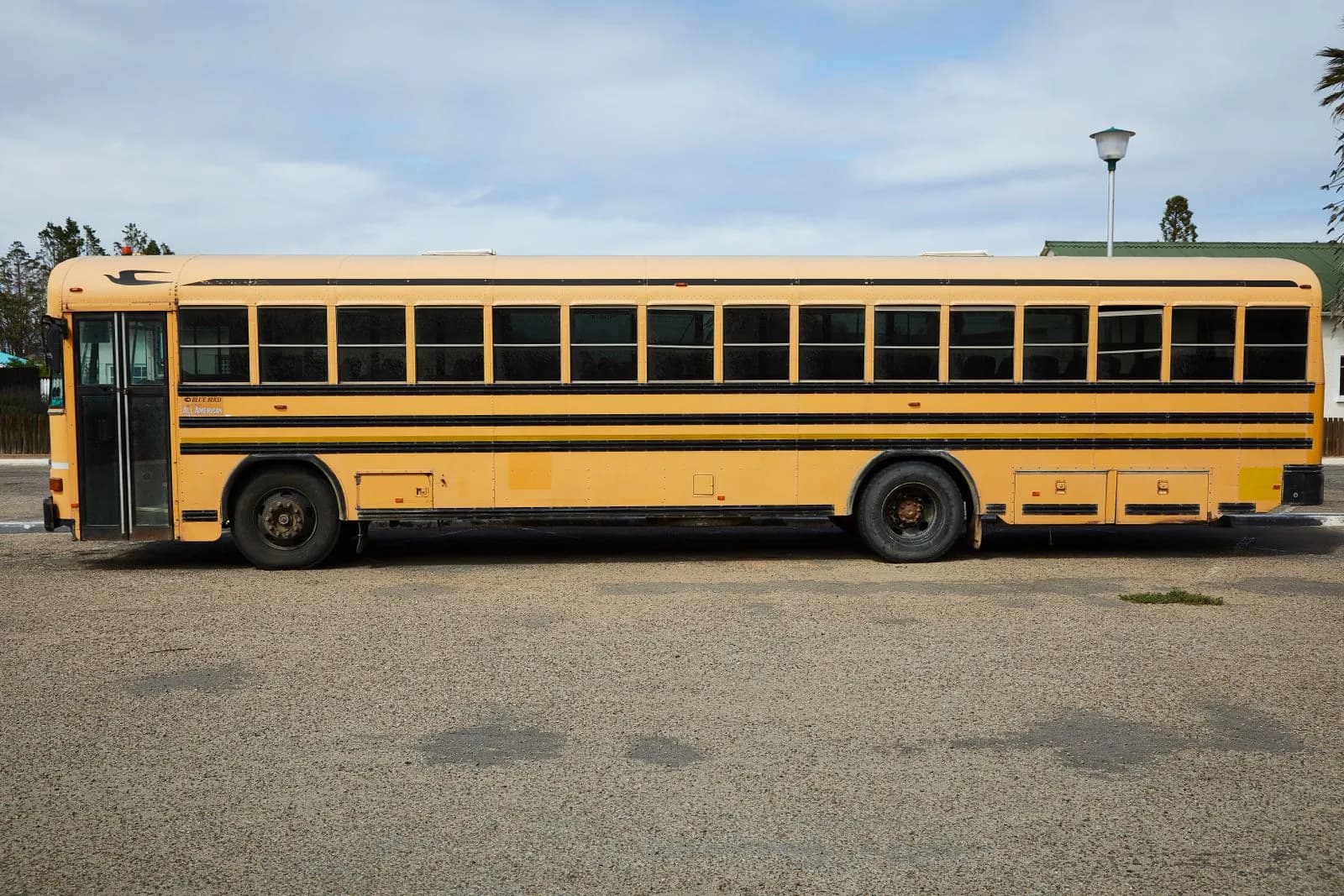
Yes, Most of Them Do
School buses are among the most widely tracked commercial vehicles in North America. School boards, transportation consortia and the contractors that run buses for them install telematics devices for the same reasons any fleet does — routing, maintenance, driver behaviour, fuel — and for reasons specific to buses: knowing which bus is late on a snowy morning, proving where a bus was when a parent calls, and putting a student on the right bus. In Ontario, Quebec and most US states the majority of buses carry a device; whether a parent can see anything is a separate question about what the operator has deployed on top of it.
What the Device Does
A GO device installed on the bus reports position, speed, engine data and driver behaviour continuously. For the dispatcher that becomes a live map of every bus on its route; an add-in such as Bus Route Progress turns it into a one-glance view of which buses are on route, which are running late and which are parked. Geofences at the school and at each stop give arrival and departure times; the platform's rules flag speeding in a school zone, hard braking with children aboard, or a bus that idles at the school beyond the board's limit. Maintenance runs on engine hours and fault codes, which matters for a fleet whose vehicles must pass an inspection to carry passengers.
What Parents Can See
A parent-facing app or portal draws on the same data: the bus's position on its route, an estimate of when it reaches the child's stop, and a notification when it is a few minutes out or when the route is running late. Operators enable it through a Marketplace app or a custom add-in built for the board, with access limited to a parent's own child's route. Student ridership goes a step further: a card or fob such as DIDCOM Passenger ID records each student boarding and leaving, with the location, so the board can answer 'did my child get on the bus' and 'where did they get off' with a record rather than a driver's memory.
Cameras and the Stop Arm
Driver- and road-facing AI dash cams record the drive and coach the driver on following distance and distraction. A camera on the stop arm records vehicles that pass a stopped bus, which several provinces and states allow boards to use for enforcement. Interior cameras document incidents on board. All of it connects through the same device and the same platform, and the operator sets who can see what.
High Point GPS installs and configures bus telematics for boards and contractors in Quebec, Ontario and the northeastern US, including parent-facing and ridership add-ins built for the operator.
Frequently asked questions
Do school buses have GPS?
Most do. School boards and bus contractors install telematics devices for routing, safety and maintenance, and the same device can feed a parent app if the operator enables one.
Can parents track the school bus?
Only if the board or contractor has deployed a parent-facing app or portal on top of its tracking system. Ask the transportation office; the data usually exists even when no app has been turned on.
How does a bus tracking app know when the bus is near my stop?
Geofences around each stop and the bus's live position let the platform estimate arrival and send a notification when the bus is a few minutes away.
Can the system tell which students are on the bus?
With a ridership add-on such as a student card or fob reader, yes. Each boarding and departure is recorded with the location.
Are school bus cameras allowed?
Interior, driver-facing and stop-arm cameras are widely used, subject to provincial or state privacy and enforcement rules. The operator controls access to the footage.
Sources
Related solutions & products
Related terms
Get a free quote
What are you looking for?